The short version
- Regulators in Georgia approved a deal allowing Google to pay for upgrades to nuclear reactors at Plant Hatch and Plant Vogtle, adding significant carbon-free capacity.
- Similar partnerships are emerging with Constellation Energy in the Mid-Atlantic and Midwest, as tech companies seek reliable power sources that do not rely on fossil fuels.
- Industry experts suggest these financial arrangements offer a faster alternative to building new gas plants or waiting decades for new nuclear facilities to come online.
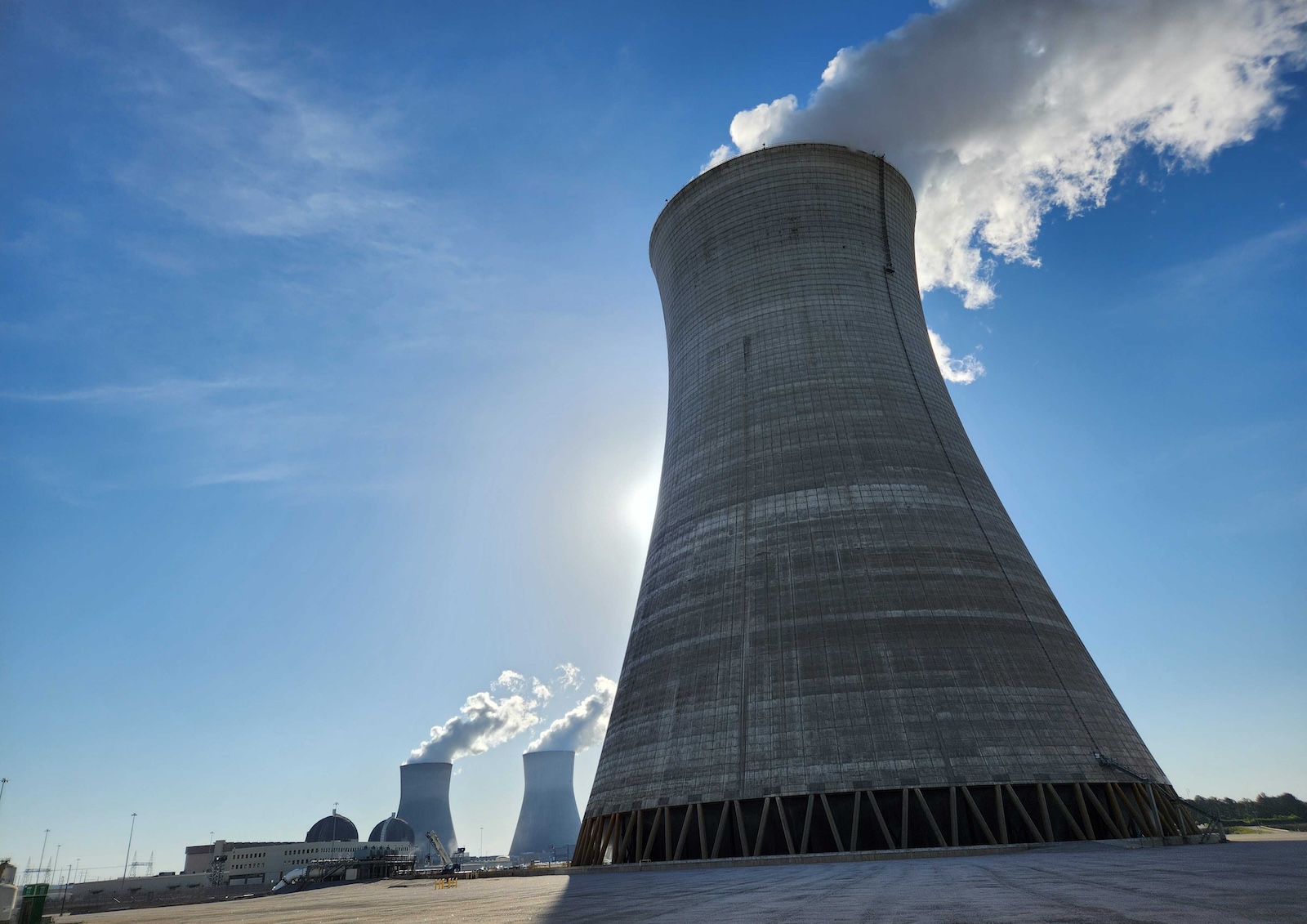
The Georgia Public Service Commission has approved a significant new agreement between the state’s primary utility, Georgia Power, and technology giant Google. The deal centers on financial contributions from Google toward the modernization of older nuclear reactors at two major facilities: Plant Vogtle and Plant Hatch. While regulators had previously authorized upgrades for the Vogtle site last year, the specific funding mechanisms remained unresolved until now. This latest vote finalizes the payment structure and extends the upgrade program to include the Hatch facility, marking a shift in how large corporate energy consumers can influence grid infrastructure development.
Under the terms of the arrangement, Google will pay a subscription fee in addition to its standard electricity bills. These payments are designed to offset the costs associated with enhancing the output of existing nuclear units. In return, the tech company receives credit toward its internal goal of operating on carbon-free energy by 2030. Nuclear power qualifies for this designation because it generates electricity without burning fossil fuels. Furthermore, unlike solar or wind resources, nuclear plants provide a steady baseload of power that operates continuously, regardless of weather conditions or time of day.
State regulators viewed the agreement favorably during the proceedings. Commissioner Stan Wise noted to staff members prior to the vote that the deal effectively provided approximately 100 megawatts of carbon-free energy funded by an external party. He expressed enthusiasm for securing similar arrangements in the future, highlighting the potential for large corporate customers to subsidize infrastructure improvements that benefit the broader utility system. The commission’s approval allows Georgia Power to proceed with the Hatch upgrades alongside the previously authorized work at Vogtle.
Georgia Power executives have framed the partnership as a model for how rapid growth in digital infrastructure can yield positive outcomes for residential and commercial ratepayers. Aaron Mitchell, a senior vice president at the utility, stated that the collaboration demonstrates how large-load growth can benefit all electric customers. The company projects that the upgrades will add 96 megawatts of nuclear capacity to the grid. Additionally, Georgia Power estimates that the initiative will generate roughly $900 million in projected benefits for customers over the operational lifespan of the upgraded units.
Google has positioned this move as part of a broader strategy to align digital expansion with local economic and environmental impacts. Lucia Tian, who directs advanced energy technologies for Google, emphasized that the collaboration supports a more affordable, clean, and reliable energy system for Georgia residents. The company aims to ensure that the surge in demand from data centers does not come at the expense of grid stability or increased carbon emissions. By investing directly in existing nuclear infrastructure, Google seeks to secure a stable power supply while contributing to regional energy resilience.
This development is part of a larger trend involving major technology companies seeking alternative methods to meet their surging energy needs. In addition to the Georgia agreement, Google announced partnerships with Constellation Energy to fund similar upgrades at nuclear reactors located in Illinois, New Jersey, and Pennsylvania. These projects are expected to add 890 megawatts of capacity to the PJM Interconnection grid, which serves as the largest electricity transmission network in the United States. Amazon has also entered into a separate agreement to increase capacity at a Constellation nuclear plant in Maryland, indicating that multiple tech giants are pursuing similar strategies.
The rise of these corporate-funded nuclear upgrades comes as utilities across the country struggle to meet the booming energy demand from hyperscale data centers. Many providers have responded by constructing new natural gas generation facilities or extending the operational lives of coal-fired power plants. Some data center operators have even begun building their own fossil-fuel generation capabilities. However, industry advocates for non-fossil energy solutions argue that deals like the one in Georgia offer a viable alternative to expanding reliance on carbon-intensive sources.
Experts point out that upgrading existing nuclear plants can be completed in approximately five years, a significantly shorter timeline than the decades required to build new nuclear facilities. This speed is critical given current supply chain delays for natural gas turbines and other components needed for gas expansion projects. Priya Barua of the Corporate Energy Buyers Association noted that large energy customers are exploring various tools to support a reliable and affordable grid. Katie Southworth, also from CEBA, described these programs as essential lanes in a competitive race to bring new resources online quickly, helping to mitigate delays and ensure timely access to clean power.
Sources behind this briefing
Go to the original reporting
- Grist↗Why Google is paying to upgrade nuclear power plants