The short version
- Ethiopia has planted over 47 billion seedlings in seven years as part of the Green Legacy Initiative, aiming for a total of 50 billion by 2030.
- Land degradation costs the country billions annually and contributes to acute hunger, affecting roughly 12 percent of the population.
- While the scale is unprecedented, researchers caution that reforestation projects often fail, making long-term tree survival a critical challenge.
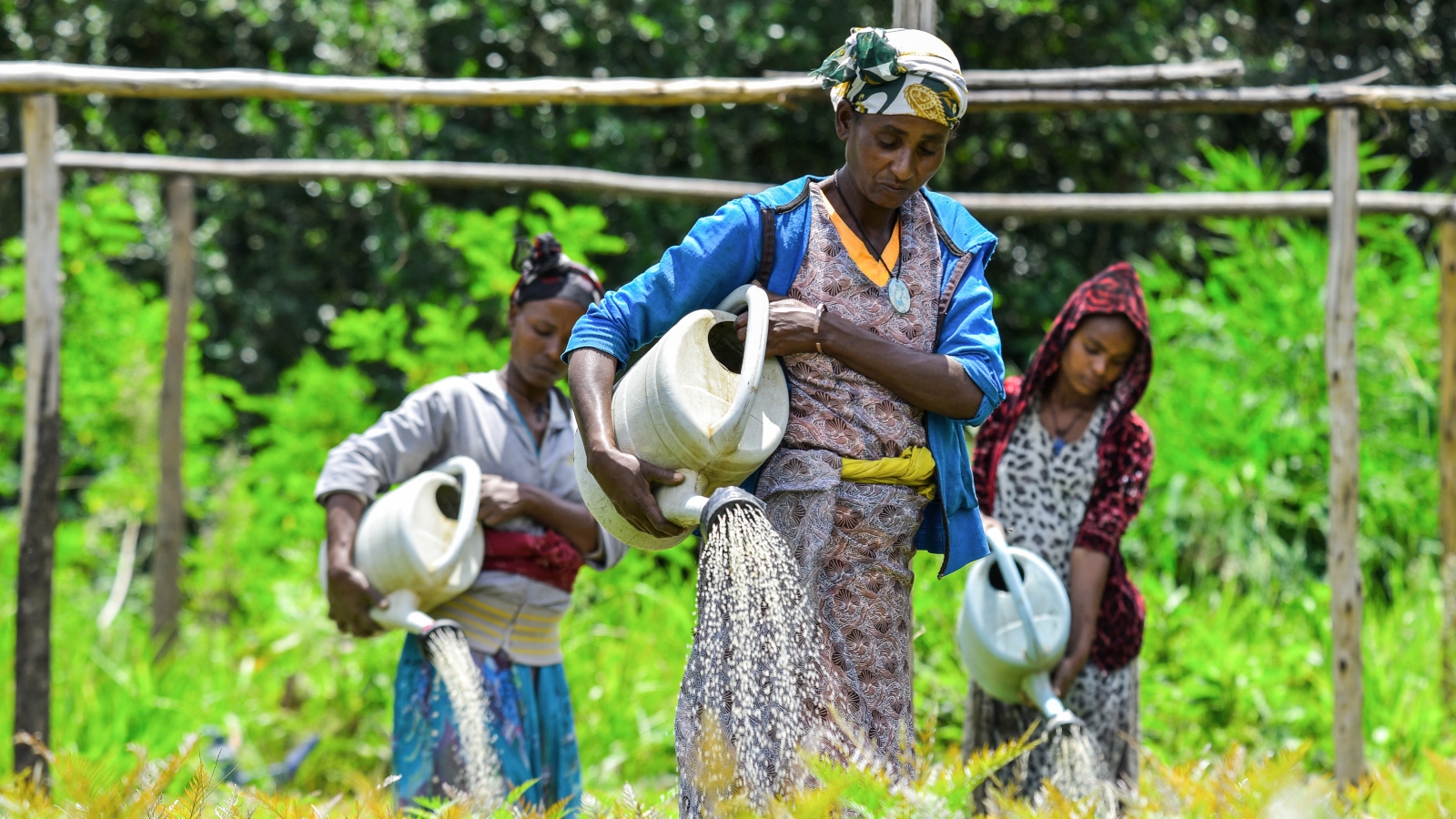
Ethiopia is undertaking one of the most ambitious environmental restoration campaigns in history, with tens of millions of citizens planting more than 47 billion seedlings over the past seven years. The national effort, known as the Green Legacy Initiative, aims to reach a total of 50 billion trees by 2030. This massive mobilization involves farmers, public servants, schools, and religious organizations working to rebuild native forests and integrate vegetation into agricultural landscapes. The program represents a significant shift in strategy for a country that has seen its forest cover plummet from an estimated 35 to 40 percent in the early 20th century to less than 3 percent by 1989.
The drive to replant is rooted in severe environmental and economic challenges. Over the last century, trees were cleared for farming, grazing, fuel, and construction, leading to widespread soil erosion. Without tree roots to hold the earth, wind and rain washed away fertile topsoil, causing crop yields to decline. This vulnerability is now exacerbated by climate change, which brings heavier downpours that trigger landslides and more intense droughts that dry out the land. The loss of shade from removed trees further accelerates this drying process, creating a cycle of degradation that threatens livelihoods.
The economic toll of this land degradation is substantial, costing Ethiopia an estimated $4.3 billion annually through reduced harvests and lost income for farmers. With more than 100 million people dependent on agriculture, the impact extends beyond environmental metrics to basic food security. Climate shocks and crop failures are major drivers of acute hunger in the region. In 2024, approximately 15.8 million Ethiopians required food assistance, representing roughly 12 percent of the total population. For farmers like Niku Argane in the Gurage Zone, the erosion of soil on steep hillsides has made cultivation increasingly difficult, reducing the surplus available for market sale.
To address these issues, the government has significantly increased its financial commitment to restoration efforts. In 2024, the establishment of the Green Legacy and Landscape Restoration Special Fund dedicated between 0.5 percent and 1 percent of the annual federal budget to landscape restoration. This translates to roughly $73 million to $145 million, an unusually large allocation for a low-income country. The initiative builds on decades of previous efforts that began after the devastating droughts and famines of the 1970s and 1980s, when international donors and the government invested in soil conservation, terracing, and check dams to slow rainwater flow.
The scale of recent planting events is staggering. In August, government figures reported that 26.6 million Ethiopians planted 800 million seedlings in a single day, surpassing the previous year’s tally of 714.7 million. This momentum has contributed to Ethiopia being selected as the host for next year’s United Nations climate conference, a prestigious role that allows the nation to showcase its greening efforts on a global stage. The initiative seeks not only to restore forests but also to sequester carbon, helping to protect future generations from increasingly extreme weather patterns.
Despite the impressive numbers, experts urge caution regarding the long-term viability of these projects. Reforestation is widely considered one of the most difficult environmental tasks, with high failure rates common in such large-scale operations. Aad Kessler, a researcher at Wageningen University in the Netherlands, noted that while reforestation almost always faces significant hurdles, the sheer size of Ethiopia’s campaign offers a buffer against total failure. Even if only 30 percent of the planted trees survive, the resulting forest cover would still be substantial.
The challenge lies not just in planting but in ensuring survival and integration into local ecosystems. Many previous restoration programs have fallen short due to lack of maintenance, poor species selection, or insufficient community engagement. Ethiopia’s current approach attempts to mitigate these risks by involving a broad cross-section of society and providing free seedlings. However, the transition from planting to sustained growth requires ongoing care and protection from grazing animals and fire.
As the country moves toward its 2030 target, the focus will likely shift from quantity to quality and sustainability. The success of the Green Legacy Initiative will depend on whether these new trees can take root in degraded soils and provide lasting benefits to farmers and communities. If effective, the program could serve as a model for other nations facing similar challenges of deforestation and climate vulnerability. If not, it risks becoming another example of well-intentioned but ineffective environmental policy.
The coming years will be critical in determining whether this massive effort translates into tangible improvements in soil health, crop yields, and food security. The intersection of climate change, economic pressure, and environmental restoration makes Ethiopia’s experiment both high-stakes and highly visible. International observers and local communities alike are watching to see if the numbers on paper can become a greener reality on the ground.
Ultimately, the initiative reflects a broader global struggle to balance human needs with ecological limits. Ethiopia’s experience offers valuable lessons on the complexities of large-scale reforestation. While the ambition is clear, the path forward requires careful management, continued investment, and realistic expectations about what can be achieved in such a short timeframe. The outcome will have implications not just for Ethiopia, but for global efforts to combat climate change and land degradation.
Sources behind this briefing
Go to the original reporting
- Grist↗Fifty billion seedlings: Can Ethiopia replant its ravaged forests?