The short version
- California is conducting its first comprehensive review of the marine protected area network since 2013.
- Two new conservation zones on the Central Coast are proposed, marking the first tribal-led additions to the system.
- Proponents argue that expanding protections will enhance biodiversity and formally recognize Indigenous stewardship.
California state officials have initiated a comprehensive review of the state’s marine protected area network, marking the first such evaluation in fifteen years. This process presents an opportunity to designate new conservation zones or expand existing boundaries along the coast. The review comes after more than two decades of established protections around the Channel Islands, which have transformed previously degraded waters into thriving ecosystems. Scientists and conservationists describe this moment as a critical juncture for maintaining and enhancing marine biodiversity in California waters.
The current network includes roughly 150 square miles of protected waters surrounding the Channel Islands. These areas function similarly to underwater state parks, restricting activities such as commercial fishing, oil drilling, and other seafloor disturbances. Since their designation began in 2003, these zones have served as safe havens for marine life. Observers note significant ecological recovery, with larger fish populations, abundant wildlife, and healthier habitats emerging where human interference has been minimized. The islands are often compared to the Galapagos due to the richness of species found there.
Before protections were enacted, intensive commercial fishing had severely damaged kelp forests and depleted key species in these waters. Historical footage shows a stark contrast to the vibrant ecosystems seen today. Violet Sage Walker, chair of the Northern Chumash Tribal Council, described the pre-protection era as resembling a dead planet. The establishment of marine protected areas allowed kelp forests to recover and provided nurseries for juvenile fish. Species such as giant sea bass, sheephead fish, leopard sharks, and various rockfish have rebounded in these sheltered environments.
Among the proposals under consideration are two new state marine conservation areas on the Central Coast: Point Sal and Mishopshno. These sites represent a significant shift in how California approaches ocean conservation. Both proposals are co-sponsored by California tribes in collaboration with environmental organizations, including the Natural Resources Defense Council and the Environmental Defense Center. This marks the first time tribal-led initiatives have been integrated into the state’s marine protected area network. Advocates view this as a step toward formalizing the role of Indigenous communities as ocean stewards.
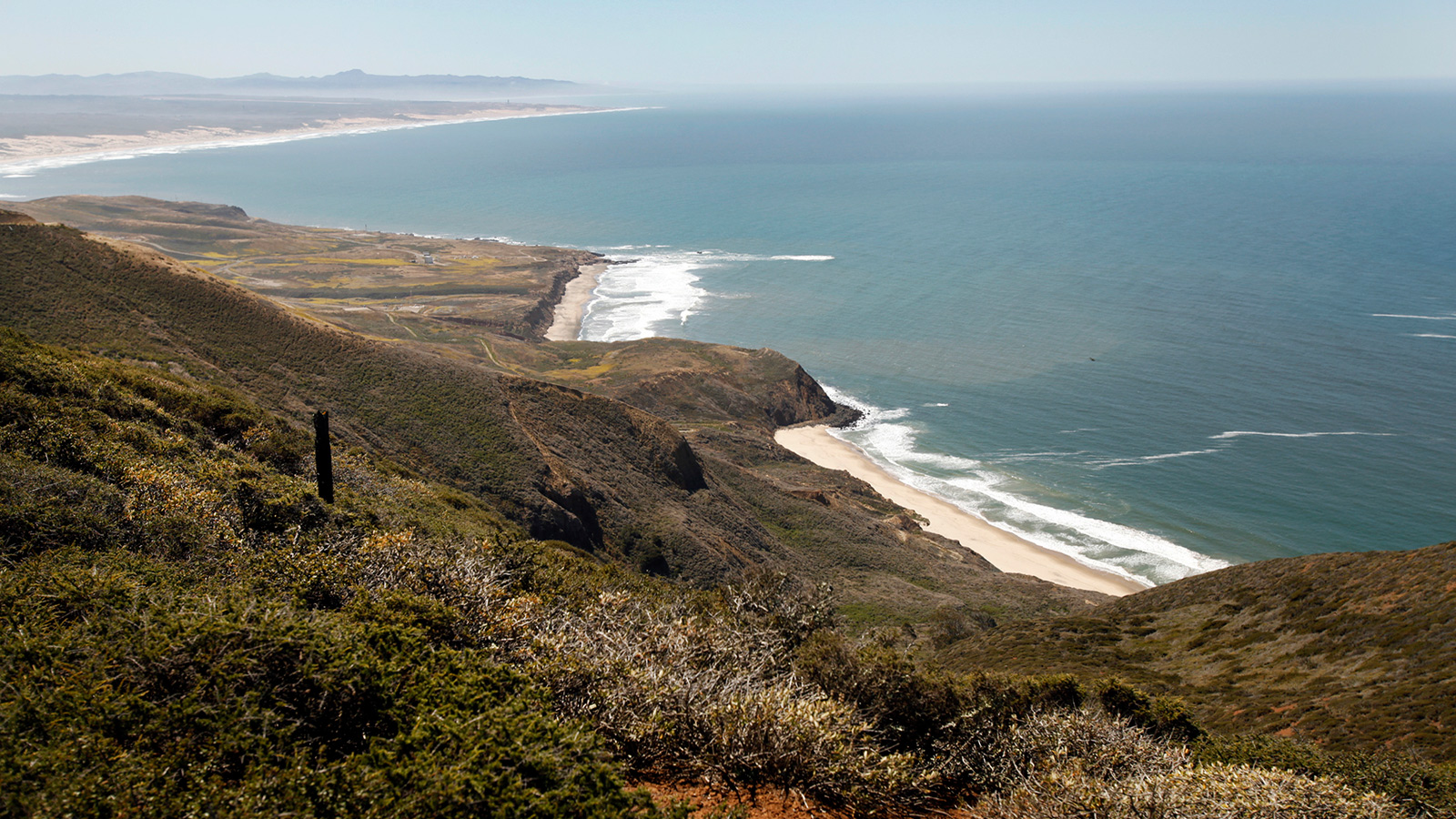
The proposed Point Sal State Marine Conservation Area covers approximately nine square miles off the Santa Barbara County coast. The site features a headland that shelters waters from wind, creating calm conditions conducive to fish larval development. Lion Rock within this area serves as a gathering place for seals and sea lions and a roosting site for seabirds. Scientists have documented over 880 sea lions in a single day at this location. The area also supports kelp forests and rocky reefs that provide habitat for sharks, sea otters, and other marine wildlife.
For the Northern Chumash Tribal Council, Point Sal holds deep cultural significance beyond its ecological value. Chairwoman Walker emphasized that her people lived and thrived in this region for thousands of years, with ancient village sites located along the coast. The proposal seeks to create a clearer pathway for coastal tribes to participate in ocean stewardship. This includes access for cultural practices and a formal role in management decisions. Tribal leaders argue that reconnecting with these waters is essential for addressing climate resilience and ensuring long-term coastal health.
The Mishopshno State Marine Conservation Area proposal focuses on a different ecological setting near Carpinteria. This site features a 1.6-mile rocky reef that supports one of the Central Coast’s most enduring kelp forests. Nearby sandy-bottom habitats, beaches, and protected salt marshes create connected nursery and feeding areas for marine life. The area supports hundreds of bat rays, large fish species, and juvenile white sharks. The Santa Ynez Band of Chumash Indians, along with environmental partners, has sponsored this proposal to protect these interconnected ecosystems.
While the current marine protected areas do not have formal tribal co-management systems, the new proposals aim to change that dynamic. California tribes have stewarded the lands and waters of the Central Coast for over 10,000 years. Integrating tribal knowledge and leadership into conservation efforts is seen as a way to honor this history and improve management outcomes. Doug McCauley, a marine science professor at UC Santa Barbara, described the review as a historic opportunity that should not be missed. The outcome of this process could set a precedent for future conservation efforts in California.
The review process involves evaluating the effectiveness of existing protections and identifying gaps in the network. Officials are considering how best to balance ecological preservation with other ocean uses. The inclusion of tribal-sponsored proposals highlights a growing recognition of Indigenous rights and responsibilities in environmental management. As the state moves forward, the focus remains on creating resilient marine ecosystems that can withstand climate change pressures while supporting biodiversity.
The final decisions from this review will shape the future of California’s coastal waters. Expanding protected areas could provide additional benefits to fisheries outside these zones through spillover effects. It may also enhance the resilience of marine habitats against warming temperatures and acidification. The integration of tribal stewardship offers a model for collaborative conservation that respects both scientific data and traditional ecological knowledge. The coming months will determine whether these proposals are adopted and how they will be implemented.
Sources behind this briefing
Go to the original reporting
- Grist↗A once-in-a-generation opportunity for California’s ocean