The short version
- The International Institute for Strategic Studies argues that Gulf states must restructure their defense strategies due to significant economic losses and inadequate protection during recent conflicts.
- Despite massive spending on advanced weaponry, regional militaries struggled against drone swarms and ballistic missiles, revealing gaps in integration and cost-effective interception capabilities.
- US lawmakers are debating the future of regional bases, with some arguing that rebuilding vulnerable infrastructure is fiscally irresponsible given the ease with which they can be destroyed.
A comprehensive study released by the International Institute for Strategic Studies argues that Gulf nations must fundamentally restructure their defense architectures. The report suggests that the recent conflict between the United States and Iran has exposed critical flaws in the region’s security model, particularly regarding the reliance on American military support and expensive high-end weaponry. Analysts indicate that the traditional approach to regional stability is no longer sustainable given the demonstrated vulnerability of current assets.
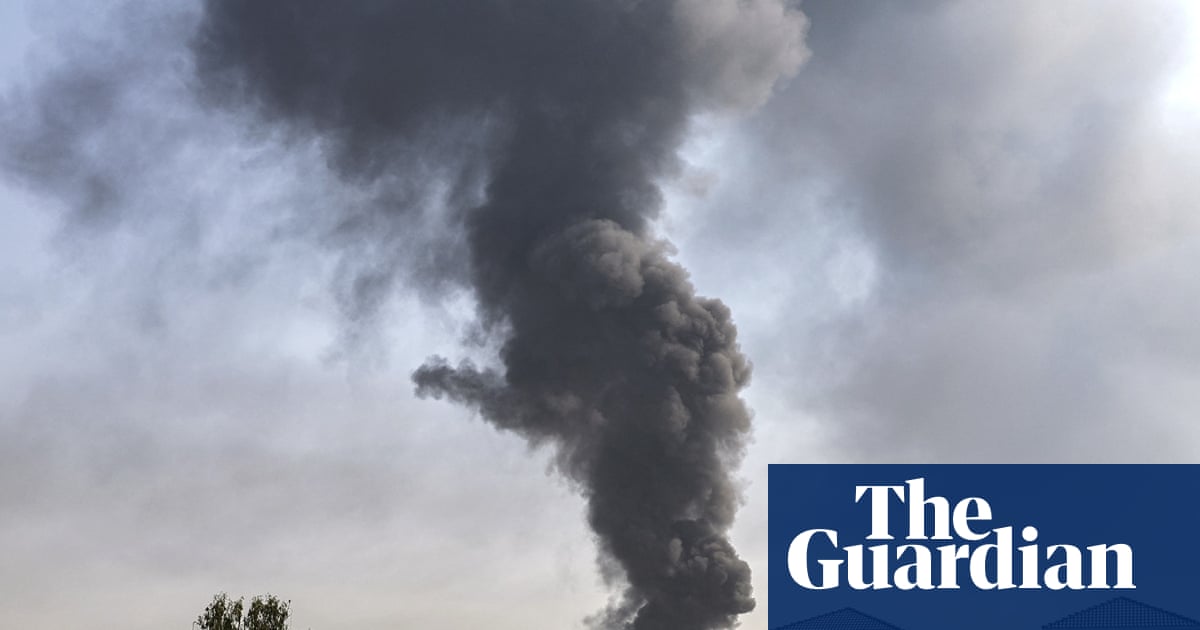
The scale of the aerial assault preceding the April ceasefire was substantial. Regional states faced thousands of one-way attack drones and ballistic missiles, with a significant portion targeted at the United Arab Emirates. While defense systems managed to repel the vast majority of these projectiles, the economic toll was severe. Estimates cited in the report place the damage to energy infrastructure as high as $58 billion, underscoring the financial strain of defending against attritional air warfare.
The analysis points out a paradox in Gulf defense spending. Despite trillions of dollars invested primarily in American armaments, these acquisitions did not translate into adequate protection during the crisis. The report identifies several structural weaknesses, including an overreliance on US-supplied missile defense systems and a lack of regional integration among militaries. Additionally, there is a noted shortage in minesweeping capabilities and limited options for retaliation, leaving states exposed to asymmetric threats.
Cost efficiency emerged as a major concern in the evaluation of defensive strategies. The report highlights the prohibitive expense of using high-end systems to intercept relatively inexpensive drones and missiles. This disparity raises questions about the long-term sustainability of current procurement policies. Gulf leaders are now facing pressure to reconsider their dependence on costly technologies that may not offer proportional security benefits in the face of modern, low-cost aerial threats.
The geopolitical implications of these findings are significant for US-Gulf relations. The study suggests that longstanding security partnerships have failed to guarantee protection against Iranian aggression. In some interpretations, the presence of US bases and defense agreements provided additional targets for attacks, rather than serving as a deterrent. This shift in perception is altering public opinion in the Gulf, where the United States is increasingly viewed as a strategic liability rather than a reliable security provider.
Iranian strategy appears to capitalize on these vulnerabilities. The report notes that any reduction or withdrawal of US forces would be framed by Tehran as a strategic victory and a vindication of its resistance. Such a move could also embarrass Gulf states, highlighting the perceived failure of their decades-long pursuit of American protection. This dynamic complicates diplomatic efforts and may influence future negotiations regarding regional security arrangements.
In Washington, the debate over the future of military presence in the region is intensifying. Senator Chris Murphy has questioned the wisdom of rebuilding damaged bases, arguing that it would be fiscally irresponsible to invest in infrastructure that can be destroyed within hours of a conflict starting. He emphasized that the limiting principle for any rebuilt footprint must be based on what can realistically be protected, suggesting a need for a smaller, more defensible presence.
Murphy’s comments reflect a broader reassessment of US military strategy in the Middle East. The possibility of relocating bases to less vulnerable areas, such as the eastern Mediterranean, is being considered. This potential shift would mark a significant departure from current deployment models and could have far-reaching consequences for regional stability. As Gulf states grapple with the report’s recommendations, the path forward remains uncertain, with no clear consensus on how to balance security needs with economic realities.
The report does not take a definitive stance on whether Gulf states should pursue a non-aggression pact with Iran. However, it underscores the urgent need for a new approach to regional defense. The combination of high costs, inadequate protection, and shifting geopolitical dynamics presents a complex challenge for policymakers. The coming months will likely see intense discussions about how to adapt to this new security environment without compromising national interests or regional stability.
Sources behind this briefing
Go to the original reporting
- The Guardian World↗Gulf states must rethink trillion-dollar defence in light of US-Iran war, says report