The short version
- Tests of seized counterfeit cosmetics revealed dangerous levels of mercury, lead, and methanol, substances that can cause permanent organ damage.
- The proportion of young adults knowingly purchasing fake beauty products has tripled since 2023, with most transactions occurring via online platforms.
- Authorities are launching a public awareness campaign to highlight the invisible health risks associated with unregulated imitation goods.
Regulators in the United Kingdom have issued a stark warning regarding the proliferation of counterfeit beauty products, citing the discovery of highly toxic substances in items seized from illegal supply chains. Trading Standards officials reported finding mercury, lead, and methanol in fake cosmetics and skincare goods, marking a significant escalation in the health risks posed by illicit merchandise. These findings underscore a growing crisis where consumers, particularly younger demographics, are increasingly exposed to dangerous chemicals under the guise of popular brand names.
The severity of the contamination was highlighted by specific test results from a cross-section of fifty seized items. One skincare product contained an alarming 13,200 parts per million of mercury, a heavy metal known for its cumulative toxicity. Other tests identified high concentrations of lead in lipsticks, eyeshadows, and contour products. Additionally, investigators discovered nicotine in counterfeit perfumes and found that some imitation fragrances were composed of approximately eighty percent methanol, a toxic alcohol capable of causing severe poisoning. These substances bypass the rigorous safety protocols required for legitimate cosmetics.
The health implications of these contaminants are profound and often insidious. Mercury exposure through the skin can lead to long-term damage to the kidneys and nervous system, while lead poses particular dangers to brain development in children and during pregnancy. Independent toxicologists emphasize that the most concerning effects may not be immediately visible. Unlike allergic reactions that manifest as irritation or swelling, internal damage from heavy metals can occur silently, leaving consumers unaware of the harm until significant physiological injury has taken place.
This surge in dangerous counterfeits coincides with a dramatic shift in consumer behavior among young adults. Data from the Intellectual Property Office indicates that twenty percent of individuals aged eighteen to twenty-four knowingly purchased counterfeit beauty products last year. This figure represents a substantial increase from just six percent in 2023, suggesting a rapid normalization of buying illicit goods within this demographic. The trend is largely driven by online marketplaces, where nearly three-quarters of counterfeit cosmetic purchases are made, allowing scammers to reach wide audiences with minimal oversight.
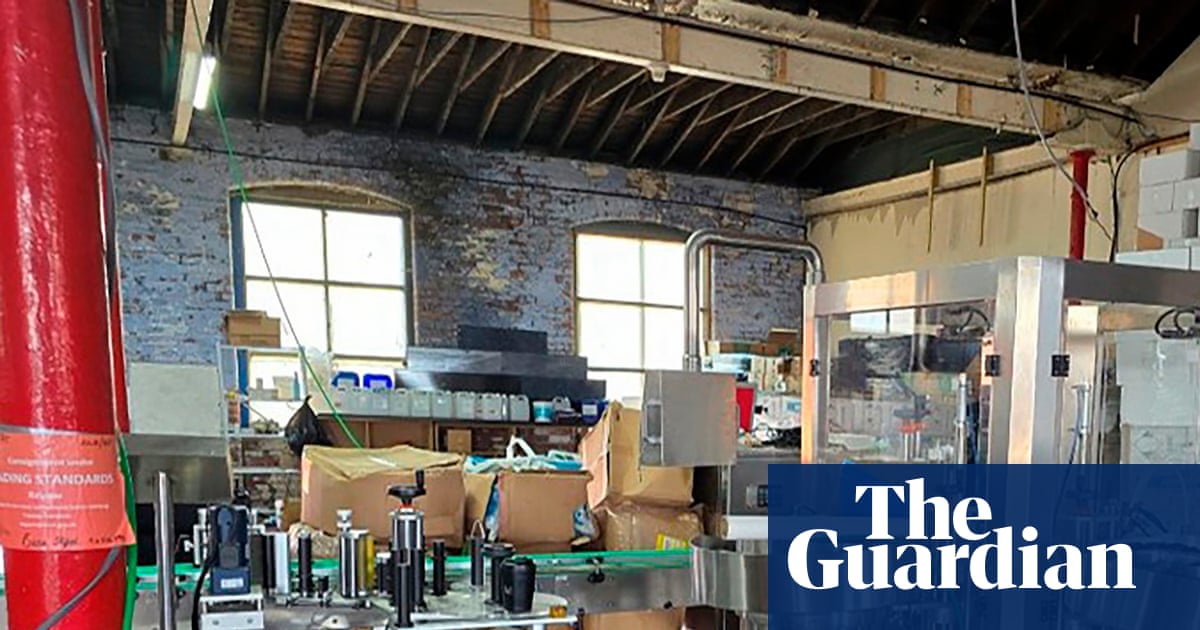
Law enforcement agencies have intensified their efforts to dismantle these supply chains. In July, the Police Intellectual Property Crime Unit and Greater Manchester police executed a raid that resulted in the seizure of 1,666 counterfeit hair products, including extensions, shampoos, and conditioners. A separate operation in Bolton uncovered a production facility holding two million pounds worth of fake goods. The site contained not only cosmetics and perfumes but also clothing and vaping devices, illustrating the diverse nature of the illicit manufacturing operations targeting multiple consumer sectors.
The fundamental issue lies in the lack of regulatory oversight for these counterfeit items. Legitimate beauty brands are required to undergo strict health and safety testing and provide accurate ingredient lists. Counterfeiters bypass these standards entirely, often producing goods in unhygienic conditions without regard for consumer safety. The packaging may appear convincing, mimicking the design and branding of trusted companies, but it offers no guarantee of what chemicals are inside or how the product was manufactured.
Industry leaders argue that counterfeiters exploit the reputation and creativity of established businesses while failing to meet basic safety standards. The British Beauty Council has joined forces with content creators and industry partners to launch a campaign titled Face the Fakes. This initiative aims to educate consumers about the hidden dangers of imitation products and reinforce the importance of purchasing from authorized retailers. The goal is to restore confidence in the beauty market by highlighting the care and expertise that go into legitimate product development.
As the volume of seized goods increases, authorities stress that visual inspection is insufficient for determining product safety. Consumers cannot discern the presence of toxic metals or alcohols by examining packaging alone. The rise in online purchases of fakes suggests that digital literacy regarding seller verification is as critical as traditional consumer awareness. Without significant changes in purchasing habits and stricter enforcement on digital platforms, the risk of exposure to harmful substances will likely continue to grow.
The situation presents a complex challenge for regulators balancing market freedom with public health protection. While the allure of discounted luxury goods drives demand, the potential for severe medical consequences cannot be ignored. The collaboration between trading standards, police units, and industry bodies represents a multi-faceted approach to curbing the trade. However, the rapid increase in counterfeit purchases among young people indicates that educational efforts must keep pace with the evolving tactics of online scammers.
Looking ahead, the effectiveness of the Face the Fakes campaign will depend on its ability to reach consumers at the point of purchase. If the trend of knowingly buying counterfeits continues to rise, the health burden on the public healthcare system could increase due to treatable conditions caused by chemical exposure. Authorities remain vigilant, but the sheer volume of online transactions makes complete eradication difficult. Consumers are urged to prioritize verified sources over price savings to avoid potential long-term health risks.
Sources behind this briefing
Go to the original reporting
- The Guardian World↗Mercury, lead and methanol found in counterfeit beauty products seized across UK