The short version
- Cecilia Vega states she was fired without explanation despite having a contract valid until March 2027, joining other high-profile departures from the news division.
- Vega and former colleague Scott Pelley allege that corporate leadership attempted to influence coverage to align with the Trump administration's political interests.
- The network denies claims of bias, while recent episodes have recorded their lowest audience numbers in decades following the departure of veteran staff.
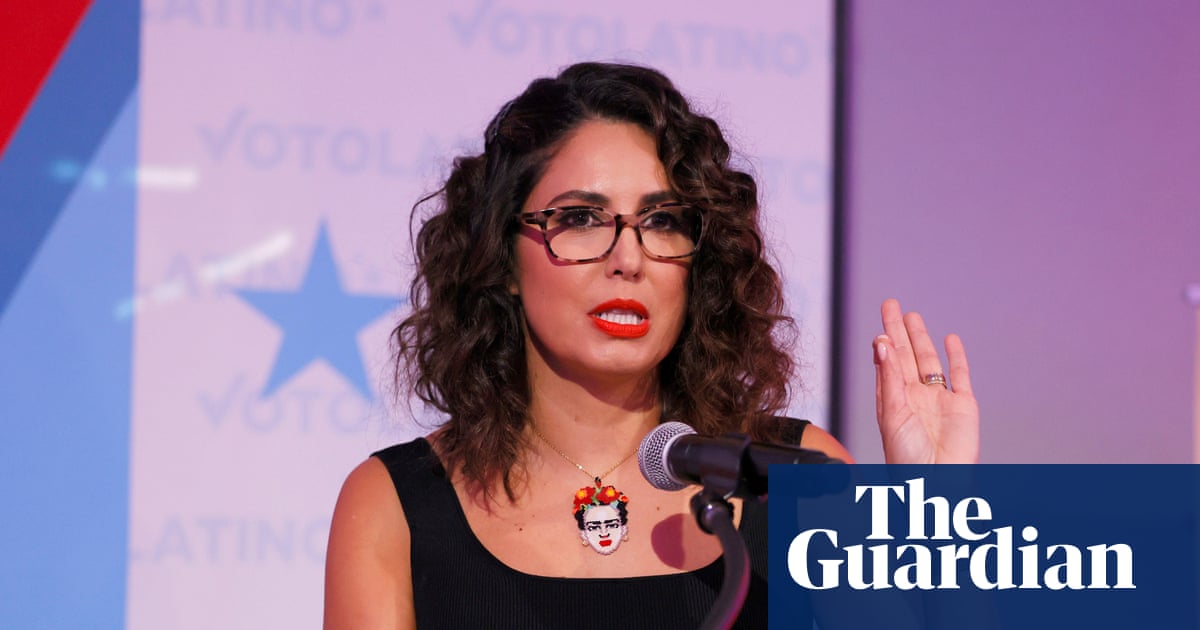
Cecilia Vega, a former correspondent for CBS News’ flagship program 60 Minutes, has publicly expressed distress over the direction of the network since her termination earlier this year. Speaking to students at American University in Washington DC, Vega described the current state of the newsmagazine as painful to observe from a distance. She highlighted a significant drop in viewership and voiced concern for colleagues who remain employed at the network under new management structures.
Vega was dismissed in May as part of a broader restructuring effort led by CBS News editor-in-chief Bari Weiss. The overhaul included the hiring of tech journalist Nick Bilton as executive producer and resulted in the departure of several senior producers and correspondents. Vega’s contract was not scheduled to expire until March 2027, a detail that has fueled ongoing confusion regarding the rationale behind her termination. She stated she received no specific reason for being let go and characterized the dismissal as without cause.
The restructuring also involved the departure of correspondent Scott Pelley, who was fired for cause after reported clashes with Bilton, and Sharyn Alfonsi, whose contract was not renewed. Executive producer Tanya Simon was also among those let go. These changes occurred despite the show maintaining strong performance metrics prior to the shakeup. The 58th season averaged 9.1 million viewers, representing a nine percent increase over the previous year. However, recent episodes have drawn significantly smaller audiences, with the sixth episode of the current season attracting just 5.64 million viewers, marking the lowest figure for that slot in the century.
During her university appearance, Vega reiterated allegations that she faced pressure to compromise journalistic standards. She claimed that newsroom managers attempted to insert political bias into her stories and specifically asked her to include information she believed was factually untrue. Vega emphasized that she resisted these directives, noting that other colleagues also pushed back against what they perceived as editorial interference. She described the environment as one where corporate influence sought to shape reporting in a manner inconsistent with traditional newsroom practices.
Scott Pelley has echoed similar concerns regarding editorial independence. In recent public comments, Pelley asserted that there was an imperative to adjust coverage to be more palatable to the Trump administration. He described this pressure as a form of corporate influence attempting to place a thumb on the scale in favor of the president’s viewpoint. Pelley stated that he and his colleagues fought against these efforts, viewing them as antithetical to the long-standing standards of the program.
CBS News management has firmly rejected Vega’s allegations. A network spokesperson stated in late May that while they respect Vega’s contributions, her claims are not based in reality. The network has maintained that the restructuring was necessary for building the brand and future-proofing the division, rather than a response to external political pressures or internal editorial disputes. Editor-in-chief Bari Weiss has indicated that she is not focused on immediate ratings fluctuations but is instead prioritizing long-term network development.
The uncertainty surrounding these changes extends beyond individual firings to the broader corporate landscape. CBS News is now owned by David Ellison’s Skydance, raising questions about the ultimate strategic goals for the news division. Vega expressed fear regarding job security and editorial independence for remaining staff, particularly as ownership structures evolve. She noted that the convergence of media assets under single ownership could pose risks to journalistic autonomy, though she stopped short of predicting specific outcomes.
The situation highlights a growing tension between traditional broadcast journalism standards and new corporate leadership priorities. While the network denies any political motivation behind the personnel changes, the timing and nature of the departures have drawn scrutiny from industry observers. Vega’s comments add to a narrative of disruption within one of television’s most established news brands, leaving viewers and journalists alike uncertain about the future tone and integrity of the coverage.
As the new season progresses, the impact of these leadership changes will likely become more apparent in both content and audience engagement. The drop in ratings suggests that the overhaul has not yet stabilized viewer interest, despite management’s focus on long-term growth. For former staff like Vega and Pelley, the experience serves as a cautionary tale about the fragility of editorial independence in an era of shifting media ownership and aggressive corporate restructuring.
The debate over journalistic integrity versus corporate strategy continues to unfold without clear resolution. Vega remains unclear on the endgame for the network under its new ownership, describing the situation as a mystery. As other journalists navigate similar challenges across the industry, the CBS News case may serve as a reference point for how news organizations balance commercial pressures with their commitment to unbiased reporting.
Sources behind this briefing
Go to the original reporting
- The Guardian World↗Ousted 60 Minutes correspondent Cecilia Vega on overhaul at CBS News: ‘It hurts to watch’