The short version
- Storm Austen caused widespread power outages affecting over sixteen thousand homes in south-west England, with engineers restoring service to many properties by Friday morning.
- Prime Minister Andy Burnham emphasized the need for public resilience and emergency supplies, citing a potential winter with heightened flooding risks.
- Forecasters have issued amber warnings for a second storm, Boelo, which is expected to bring dangerous winds to Scotland, Northern Ireland, and northern England this weekend.
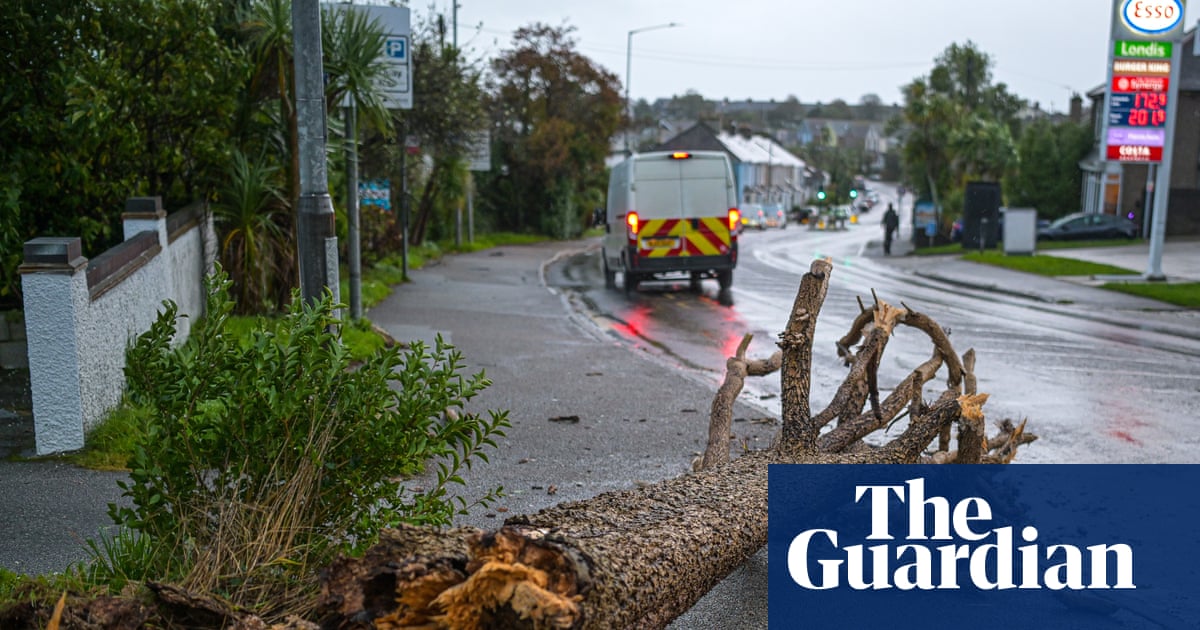
The first named storm of the year has brought severe disruption to south-west England, leaving thousands of households without electricity and forcing the closure or delayed opening of dozens of schools in Cornwall. Storm Austen arrived with significant force, recording wind gusts of seventy-six miles per hour at St Mary’s Airport on the Isles of Scilly on Friday morning. The National Grid reported that just before eleven o’clock, more than sixteen thousand homes in the region were experiencing power cuts due to the intense conditions.
Restoration efforts began quickly, with engineers managing to restore electricity to over twelve thousand affected properties by eight o’clock on Friday. Despite these recovery efforts, the immediate impact on daily life was substantial. Educational institutions across Cornwall faced significant logistical challenges, with many schools unable to open on time or at all as staff and students navigated the hazardous weather conditions.
Prime Minister Andy Burnham addressed the situation during a summit focused on learning from the record wildfires experienced earlier in the summer. He warned that the country may be facing a winter characterized by greater flooding risks, urging citizens to recognize these dangers and take proactive measures. When questioned about whether the government was playing catch-up regarding civil preparedness, Burnham denied this characterization.
The Prime Minister stated that the current strategy involves having open conversations with the public about resilience in a world where unexpected events are becoming increasingly common. He highlighted a government campaign designed to encourage people to stockpile food and essential supplies to withstand multi-day emergencies. This initiative aims to ensure households can manage through moments of crisis without relying solely on immediate external aid.
Meteorological agencies have escalated warnings as another system approaches. The Met Office issued an amber weather warning for wind covering Cornwall, Devon, and the Isles of Scilly, which took effect from one in the morning until ten in the morning on Friday. This initial alert was followed by a new twenty-four-hour amber warning for Storm Boelo, the second named storm of the year.
Storm Boelo is forecast to impact Scotland, the north coast of Northern Ireland, and parts of northern England including Cumbria and Northumberland. The warning period begins at nine in the evening on Saturday. Forecasters predict that exposed coastal areas could experience wind gusts reaching up to eighty miles per hour, while winds between sixty and seventy miles per hour are expected to be widespread elsewhere.
The Met Office has issued stark warnings about the potential dangers associated with Boelo, including the risk of flying debris posing a threat to life. There is also a significant probability of further power cuts, structural damage to buildings, uprooted trees, and disruptions to rail and flight schedules. These predictions underscore the severity of the approaching weather system.
In the Republic of Ireland, Met Éireann has issued six warnings of varying severity for Saturday, primarily affecting counties along the west coast. This coordinated alert across jurisdictions highlights the broad reach of the atmospheric disturbance. As authorities prepare for the arrival of Boelo, the focus remains on minimizing damage and ensuring public safety amidst the escalating weather threats.
The sequence of storms marks a significant shift in seasonal weather patterns, prompting renewed attention to infrastructure resilience and emergency planning. The government’s emphasis on individual preparedness reflects a broader strategy to mitigate the impacts of increasingly volatile weather events. Residents in affected areas are advised to monitor local updates and secure their properties against strong winds.
As the weekend approaches, the transition from Storm Austen to Boelo will test the capacity of emergency services and utility providers across multiple regions. The cumulative effect of these storms could strain resources already stretched by earlier seasonal challenges. Officials continue to stress the importance of staying informed and adhering to safety guidelines as conditions evolve.
Sources behind this briefing
Go to the original reporting
- The Guardian World↗Thousands of homes without power as Storm Austen hits south-west England