The short version
- A Finnish broadcaster is airing a 24-hour livestream of newborn puppies, attracting millions of viewers across the region.
- The program represents the latest iteration of slow television, a genre originating in Norway that emphasizes real-time, unedited events.
- Creators state the show provides psychological relief from stress and global instability by focusing on basic biological development.
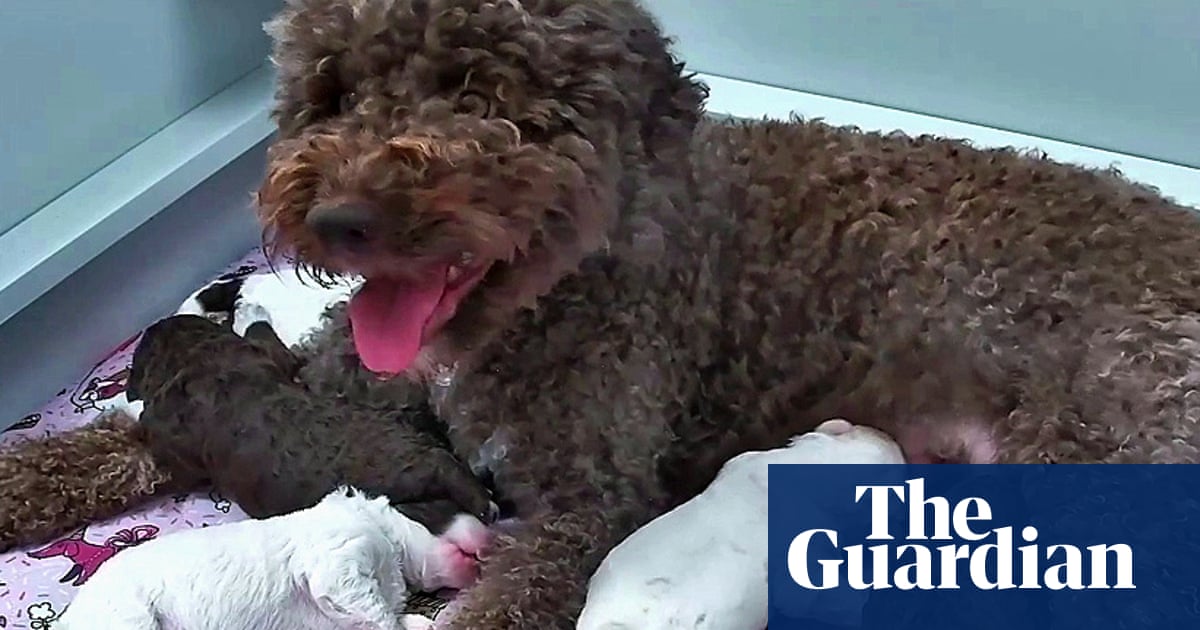
A Finnish public broadcaster has launched its sixth season of Pentulive, a continuous television program dedicated to monitoring the early lives of six newborn puppies. The broadcast features round-the-clock webcam footage of the litter alongside their mother, Hilkka, capturing developmental milestones such as birth, weigh-ins, and initial grooming sessions. This year’s iteration includes additional interactive elements, including live evening discussions with the breeders, a companion podcast, and an instant notification service that alerts subscribers to significant moments in the puppies’ growth over an eight-week period.
The program has achieved substantial viewership numbers, drawing millions of audiences both online and through traditional television channels. The popularity extends beyond Finland’s borders, with the broadcast now available in Sweden under the title Valparna live. Furthermore, the broadcaster Yle recently confirmed that it has licensed the format to a Dutch television network, indicating growing international interest in this specific style of unscripted programming. The show’s success highlights a sustained appetite for content that operates outside conventional narrative structures.
Pentulive is part of a larger cultural movement known as slow television, which originated in Norway in 2009 with the broadcast of a seven-hour train journey. This genre gained further traction in Sweden with coverage of moose migrations, characterized by long-form, unnarrated observation of natural or mundane processes. The Finnish puppy series continues this tradition by removing editorial commentary and dramatic pacing, instead offering a steady, real-time window into animal behavior and care. The format relies on the inherent interest of biological development rather than manufactured conflict or plot twists.
Viewers have responded to the broadcast with significant engagement, particularly during the first two weeks of the puppies’ lives. Social media platforms and streaming services have recorded high traffic volumes related to the show. Audience feedback suggests that the content serves as a mechanism for stress reduction, offering a sense of comfort to individuals dealing with loneliness, illness, or work-related pressure. The simplicity of watching young animals develop appears to provide a mental break from the complexities of daily life.
Creators and journalists associated with the project have articulated specific motivations behind the format’s design. Pirjo Koskinen, a science journalist who helped develop the concept, emphasized the educational value of observing the critical first weeks of canine development. She noted that the show aims to inform viewers about recent research in dog behavior while simultaneously providing an emotional escape. The juxtaposition of scientific education with emotional comfort is central to the program’s appeal.
The psychological impact of the broadcast has been linked to broader global tensions. Koskinen pointed out that ongoing issues such as armed conflicts, climate change, and environmental degradation contribute to widespread anxiety. In this context, the livestream offers a temporary refuge from negative news cycles. By focusing on the fundamental aspects of life—birth, growth, and care—the program provides a counter-narrative to the darker themes dominating other media outlets. This contrast allows viewers to experience joy and humor derived from the clumsy movements and interactions of the young dogs.
Interactive elements remain a key component of viewer engagement. The upcoming naming ceremony for the puppies, scheduled for their two-week birthday, will be determined by public vote. Suggested names include Martha, Timo, Ronja, and Dante, reflecting the audience’s active participation in the narrative. This level of involvement transforms passive viewing into a communal experience, fostering a sense of connection among disparate viewers who share an interest in the animals’ welfare.
Ville Alijoki, editorial manager for factual journalism at Yle, described the appeal of the show as possessing a certain magic that addresses a void in contemporary media consumption. He suggested that audiences are seeking moments of clarity and warmth in a world that often feels overwhelming. The success of Pentulive indicates that there is a viable market for content that prioritizes tranquility and authenticity over sensationalism.
The broadcast will conclude its primary phase in mid-December, when the puppies will be separated from their mother and adopted by new families. This transition marks the end of the continuous livestream but not necessarily the end of public interest. The format’s expansion into other European markets suggests that the model may continue to evolve, potentially adapting to different cultural contexts while maintaining its core principles of slow, observational storytelling.
As the trend of slow television matures, it challenges traditional assumptions about what constitutes engaging content. The ability of a puppy livestream to compete with high-production dramas and news cycles underscores a shift in viewer preferences toward authenticity and relaxation. Whether this represents a temporary fad or a lasting change in media consumption habits remains to be seen, but the current data indicates a strong demand for unscripted, calming experiences.
Sources behind this briefing
Go to the original reporting
- The Guardian World↗Puppy love: Finnish 24-hour newborn pup livestream is TV smash hit