The short version
- The UK government has launched a campaign advising citizens to maintain three days of water and non-perishable food supplies.
- Prime Minister Andy Burnham emphasized that the guidance is routine preparation rather than a signal for panic buying.
- Defense Secretary Wes Streeting cited threats from state-sponsored terrorism as part of the rationale for increased household readiness.
The United Kingdom government has introduced new guidance encouraging households to maintain emergency supplies of water and long-lasting food items. This initiative, known as the Be Ready campaign, marks a shift in official communication regarding civil resilience. The advice urges citizens to keep enough provisions to sustain themselves for at least three days during potential disruptions. These disruptions could stem from severe weather events, cyber-attacks on infrastructure, or other unforeseen emergencies that might temporarily halt normal supply chains.
Prime Minister Andy Burnham addressed the public directly to contextualize the announcement and mitigate fears of an immediate threat. Speaking on BBC Radio 5, he clarified that the campaign is not intended to trigger panic buying or suggest that a crisis is currently unfolding. Instead, he framed the advice as a sensible, long-term precaution. Burnham noted that while global instability makes such events more likely, the goal is simply to ensure families have a buffer of essentials in their homes to tide them over during difficult situations.
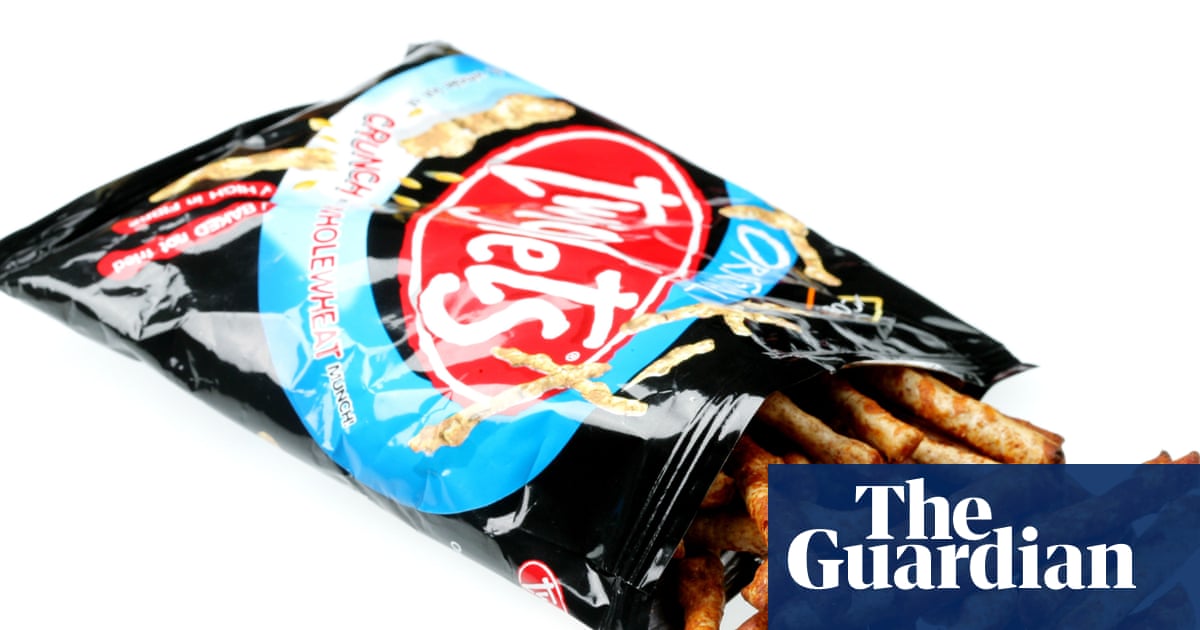
To illustrate the practical nature of the recommendations, Burnham shared details about his own household preparations. He revealed that he keeps stockpiles of basic staples, including beans, soup, and Twiglets, which are popular savory biscuits in the UK. When asked if he also stocked wine, a suggestion made by Deputy Prime Minister Angela Rayner in previous discussions, Burnham joked that alcohol is not a priority during a crisis but might be appreciated after the hard work of managing an emergency is complete. His comments were designed to normalize the idea of having simple, non-perishable food items on hand.
The government’s approach aligns with practices already established in several other European nations. Treasury Minister James Murray explained that countries such as Ireland, France, and the Netherlands have long encouraged citizens to maintain small emergency reserves. He described the UK’s adoption of this advice as a catch-up measure rather than a reaction to unique domestic threats. Murray admitted that he himself had not yet fully followed the guidance, noting that he primarily has coffee stocked at home. He emphasized that individual choices regarding preparation should remain personal, and the government would not issue a mandatory shopping list.
Despite the reassuring tone from senior ministers, the underlying rationale for the campaign includes serious security concerns. Defense Secretary Wes Streeting highlighted the need for national preparedness in the face of potential state-sponsored terrorism. He specifically mentioned Russia and other hostile powers as entities that might target everyday infrastructure. This geopolitical context provides a sober backdrop to what might otherwise appear as routine civil defense advice. The threat landscape has evolved, making resilience against external attacks on utilities and supply networks a higher priority for policymakers.
Public reaction to the announcement has been mixed, with some listeners expressing concern about potential shortages if large numbers of people attempt to stock up simultaneously. Burnham acknowledged these worries but reiterated that the campaign is not about hoarding or panic. He stressed that having a sensible amount of supplies is different from emptying store shelves. The distinction between prudent preparation and fear-driven consumption is central to the government’s messaging strategy. Officials hope that clear communication will prevent market distortions while still encouraging responsible behavior.
The Be Ready campaign represents a broader effort to modernize the UK’s approach to civil emergencies. In recent years, public discourse around disaster preparedness has been limited compared to neighboring countries. By bringing the conversation back into the mainstream, officials aim to foster a culture of readiness without inducing alarm. The advice is general and applicable to a wide range of scenarios, from localized power outages to more significant national disruptions. This flexibility allows the guidance to remain relevant regardless of the specific nature of future threats.
Looking ahead, the government expects this initiative to become a standard part of household planning. There are no immediate plans for further escalation or additional mandates. The focus remains on education and voluntary compliance. As citizens adjust their habits to include emergency supplies, officials will monitor public sentiment and supply chain stability. The success of the campaign will likely depend on maintaining a calm, factual tone that balances the reality of global risks with the practicality of everyday life.
The emphasis on basic necessities like water and canned goods underscores the simplicity of the required actions. Unlike complex emergency protocols that require specialized training or equipment, this advice is accessible to all demographics. The inclusion of familiar items such as soup and biscuits helps demystify the concept of emergency preparedness. By framing resilience as a matter of common sense rather than exceptional circumstance, the government seeks to integrate safety measures into routine domestic management.
As the campaign rolls out, the challenge will be sustaining public engagement without causing unnecessary anxiety. The line between awareness and alarm is thin, especially in an era of rapid information dissemination. Government officials must continue to provide clear, consistent messaging that reinforces the long-term nature of the advice. The ultimate goal is a population that is prepared for uncertainty without being paralyzed by it, ensuring that the UK can withstand shocks while maintaining social stability.
Sources behind this briefing
Go to the original reporting
- The Guardian World↗Andy Burnham says he has emergency stockpile of beans, soup and Twiglets