The short version
- Tobias Rausch of the Alternative for Germany party was elected speaker of the Saxony-Anhalt state parliament with support from opposition parties that previously refused to cooperate with the far-right group.
- The election marks a historic breach of the political firewall established after World War II, raising concerns among critics about the normalization of extremist politics in postwar Germany.
- Chancellor Friedrich Merz faces mounting pressure as his party’s support declines while the AfD surges in national polls following significant regional election victories.
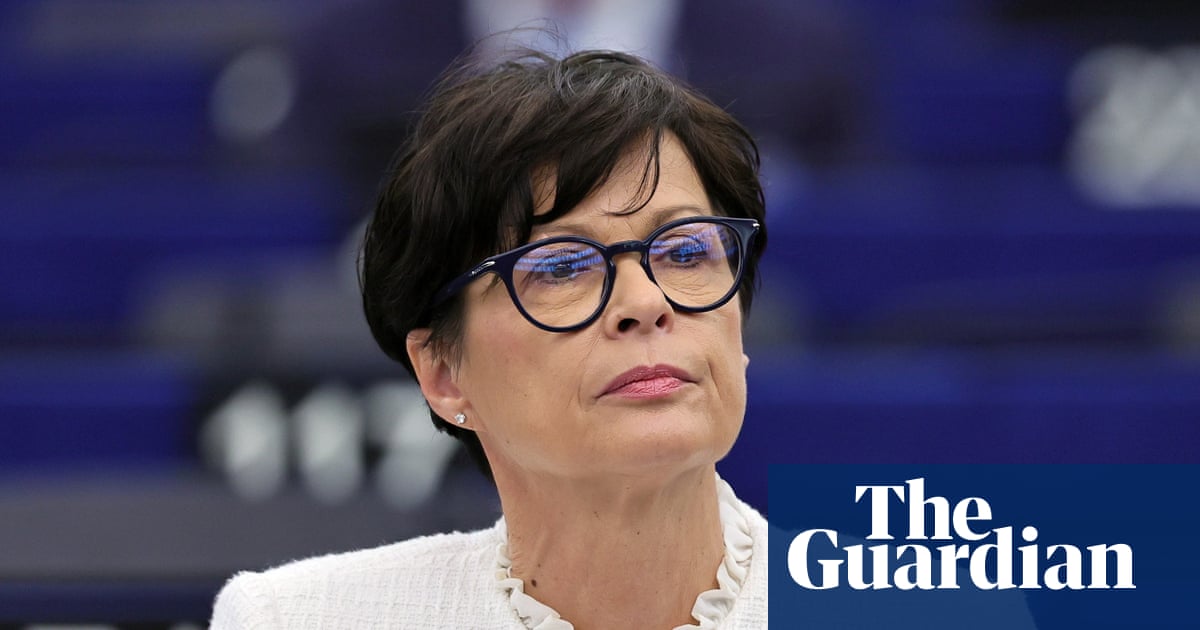
A historic political shift occurred in Saxony-Anhalt on Tuesday when Tobias Rausch, a member of the Alternative for Germany (AfD), was elected as the president and speaker of the state parliament. This outcome marks the first time since the end of World War II that a far-right party has secured such a prominent leadership position in a German regional legislature. The election took place during the inaugural session of the new parliamentary term in Magdeburg, the state capital, where Rausch received 48 votes out of 82 cast. Twenty-nine members voted against him, and five abstained from the secret ballot.
The victory for Rausch, a former real estate agent aged 35, was facilitated by unexpected support from outside his own party. The AfD parliamentary group holds 39 seats, which is just short of an absolute majority required to govern alone. Five politicians from the BSW, a small left-wing party that shares some policy alignments with the AfD regarding immigration and Russia, had previously indicated they would back Rausch. Additionally, four other members of parliament voted for him, breaking a long-standing informal agreement among mainstream parties to isolate the AfD.
This breach of what German politicians call the firewall represents a significant departure from postwar political norms. The firewall was a moral consensus designed to prevent extremist groups from gaining legitimacy or power through cooperation with established parties. Christian Leye, deputy leader of the BSW, argued that the firewall is no longer effective and that ignoring the nearly 44 percent of voters who supported the AfD in last month’s election would be politically irresponsible. He called for a more intelligent approach that engages with the content of the AfD’s program rather than relying on exclusionary tactics.
Later in the day, Hans-Thomas Tillschneider, a figure associated with the more radical wing of the AfD, was elected as Rausch’s deputy speaker. Tillschneider received 44 votes, though it remains unclear which parties supported him since the BSW stated they would not vote for his candidacy. Tillschneider is known for controversial statements, including describing Islam as a fungus growing on German society and praising Russian President Vladimir Putin. He is expected to serve as the state’s culture and science minister if the AfD forms a government.
The election has drawn sharp criticism from opposition figures who view it as a dangerous precedent. Susan Sziborra-Seidlitz, a Green party MP, warned that those who empower representatives of extremist and anti-constitutional parties will bear responsibility for the consequences. Eva von Angern, a member of the Left party and the longest-serving parliamentarian in Saxony-Anhalt, compared Rausch’s election to Hermann Göring’s role as Reichstag president in the 1930s, which facilitated Adolf Hitler’s rise to power. Von Angern also claimed that negative effects were already visible, citing decreased tourist numbers and teachers withdrawing job applications.
Rausch has been involved in previous controversies, including a nepotism scandal involving AfD members employing family members in parliamentary roles. While he denied allegations that his siblings and brother-in-law worked in the state parliament, he confirmed employing players from a football club where he is a member. In his acceptance speech, Rausch promised to represent all voices and make decisions transparently, drawing applause from his own party group and BSW members but no response from other MPs.
The political landscape in Saxony-Anhalt now hinges on whether the AfD can form a governing coalition. Ulrich Siegmund, the AfD’s lead candidate and a close ally of Rausch, is positioning himself to become the state’s leader. He has until December to negotiate a government, claiming that talks are progressing well. The BSW has stated it will only support an AfD-led parliament if a nonpartisan figure is appointed to lead it, a condition the AfD rejects. Meanwhile, the AfD claims to be courting members of the Christian Democrats (CDU) to break the firewall further, though CDU leaders deny these allegations.
These developments have intensified pressure on Chancellor Friedrich Merz, who took office in 2025 with promises to halve the AfD’s support by boosting the economy and reducing immigration. Instead, the CDU’s support has roughly halved, while the AfD has surged to 30 percent in national polls following strong performances in regional elections last September. The results in Saxony-Anhalt, along with two other state elections, highlight a significant realignment of German politics and challenge Merz’s strategy for containing far-right influence.
Sources behind this briefing
Go to the original reporting
- The Guardian World↗State parliament elects Germany’s first far-right speaker since second world war