The short version
- Students, parents, and unions are protesting across France, demanding increased investment in high schools amid concerns about educational quality.
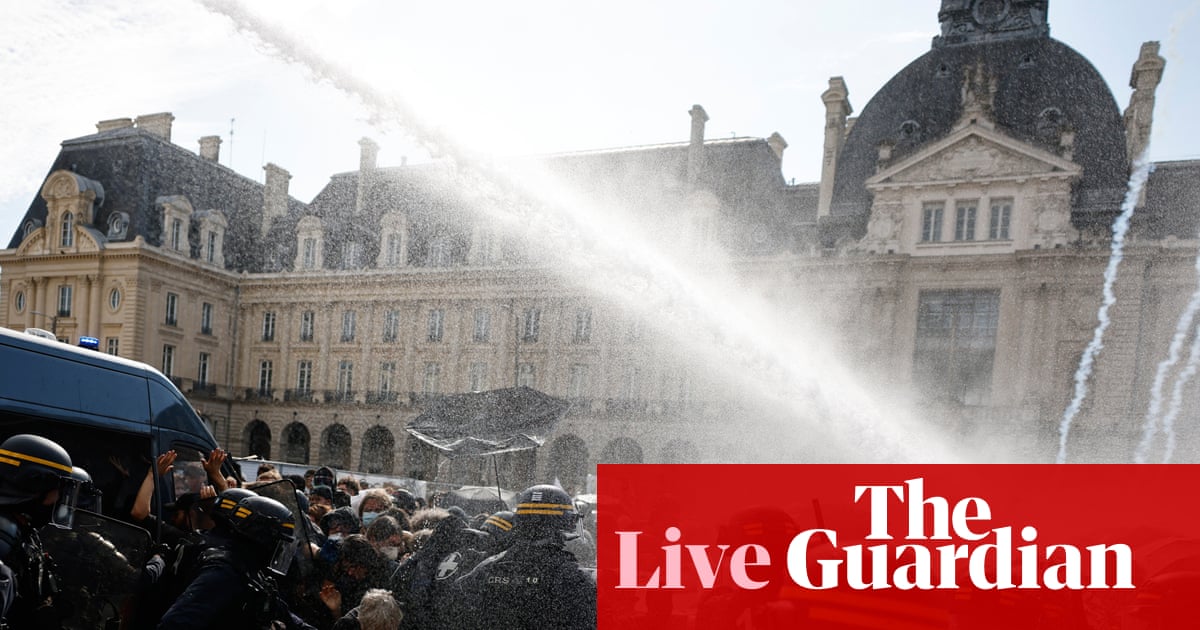
- Clashes have occurred between protesters and police in cities like Lille and Paris, with some demonstrations turning violent over the past week.
- Prime Minister Gabriel Attal's government has called a crisis meeting to address the unrest, while Amnesty International urges authorities to de-escalate tensions.
France is experiencing a wave of student protests as tens of thousands of demonstrators take to the streets demanding better investment in high schools. The demonstrations, which involve students, parents, and unions, have spread across the country, with significant gatherings in Paris, Lille, and other major cities. The unrest marks the latest day of protests over the past week, some of which have turned violent as protesters clashed with authorities.
In Paris, protesters at the Hélène Boucher lycée in the 20th district created makeshift barricades by tipping trash cans and bicycles on their sides. Parents and other adults positioned themselves between the protesters and police, emphasizing their shared goal of protecting children's rights. Emilia Sichili Suriam, a member of an association of parents, stated that demonstrating is a legitimate right to make demands for improved educational conditions.
The protests have led to school closures in many areas, disrupting education for thousands of students. In Lille, located in the north of France, BBC reporters observed scenes of tension as demonstrators confronted police. The violence has raised concerns about public safety and the effectiveness of current protest management strategies. Authorities have struggled to contain the unrest, with reports of injuries on both sides.
Prime Minister Gabriel Attal's government has responded by calling a crisis meeting to address the situation. The administration faces pressure to address the underlying issues driving the protests, including inadequate funding for schools and concerns about educational quality. Critics argue that years of neglect have left many high schools in poor condition, with outdated facilities and insufficient resources.
Amnesty International has urged French authorities to de-escalate tensions during the protests, calling for restraint and dialogue. The organization emphasized the importance of respecting the right to peaceful assembly while ensuring public order. They warned that excessive use of force could exacerbate the situation and lead to further unrest.
The protests reflect broader dissatisfaction with the government's handling of social issues. Students and parents argue that education is a fundamental right that should be prioritized in national policy. The demonstrations have drawn support from various sectors of society, highlighting the widespread nature of the discontent.
As the protests continue, there are calls for meaningful reforms to address the systemic problems in the French education system. Advocates demand increased funding, better teacher training, and improved infrastructure. Without concrete actions from the government, the unrest is likely to persist, potentially escalating into larger-scale demonstrations.
The situation remains volatile, with no clear resolution in sight. The government's ability to manage the crisis will be tested in the coming days as protesters maintain their demands for change. Public opinion appears divided, with some supporting the demonstrators' right to protest and others concerned about the disruption caused by the unrest.
International observers are watching closely, noting the potential implications for social stability in France. The protests serve as a reminder of the challenges facing modern democracies in balancing public order with the right to dissent. How the government responds will have lasting effects on its credibility and relationship with citizens.
In the meantime, schools remain closed in many areas, affecting students' learning and parents' work schedules. The economic impact of the protests is also being felt, with businesses reporting reduced activity due to street closures and transportation disruptions. The full extent of the consequences remains unclear as the situation evolves.
Sources behind this briefing
Go to the original reporting
- The Guardian US↗Clashes in France as tens of thousands join school protests and Paris braces for main march – Europe live
- BBC News↗Watch: At the scene of student protests on the streets of Lille
- PBS↗Student protests grip France as Prime Minister Lecornu calls crisis meeting
- Amnesty International↗France: Authorities must de-escalate tensions during student protests