The short version
- Defense counsel requests recusal of special prosecutor Letitia James, citing her previous social media posts as compromising investigative independence.
- Cornell University faces a faculty no-confidence vote amid widespread protests and allegations that administrators mishandled the October 2024 incident.
- Governor Kathy Hochul defends James’s appointment, asserting that the attorney general will pursue charges only if evidence supports them.
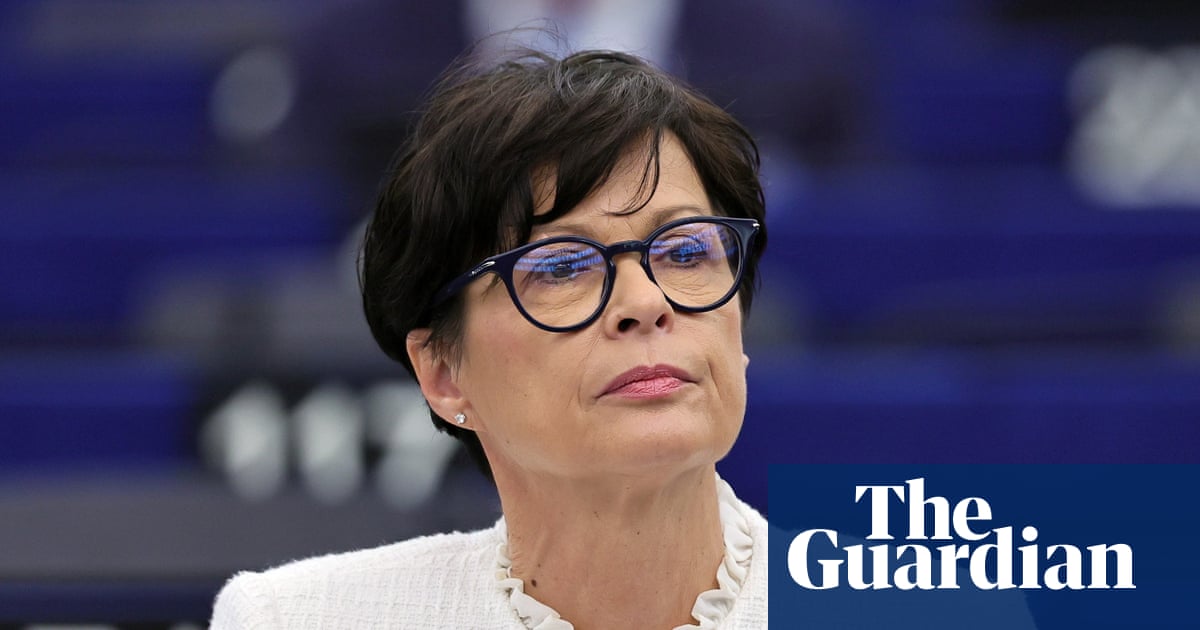
A legal challenge has emerged regarding the leadership of the investigation into an alleged gang rape at Cornell University. A defense attorney representing one of the seven men accused in the case has formally requested that New York Attorney General Letitia James remove herself from her role as special prosecutor. The request centers on concerns about impartiality, specifically pointing to public comments James made before her official appointment to the case.
The controversy stems from a social media post published by James on September 28. In the message, she described the ordeal faced by the survivor as horrific and unacceptable. She also offered solidarity to survivors, stating that they are not alone and that officials stand with them. The defense lawyer argues that these expressions of sympathy create an unavoidable question regarding the integrity and independence of the ongoing investigation.
In a statement provided to media outlets, the attorney clarified that the request for recusal is not an accusation of corruption or bad faith on James’s part. The lawyer emphasized that no court has ruled James legally disqualified. Instead, the argument rests on the narrower point that voluntary withdrawal would eliminate doubts about the investigation’s neutrality. The statement suggested that independently evaluating evidence requires a posture free from prior public endorsements of one side.
Governor Kathy Hochul appointed James to lead the probe last week. The special prosecutor’s mandate includes examining how law enforcement and university officials initially responded to the allegations made by the woman identified in lawsuits as Jane Doe. During a recent news conference, Hochul addressed questions about potential bias. She maintained that James would follow the facts wherever they lead, pursuing charges only if the evidence supports them.
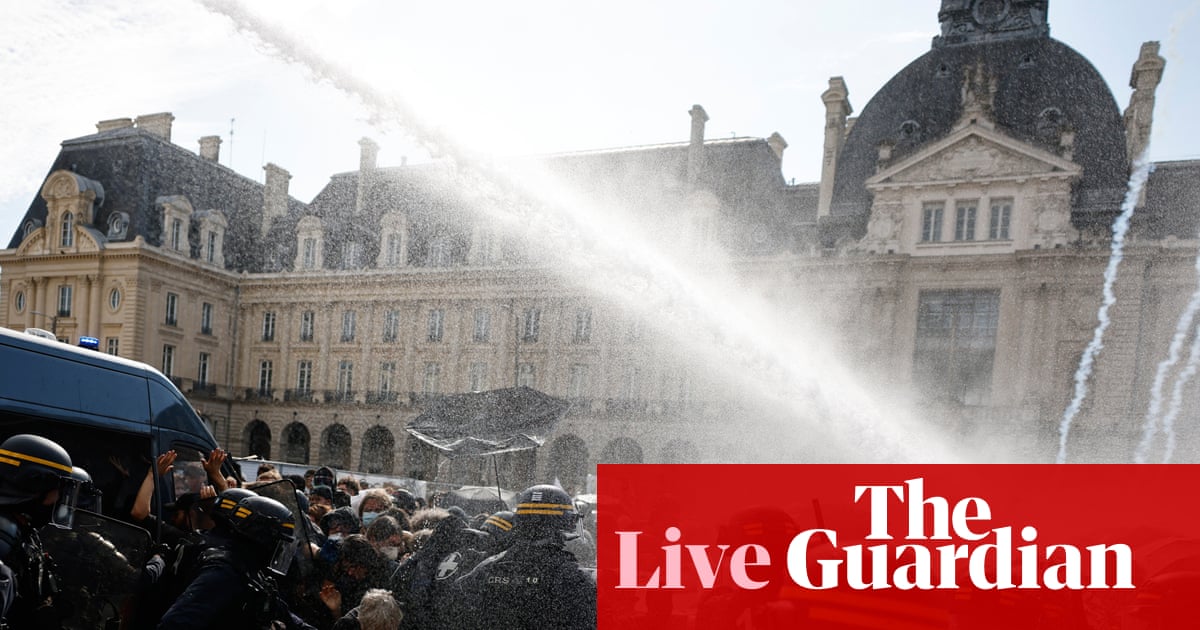
The legal maneuvering occurs against a backdrop of intense campus unrest. Allegations detailed in a lawsuit have shaken the university community in New York State. The suit accuses seven men of drugging and raping Jane Doe for several hours at a fraternity party. It also alleges that university administrators failed to protect her during the incident. These claims have sparked anger across the country, with hundreds of students and faculty members gathering on campus to protest.
Internal pressure on Cornell’s leadership is mounting through formal channels. The university’s Faculty Senate, a governing body composed of professors and academic staff, is scheduled to vote on a resolution of no confidence next week. Reports indicate that this vote would serve as a largely symbolic gesture. However, it signals broad discontent among faculty members and applies significant pressure on administration to address the alleged mishandling of the October 2024 incident.
The case has reopened scrutiny over how institutions handle sexual violence allegations. The initial response by both law enforcement and university officials is now under formal review. The defense’s challenge to James’s role highlights the tension between public empathy for survivors and the procedural requirements for impartial legal proceedings. Whether James recuses herself or remains in charge will likely become a focal point in the coming weeks.
Cornell University has not yet issued a detailed response to the specific request for recusal. The BBC reached out to university officials for comment regarding the developing situation. Meanwhile, the Faculty Senate vote looms as a key indicator of institutional morale. A majority vote against confidence would underscore the depth of frustration within the academic community, even if it does not carry binding legal weight.
As the investigation proceeds, all parties are watching closely. The defense team’s strategy appears to include testing the procedural foundations of the prosecution. Conversely, state officials are emphasizing their commitment to a thorough and fact-based inquiry. The outcome of these early procedural battles may set the tone for how the case unfolds in court and how the university manages its internal governance crisis.
The broader implications extend beyond this single incident. The situation at Cornell reflects national debates about accountability, transparency, and the role of public officials in high-profile criminal cases. Whether James stays or steps aside, the investigation will continue to draw attention to the intersection of legal process, institutional responsibility, and public sentiment.
Sources behind this briefing
Go to the original reporting
- BBC World↗Defence lawyer in Cornell University case calls for special prosecutor to be removed