The short version
- Thousands of students have barricaded schools nationwide to protest funding disparities and poor conditions, marking one of the largest youth movements in decades.
- Government data indicates over five thousand arrests since the unrest began, with the vast majority involving minors, alongside reports of significant injuries to both protesters and police.
- Multiple investigations are underway into allegations of excessive force by riot police, including severe injuries sustained by teenagers during clashes.
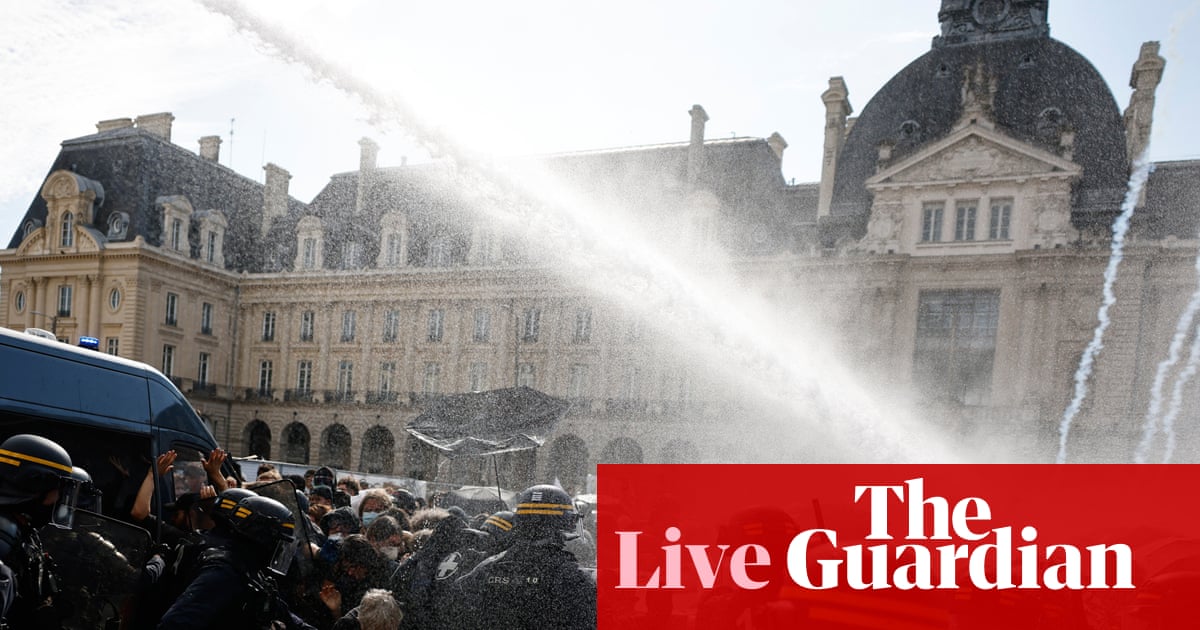
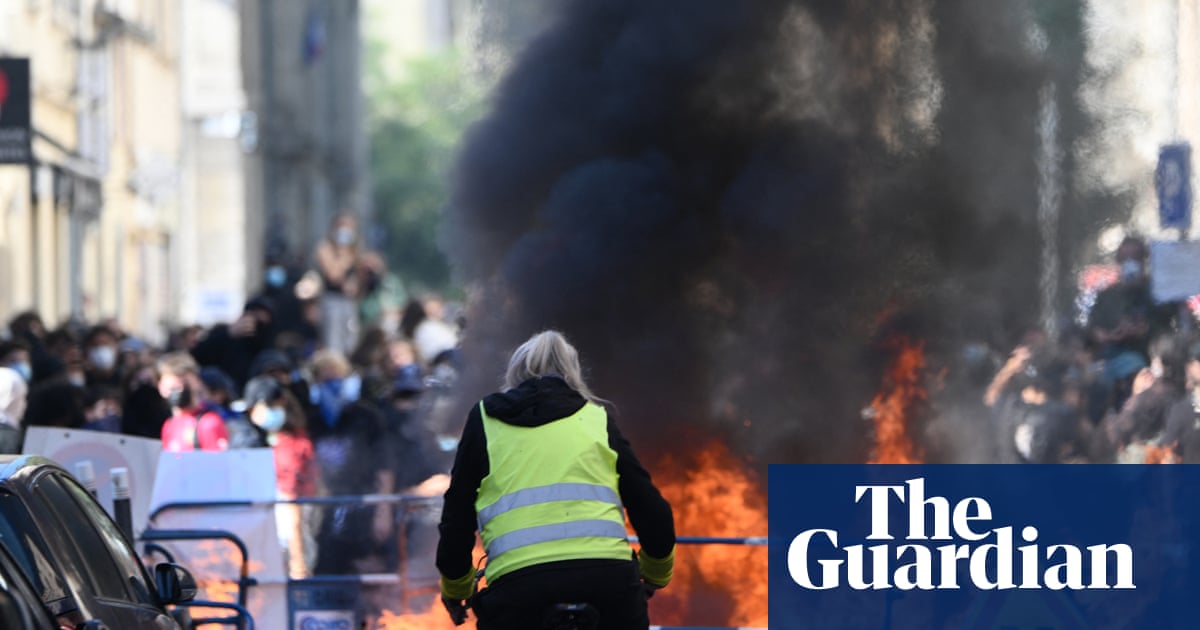
A widespread student protest movement has erupted across France, transforming from localized demonstrations in low-income suburbs into a national crisis that has forced the closure of hundreds of secondary schools. The unrest, which began outside individual institutions, has rapidly expanded as teenagers construct barricades using wheelie bins and metal barriers to block access to their campuses. Participants cite systemic issues within the French education system, including chronic teacher shortages, deteriorating infrastructure, and overcrowded classrooms, as primary drivers for their actions.
The scale of the disruption has caught government officials off guard. According to figures released by the justice ministry, more than 5,060 individuals have been arrested since the protests commenced. Notably, 87 percent of those detained are minors. The ministry also reported that over 1,800 people have faced prosecution, including 1,483 young people, although specific charges were not detailed in the initial release. Of these cases, 790 have been dismissed. Additionally, authorities confirmed that 24 schools suffered damage from fires or looting during the disturbances.
Tensions between demonstrators and law enforcement have intensified significantly. Government statistics indicate that at least 215 teenagers, 715 police officers, and 85 teaching staff members have sustained injuries in recent days. Human rights organizations and student advocates have accused riot police of employing disproportionate force against children. Several investigations are currently under way to examine allegations of police brutality, focusing on incidents where weapons were allegedly used against minors.
Reports of severe injuries among young protesters have drawn particular attention. Among the cases being reviewed is that of a 15-year-old who lost a hand, another teenager who suffered the loss of an eye, and a boy whose jaw and teeth were shattered, leaving him unable to eat solid food while hospitalized. These incidents have fueled accusations from students that the state is engaging in institutionalized violence against youth. Protesters argue that the mismatch between unarmed teenagers and heavily equipped police units creates an inherently dangerous environment.
Despite the violent clashes, many participants emphasize their desire for peaceful expression. Students holding signs and banners have called for greater funding and equality in schools, rejecting the notion that they are there to riot. Some demonstrators have highlighted the disparity in opportunities between students in central Paris and those in the outer suburbs, arguing that the education system fails to act as a great equalizer. Parents of some protesters have expressed support for their children’s involvement, though many remain concerned about the heavy-handed tactics employed by security forces.
The movement has garnered solidarity from educators and community members. Teachers at affected schools have noted the unprecedented nature of the protests, with some planning to join demonstrations in support of their students. There is a reported sense of unity among teenagers across different socioeconomic backgrounds, challenging perceptions of generational selfishness. Tens of thousands of students, trade unionists, and parents are expected to participate in coordinated marches in major cities including Paris, Toulouse, Nice, and Bordeaux.
Political implications of the unrest are also emerging. Demonstrators have chanted against Marine Le Pen, a far-right candidate who is polling highly ahead of the 2027 presidential election. With President Emmanuel Macron stepping down after a decade in office, many young people view the protests as a stand against the growth of right-wing politics and anti-immigration rhetoric. The combination of educational grievances and political anxiety suggests that the movement may persist beyond immediate demands for school funding.
As riot police remain on high alert, the situation continues to evolve with uncertainty regarding its duration and outcome. While some cases have been dismissed by authorities, the high number of arrests and prosecutions of minors raises questions about the long-term impact on these young people. The government faces mounting pressure to address both the root causes of the educational discontent and the methods used to manage the protests. Whether this movement will lead to substantive policy changes or remain a symptom of deeper societal fractures remains unclear.
Sources behind this briefing
Go to the original reporting
- The Guardian World↗‘This is state violence’: Paris students rage at politicians and heavy-handed policing