The short version
- A recent study places Bolotana second globally for female longevity rates among those reaching age 70.
- The village’s demographic shift shows women significantly outnumbering men in the centenarian population.
- Researchers are investigating genetic, dietary, and social factors behind this specific trend.
A small mountain community in central Sardinia is drawing scientific attention for a demographic anomaly that could redefine how experts understand human longevity. Bolotana, a village with a population of roughly 2,200 residents, is being evaluated as a candidate for the world’s sixth blue zone. These geographic areas are defined by unusually high concentrations of people living to 100 or older. Unlike previous blue zones identified in Sardinia and elsewhere, which often featured male longevity, Bolotana is distinguished by a striking prevalence of female centenarians.
Data published last week in the journal Frontiers in Aging provides the statistical basis for this designation. Researchers from the University of Sassari and the University of Alabama at Birmingham found that 13.8 percent of women in Bolotana who reach age 70 go on to live to 100. This rate places the village second only to Hong Kong in terms of female longevity. The study highlights a significant deviation from national norms, with local longevity rates sitting 57 percent higher than the Italian average for individuals born between 1900 and 1925.
The shift in Bolotana’s demographic profile appears to have occurred during the early 20th century. Historical records indicate that men previously outnumbered women among the elderly population. However, a reversal took place, leading to a scenario where female centenarians now far exceed their male counterparts. The last recorded male centenarian in the village passed away recently, underscoring the gender-specific nature of this longevity trend. Scientists are now working to determine whether genetic predispositions or environmental factors drive this disparity.
Local cultural associations played a key role in uncovering these patterns. Tore Pedde, president of the Orminas association, spent considerable time analyzing demographic archives and tracking down residents who had moved overseas. His efforts helped establish the baseline data that prompted the academic study. The identification of Bolotana as a potential blue zone adds to the growing body of research on aging, particularly in regions where traditional lifestyles may intersect with modern healthcare access.
The women at the center of this phenomenon exhibit distinct lifestyle characteristics that researchers are examining closely. Many maintain high levels of independence and physical activity well into their ninth decade. For example, some continue to shop for groceries, navigate steep village streets, and engage in regular exercise routines. Their diets are described as varied but clean, including meat, cheese, and wine, rather than adhering to strict restrictive regimens. This challenges some conventional wisdom about the specific dietary requirements for extreme longevity.
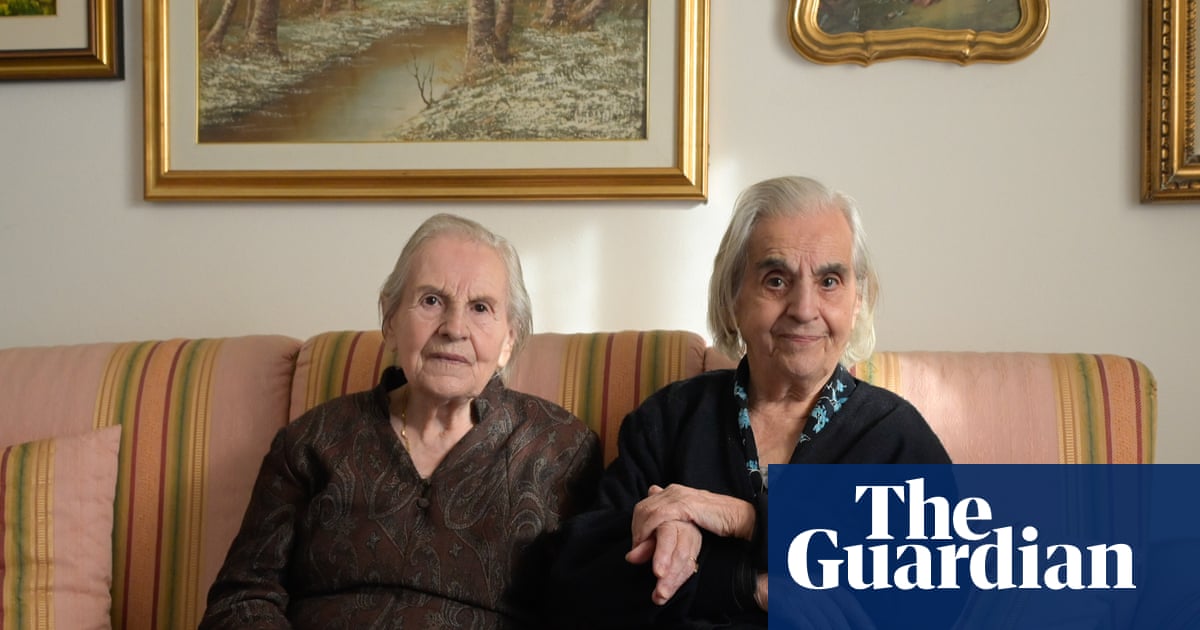
Social connections appear to be another critical component of life in Bolotana. Several centenarians maintain close ties with siblings or childhood friends, often living nearby or communicating frequently. The Marras sisters, aged 101 and 99, run a household together and remain socially active. Their independence is notable; neither married, and they built successful careers before retiring to travel. This sense of autonomy and purpose may contribute to their sustained mental and physical health.
Mental engagement also seems prevalent among the village’s oldest residents. One former teacher began learning German in her 90s and remained a voracious reader until vision problems intervened. Another centenarian continues to smoke, dismissing health concerns with a pragmatic attitude toward her habits. These individual variations suggest that there is no single formula for longevity in Bolotana. Instead, a combination of resilience, social integration, and physical activity may be at play.
The location of Bolotana offers additional context for researchers. Situated in the Marghine mountains, it is relatively close to larger cities like Sassari and Alghero. This proximity may provide better access to medical care compared to more isolated rural areas. Giovanni Mario Pes, a co-creator of the blue zone concept and lead researcher on the study, noted that explaining why longevity specifically affects women in this region is a new challenge for the field.
As more residents approach their 100th birthdays, including two expected later this year and others in 2027, the dataset will continue to grow. The findings from Bolotana could influence public health strategies aimed at supporting aging populations. By understanding the unique factors that contribute to female longevity in this specific environment, scientists hope to identify replicable elements that can benefit broader communities.
The recognition of Bolotana as a potential blue zone marks a significant development in gerontology. It shifts the focus from general longevity to gender-specific outcomes and highlights the importance of social and environmental contexts. As research progresses, the village serves as a living laboratory for studying the complex interplay between biology, lifestyle, and community structure in extending human life.
Sources behind this briefing
Go to the original reporting
- The Guardian World↗Is sisterhood the secret to a long life? The Sardinian village that could hold key to women’s longevity