The short version
- A recent study indicates that one in six female Members of the European Parliament has been targeted by non-consensual sexualized AI content.
- Legislators argue that a scheduled ban on undressing apps lacks sufficient enforcement tools to prevent continued abuse and humiliation.
- Advocates describe the phenomenon as digital violence that threatens democratic participation by creating a hostile environment for women in public office.
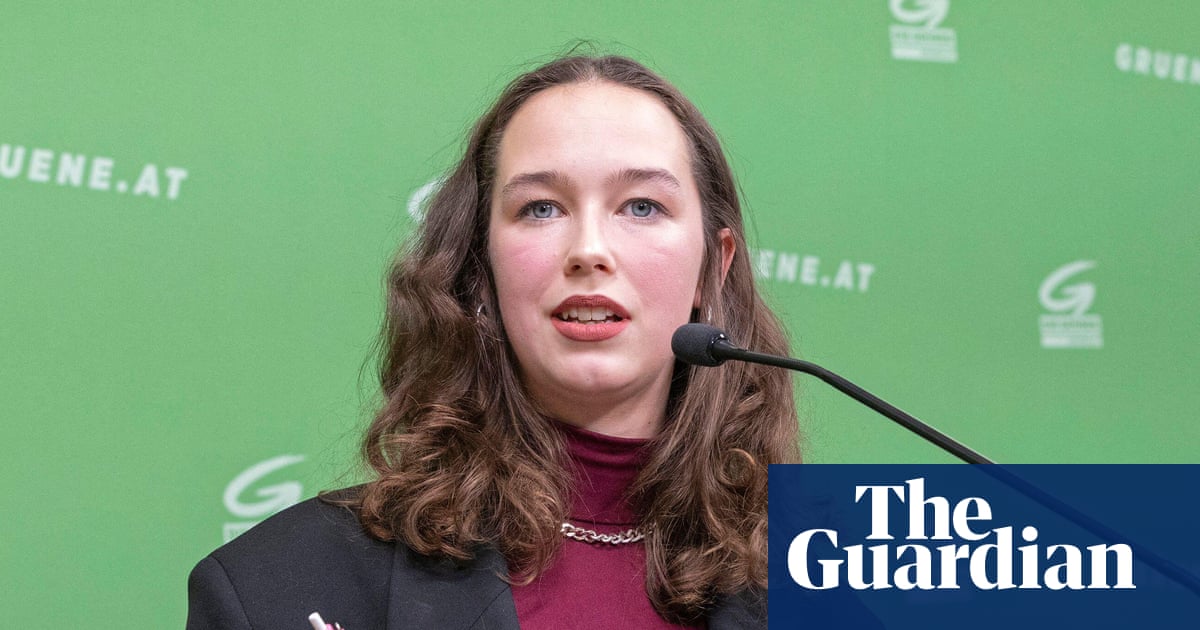
A significant push for stronger regulatory enforcement is emerging within the European Union following revelations about the widespread use of artificial intelligence to create non-consensual sexual imagery of female politicians. The movement gained momentum after Lena Schilling, an Austrian member of the European Parliament representing the Green party, publicly disclosed that she had been subjected to such digital manipulation. Her decision to speak out highlights a growing concern among lawmakers that existing legal frameworks are insufficient to protect public figures from this specific form of online harassment.
Schilling reported discovering the altered images last month, which depicted her in a nude state during what was originally a standard press conference appearance. The digital alterations removed her clothing from footage of one of her earliest media engagements, transforming a professional moment into a tool for humiliation. She described the experience as deeply distressing, noting the contrast between her initial nervousness and preparation for the event and the subsequent malicious use of that image to harm her reputation.
The incident is part of a broader pattern identified by Agora Digitale Transformation, a Berlin-based thinktank that alerted Schilling to the circulation of these files. Their analysis found that fifty members of the European Parliament had been targeted by sexualized deepfakes, with forty-six of those victims being women. This data underscores a systemic issue where female politicians are disproportionately exposed to digital violence compared to their male counterparts.
Earlier research from the same organization expanded the scope of this problem beyond the EU parliament, finding that one hundred thirty-eight female legislators across twenty-two European Union countries had faced similar attacks. The statistics reveal a stark disparity in risk, with women being thirty-three times more likely than men to be depicted in or associated with deepfake pornography. These findings suggest that the threat is not isolated but rather a coordinated challenge to the safety of women in political roles.
Schilling and other affected lawmakers characterize these images as a form of digital violence that exacerbates the existing burden of sexist abuse faced by women in public life. The psychological impact extends beyond individual victims, potentially discouraging future candidates from entering politics due to fear of similar harassment. The argument is that if public service becomes synonymous with the risk of sexualized digital assault, the diversity and robustness of democratic representation will suffer.
In response to these challenges, Schilling joined forces with German Green MEP Terry Reintke to draft a letter signed by one hundred nineteen parliamentarians. The correspondence urges EU officials to ensure that the upcoming prohibition on applications designed to undress women is accompanied by effective enforcement mechanisms. The ban, scheduled to take effect across the union on December 2, aims to curb the availability of 'nudifier' apps that allow users to strip clothing from photos with a single click.
The lawmakers emphasize that a legislative ban without practical enforcement capabilities offers little protection to victims. They point out that many of these applications continue to operate through loopholes or workarounds, allowing the technology to remain accessible despite regulatory intentions. The letter argues that the primary purpose of such tools is the humiliation and control of women’s bodies, which directly contributes to a more hostile environment for female politicians.
Schilling noted that while she has spoken with other targeted MEPs, many remain hesitant to come forward due to fear or shame. She aims to change this narrative by asserting that victims have done nothing wrong and that the misuse of their images is a crime that requires systemic intervention. Her public stance is intended to pressure national authorities to close technical gaps and hold technology companies accountable for business models that profit from digital violence.
The ultimate goal of this advocacy effort is to create a political landscape where women can run for office without the constant threat of being digitally undressed against their will. Lawmakers are calling for member states to actively monitor and shut down platforms that facilitate this abuse, ensuring that the new regulations translate into tangible safety measures rather than symbolic gestures.
As the December deadline approaches, the focus remains on bridging the gap between policy and practice. The coalition of MEPs insists that without robust enforcement, the ban will fail to deter perpetrators or protect victims. Their campaign seeks to redefine digital harassment as a serious threat to democracy, requiring urgent and coordinated action from both EU institutions and national governments.
Sources behind this briefing
Go to the original reporting
- The Guardian World↗‘I felt disgusted’: MEP speaks out over nude deepfakes and urges EU action