The short version
- A Queensland corrective services spokesperson confirmed an Aboriginal woman was shackled during labor and delivery, triggering an internal review of the incident.
- The event occurred shortly after Labor and Coalition senators voted against a bill introduced by independent senator Lidia Thorpe to ban restraining pregnant prisoners.
- Advocacy groups argue the practice violates international standards and causes severe health deterioration, while officials maintain restraints are a last resort for safety.
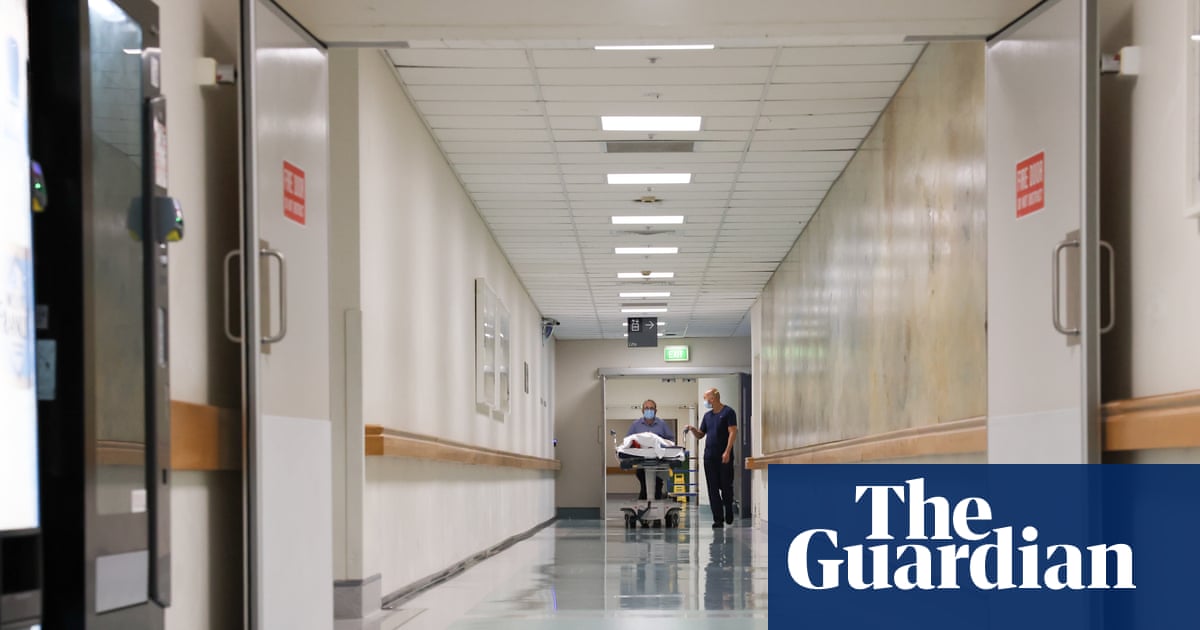
An incarcerated Aboriginal woman in Queensland was restrained to a hospital bed while in labor and during childbirth last weekend, according to advocacy group Sisters Inside. The incident has drawn sharp criticism from human rights advocates and politicians who argue that the practice is inhumane and unnecessary. The timing of the birth is particularly notable as it occurred just days after federal lawmakers from both the Labor Party and the Coalition blocked a legislative proposal aimed at banning the restraint of pregnant prisoners during delivery.
Debbie Kilroy, chief executive officer of Sisters Inside, stated that hospital staff contacted her organization after exhausting all efforts to have the shackles removed. She reported that medical personnel were distressed by the situation, with some crying because prison officials refused to release the restraints. The woman underwent a caesarean section and delivered a premature baby. Kilroy noted that the patient had been restrained intermittently since arriving at the hospital and that her health began to deteriorate rapidly once the shackles were applied.
A spokesperson for Queensland Corrective Services confirmed that the woman was indeed shackled while in labor. The agency stated that the incident would undergo an internal review, emphasizing that restraints are intended only as a last resort when necessary to maintain public safety. The spokesperson did not provide specific details regarding the security assessment that led to the decision to restrain this particular prisoner, but affirmed that protocols were followed according to current state guidelines.
The federal political response to the incident highlights a significant divide in how national and state responsibilities are viewed regarding prison conditions. Independent senator Lidia Thorpe introduced bills to the Senate this week seeking to ban shackling during childbirth and to prohibit strip-searching children. Thorpe, who identifies as Gunnai, Gunditjmara, and Djab Wurrung, argued that the federal government has the constitutional authority to establish national standards for such practices but has chosen not to exercise it.
Despite Thorpe’s efforts, the Labor and Coalition parties voted against the bill. The government maintained that criminal justice matters fall under the jurisdiction of states and territories rather than the Commonwealth. The Coalition expressed understanding of the bill’s intent but declined to support its passage. This stance has been criticized by advocates as a failure to address systemic issues that persist across different jurisdictions, with Thorpe describing the federal inaction as allowing barbaric practices to continue unchecked.
International obligations add another layer of complexity to the debate. Australia is a signatory to the United Nations Bangkok Rules on the Treatment of Women Deprived of Liberty. These guidelines specify that imprisonment should be a last resort for pregnant women and explicitly state that instruments of restraint must never be used during labor, birth, or immediately after. Critics argue that the current practices in Queensland and other states are in direct conflict with these international commitments.
Senator Paul Scarr of the Queensland Liberal Party broke ranks with his party’s position, expressing deep concern about the practice. He indicated he would raise the issue with the Queensland attorney general to seek clarification on how such incidents are prevented. This dissenting voice within the Coalition underscores the growing unease among some politicians regarding the treatment of incarcerated women, even as the broader legislative effort stalled.
The human cost of these policies was highlighted during an inquiry into Thorpe’s bill, where testimony described women being shackled by one arm and one leg, leaving them with only one free limb to hold their newborns. Kilroy emphasized that the woman in Queensland was not violent nor attempting to escape, yet her health spiraled due to the stress of restraint. Advocates are calling for immediate federal intervention to set a uniform standard that prioritizes maternal and infant safety over security concerns.
As the internal review proceeds in Queensland, the national debate continues without legislative resolution. The failure to pass the ban leaves individual states responsible for determining their own protocols, resulting in inconsistent protections for pregnant prisoners. Advocacy groups warn that without federal standards, similar incidents are likely to recur, placing both mothers and babies at risk during one of the most vulnerable moments of their lives.
The coming weeks will likely see increased scrutiny of Queensland’s corrective services policies as the internal review concludes. Meanwhile, Senator Thorpe and other advocates plan to continue pushing for national legislation, arguing that the current patchwork of state laws is insufficient to protect human rights. The incident serves as a stark reminder of the ongoing challenges in aligning domestic prison practices with international human rights norms.
Sources behind this briefing
Go to the original reporting
- The Guardian World↗Indigenous woman shackled to hospital bed while in labour in Queensland