The short version
- More than one-third of post offices located within TG Jones stores are scheduled to close by early 2027 following the retailer's acquisition and restructuring by Modella.
- The closures coincide with similar reductions in Morrisons Daily convenience stores, compounding concerns about reduced access to essential banking and government services in certain regions.
- While the state-owned Post Office claims it is seeking new operators for every closing site, union leaders argue the trend reflects a broader strategy of cost-cutting that harms community infrastructure.
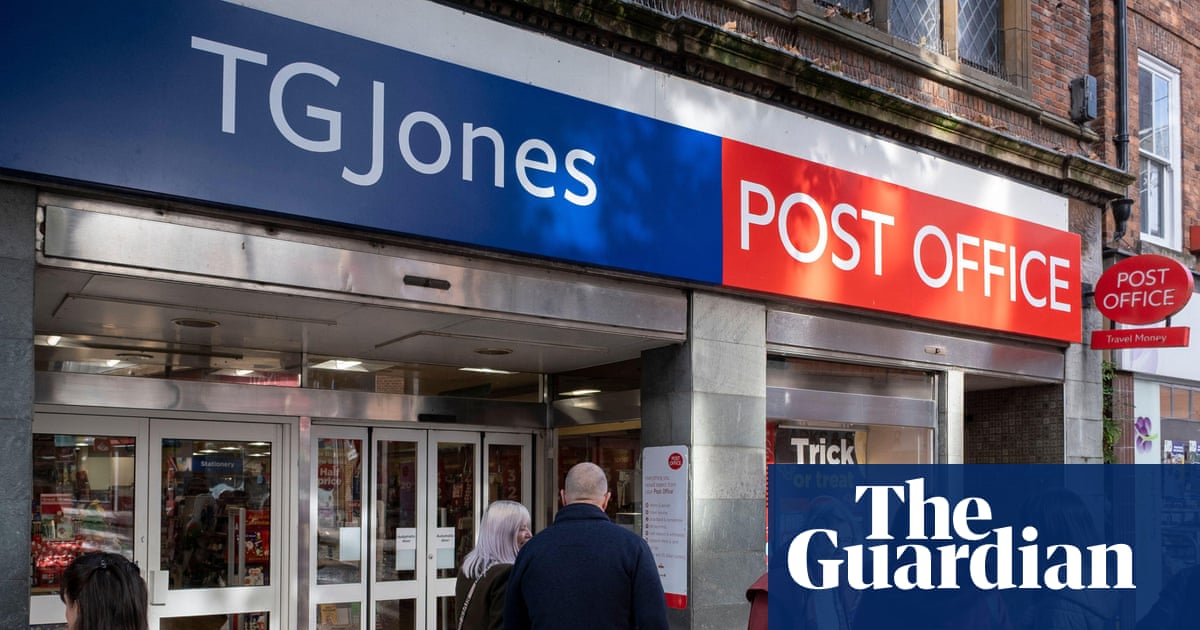
A significant contraction in the United Kingdom’s retail post office network is underway as the troubled TG Jones chain prepares to shutter more than a third of its branches containing postal services by early 2027. The closures are part of a broader restructuring effort following the private equity firm Modella’s acquisition of the retailer, formerly known as WH Smith. According to records analyzed by The Guardian, thirty-six branches have already closed this year, with an additional thirty-four slated for closure in the coming months. This development raises urgent questions about the accessibility of essential public services in towns and city centers that rely on these high street locations.
The scale of the reduction is substantial relative to the chain’s previous footprint. Before creditors approved Modella’s restructuring plan in July, the company operated approximately 180 post offices. Industry observers had feared up to sixty might close under the new ownership structure. However, the actual impact appears more severe, with up to 150 of the 450 stores acquired by Modella expected to shut down entirely. Of these, roughly 65 have already ceased operations, and at least 46 more are scheduled to close early next year. This total includes seventy locations that housed post offices, representing a significant loss of physical access points for residents.
Geographic disparities in service availability are emerging as specific regions face disproportionate losses. Areas such as Essex, the West Midlands, Wales, Suffolk, and Hertfordshire have been identified as particularly hard hit. In Essex alone, six post offices within TG Jones stores are set to close, including sites in Clacton-on-Sea and Brentwood scheduled for January shutdowns. Other towns, including Stevenage, Bracknell, Orpington, Hull, and York, are each losing two post offices within a short timeframe. Telford is expected to lose its final remaining branch in January, leaving the town without any local postal facilities.
These closures do not occur in isolation but rather as part of a wider trend of retail consolidation and service reduction across the UK high street. Earlier this year, Morrisons announced plans to close fifty-two post offices located within its Daily convenience stores, some of which are situated near TG Jones sites. This move is part of a larger strategy by the supermarket chain to eliminate one hundred loss-making small stores. The simultaneous reduction in postal services from two major retail players intensifies fears that certain communities will become “postal deserts,” lacking convenient access to basic administrative and financial services.
The significance of these closures extends beyond inconvenience, touching on the economic health of local businesses. Evidence presented to a parliamentary inquiry highlighted that nearly one-third of small and medium-sized enterprises use their local post office at least once a week, while more than half utilize the network monthly. Many business owners report that losing this access could threaten their viability within months. The Post Office itself has acknowledged its critical role in maintaining essential services, particularly after the closure of over 6,800 bank branches across the country. Currently, post office operators run 250 banking hubs that combine services for multiple brands, serving as a vital lifeline for unbanked or underbanked populations.
The state-owned Post Office has stated it is actively working to mitigate the impact of these closures by seeking new operators for affected locations. Officials claim there is interest in taking on every site where a closure has been confirmed, with some locations receiving over forty applications from existing postmasters who recognize the footfall benefits of hosting postal services. Temporary branches are planned for Maidenhead and Uxbridge, and a permanent replacement for Ipswich is set to open in November. However, progress has been slow; so far, only Stirling has successfully reopened after a TG Jones closure, suggesting that finding suitable replacements is more challenging than anticipated.
Labor unions have criticized the trajectory of these changes, framing them as part of a long-term strategy focused on cost reduction rather than community support. Mole Meade, a senior member of the Communication Workers Union, described the closures as evidence of a profit-driven approach that disregards the needs of dependent communities. The union argues that the Post Office should prioritize protecting and expanding access to services rather than presiding over a continued reduction of the network. This perspective highlights the tension between commercial viability and public service obligations in an era of shrinking high street retail.
The broader context includes the ongoing fallout from the Horizon IT scandal, which has left the state-owned Post Office grappling with reputational and operational challenges. The company announced the closure of more than 100 branches in late 2024, indicating a pre-existing trend of network reduction before the TG Jones restructuring began. It is worth noting that WH Smith travel stores located in railway stations, hospitals, and airports were not part of the Modella deal and remain under the ownership of their original stock market-listed parent company. These locations may continue to offer postal services, but they do not address the gap left by high street closures in residential areas.
As the timeline for these closures approaches, the focus shifts to whether alternative arrangements can effectively replace the lost infrastructure. The success of temporary branches and new operator applications will determine whether communities face prolonged periods without service. If replacements fail to materialize quickly, the cumulative effect of retail-driven postal reductions could reshape how residents access government and financial services, potentially deepening inequalities in regions already struggling with economic decline. The situation underscores the fragility of public service delivery when tied to volatile private sector partnerships.
Sources behind this briefing
Go to the original reporting
- The Guardian World↗More than third of post offices in TG Jones stores to shut by early 2027