The short version
- Recent surveys indicate Republicans have lost significant ground to Democrats on voter trust regarding the economy and immigration.
- Campaign efforts increasingly emphasize external threats and ideological attacks rather than addressing domestic policy concerns or economic conditions.
- Voters across different regions cite diverse priorities, including cost of living, labor rights, and immigration enforcement, complicating a unified party message.
As the midterm elections approach, the political landscape in the United States is defined by a growing disconnect between the administration’s narrative and voter sentiment. Recent polling data reveals a significant shift in public trust, with Republicans losing ground on issues that have traditionally bolstered their support. The governing party faces a challenging final stretch, characterized not by policy reassurance but by a strategic pivot toward distraction and ideological confrontation.
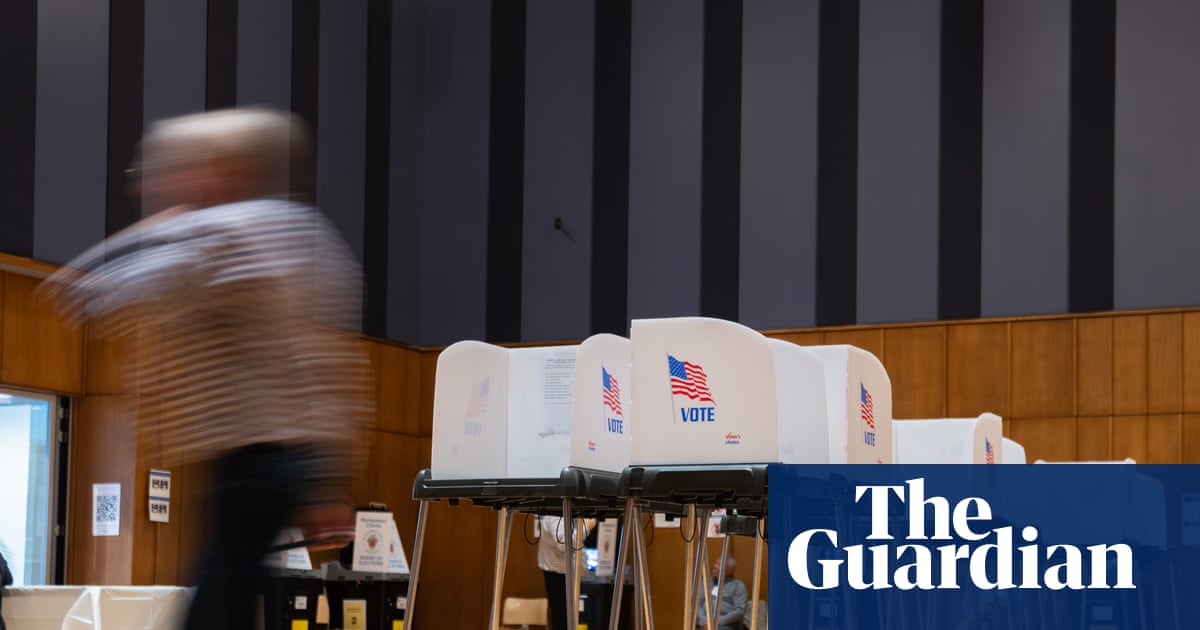
A comprehensive survey conducted by the Washington Post, ABC News, and Ipsos highlights the depth of this erosion. When presented with a range of issues including affordability, corruption, taxes, and social matters, respondents overwhelmingly expressed greater confidence in Democrats to handle them effectively. The only exception was crime, where Republicans retained a slight edge. This broad-based loss of trust suggests that the administration’s messaging is failing to resonate across multiple policy domains.
The economy remains a central concern for many voters, yet Republican standing on this issue has deteriorated markedly over the past six months. In April, the party held a narrow one-point lead over Democrats on economic management. By late October, that advantage had reversed into a nine-point deficit. This shift occurs despite White House claims of a new era of prosperity, indicating that everyday financial pressures are outweighing official optimistic rhetoric for a significant portion of the electorate.
Immigration policy, which has been a cornerstone of the current administration’s agenda, also shows signs of weakening support. Earlier in the year, Republicans held a five-point lead on this issue. However, following nearly two years of strict enforcement measures described by critics as brutal and controversial, Democrats have gained a two-point advantage. This reversal underscores the difficulty of maintaining momentum on hardline policies when they fail to deliver perceived security or stability to voters.
The diversity of voter concerns further complicates the Republican strategy. The American electorate is not monolithic; priorities vary significantly by region and demographic. In Detroit, economic malaise dominates the conversation for some voters. In Texas, labor issues take precedence. In Georgia, the administration’s immigration crackdown is a primary driver of political engagement. Building a winning coalition requires addressing these disparate concerns, a task that becomes more difficult when the party’s national message focuses on deflection rather than direct engagement.
In response to these polling headwinds, senior Republican figures have embarked on extensive travel schedules across key battleground states. The president and Vice President JD Vance have visited multiple states in quick succession, including Kansas, North Carolina, South Carolina, Iowa, Florida, Georgia, and Michigan. While such tours are conventional for midterm campaigns, the content of these visits diverges from traditional reassurance tactics. Instead of acknowledging policy shortcomings or offering detailed plans to address voter anxieties, the campaign has emphasized ideological battles and external threats.
This strategy includes reviving fears of communist influence within the Democratic Party and launching personal attacks on political opponents. In September, the administration proposed a five-thousand-dollar dividend for citizens, a move widely criticized as an election-year bribe rather than a substantive economic policy. More recently, attention has shifted to international conflicts, with the president pivoting from Iran to Ukraine. This includes controversial moves such as pausing sanctions on Russia and suggesting that Ukrainian President Volodymyr Zelenskyy should step down, actions that appear designed to generate headlines rather than resolve domestic issues.
The effectiveness of this distraction tactic remains uncertain. While it may energize the party base, it risks alienating moderate voters who are focused on tangible outcomes like cost of living and healthcare. In Kansas, a historically Republican stronghold, Democratic candidate Adam Hamilton has gained traction by advocating for a reduction in political polarization. His potential lead in recent polls suggests that some voters are receptive to a more conciliatory approach. As election day nears, the question remains whether the governing party can overcome its declining trust metrics or if the focus on controversy will ultimately hinder its electoral prospects.
The coming days will likely see an intensification of these competing narratives. Republicans must decide whether to double down on their current strategy of highlighting external threats and ideological purity or attempt to re-engage with voters on the practical issues that dominate daily life. The polling data suggests that the latter approach may be necessary to reverse the trend of declining support. However, the entrenched nature of the current campaign rhetoric makes a sudden shift unlikely, leaving the outcome of the midterms increasingly dependent on which voter concerns prove most decisive at the ballot box.
Sources behind this briefing
Go to the original reporting
- The Guardian World↗As midterms loom, Trump and his allies try to change the subject