The short version
- Foreign ministers from Europe and the Middle East warned that fresh attacks on Iran would escalate regional warfare and drive up oil prices.
- The summit participants demanded an end to Houthi attacks on Saudi Arabia and called for the immediate reopening of the Strait of Hormuz.
- This gathering marks a coordinated diplomatic push by nations previously sidelined in Middle Eastern crises to advocate for de-escalation through dialogue.
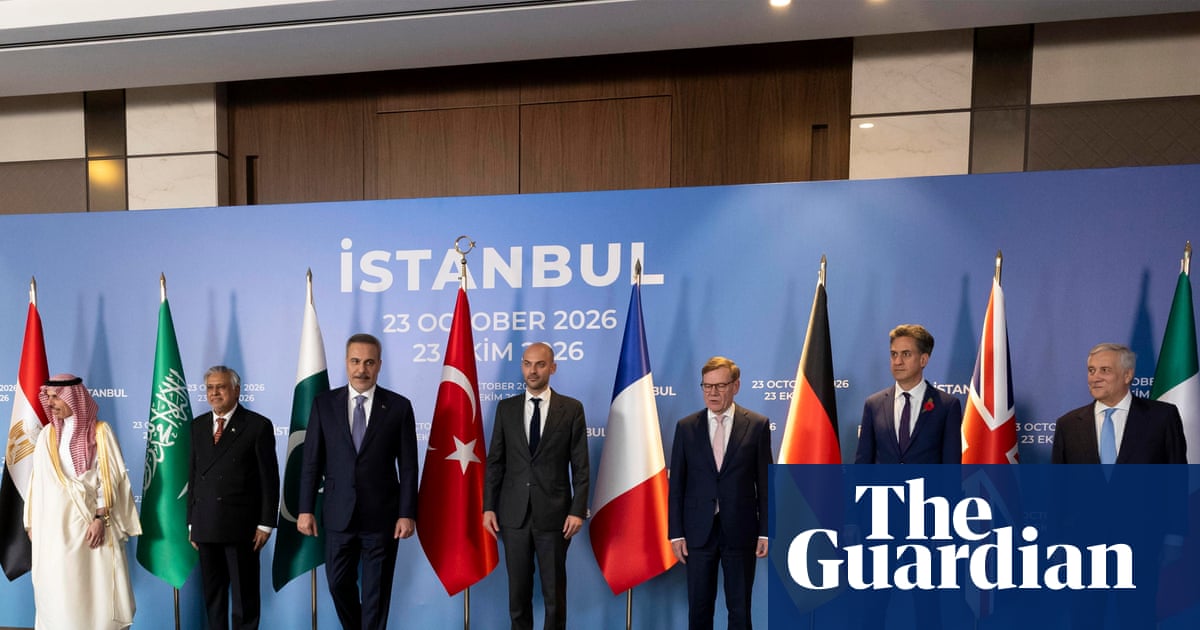
A coalition of foreign ministers from eight European and Middle Eastern nations has issued a unified warning against any new military strikes on Iran, arguing that such actions would dangerously expand the ongoing regional conflict. The group convened in Istanbul for an unprecedented summit designed to promote diplomatic solutions amid escalating tensions between Washington, Jerusalem, and Tehran. Participants emphasized that a return to kinetic warfare would not only prolong instability but also exacerbate economic pressures globally, particularly through volatile energy markets.
The gathering represents a significant shift in diplomatic engagement, bringing together countries that have largely been excluded from direct decision-making regarding the Middle East crisis. Turkey and Germany initiated the meeting, providing a platform for European leaders to voice concerns alongside regional powers. This coalition includes France, the United Kingdom, Italy, Egypt, Pakistan, and Saudi Arabia, reflecting a broad spectrum of geopolitical interests united by the desire to prevent further militarization. The summit underscores a growing frustration with the deadlock in nuclear negotiations and the perceived inadequacy of military options.
Hakan Fidan, Turkey’s foreign minister and joint convener of the Istanbul talks, stated clearly that military intervention offers no viable path forward. He argued that any new attack would inevitably spread the war across the region, a outcome all participating nations seek to avoid. The ministers collectively rejected the notion that force could resolve the underlying issues, instead advocating for renewed diplomatic efforts. This stance challenges the increasingly open discussions in Washington and Jerusalem regarding potential relaunching of strikes against Iranian targets.
Economic consequences were a central theme of the discussions, with several ministers highlighting the direct impact of regional instability on global markets. Jean-Noël Barrot, France’s foreign minister, noted that another conflict involving Iran and the United States would be detrimental to both parties while driving oil prices to new highs. Prices have already reached their peak since May, creating inflationary pressures that affect consumers worldwide. The ministers warned that continued hostilities would only deepen these economic strains, making diplomatic resolution not just a moral imperative but an economic necessity.
The summit also addressed specific security concerns in the region, including the blockade of the Strait of Hormuz by Iranian ships and drones. Ministers demanded an immediate end to this obstruction, which threatens global trade routes and energy supplies. Additionally, they called for a cessation of Houthi assaults on Saudi Arabia, which have targeted airports and energy infrastructure. These demands reflect a broader strategy to stabilize key chokepoints and protect commercial interests from the spillover effects of regional conflicts.
Germany’s Johann Wadephul emphasized the interconnected nature of these crises, noting that deadlocked conflicts are having tangible effects on the security and economy of their nations. He accused Iran and the Houthis of leveraging global trade for political gain, effectively strangling supplies of energy and fertilizer. Wadephul pointed out that the consequences are felt at petrol pumps and in supermarkets, with the added threat of famine in vulnerable regions. This perspective highlights the human cost of geopolitical maneuvering and the urgent need for solutions that prioritize civilian welfare.
Italy’s Antonio Tajani reinforced the call for dialogue, stating that military means alone cannot solve the problem. He argued that reopening the Strait of Hormuz is vital for economic stability and requires convincing Iran that its current tactics are unsustainable. The aim of the meeting was to foster de-escalation and guarantee freedom of navigation through diplomatic channels rather than force. This approach seeks to isolate aggressive behaviors while offering a path toward normalization, provided that all parties engage in good faith.
The composition of the summit reflects evolving alliances in the region, with Pakistan, Turkey, and Saudi Arabia having formed the Mecca defensive security pact earlier this year. Egypt may soon join this grouping, further solidifying regional cooperation. The agenda also touched on other pressing issues, including settlement expansion in Palestine, settler violence, and efforts to end the war in Ukraine. By addressing these interconnected challenges, the ministers aim to create a comprehensive framework for peace that extends beyond immediate crises to long-term stability.
As talks continue, the international community watches closely to see if this diplomatic initiative can influence the decisions of Washington and Jerusalem. The success of the Istanbul summit will depend on whether it can translate rhetoric into actionable policies that deter military escalation. With oil prices high and regional tensions simmering, the stakes are considerable. The coalition’s unified voice offers a counterweight to militaristic approaches, presenting a viable alternative focused on negotiation and de-escalation.
Sources behind this briefing
Go to the original reporting
- The Guardian World↗US and Israel are warned against launching fresh strikes on Iran