The short version
- Israeli leaders have ordered a significant military escalation in Hebron after two soldiers were killed in a roadside shooting.
- Ministers promised widespread home demolitions and forced evacuations, drawing comparisons to operations in Gaza and Jenin.
- Legal experts and human rights advocates argue these actions constitute illegal collective punishment, prompting urgent court interventions.
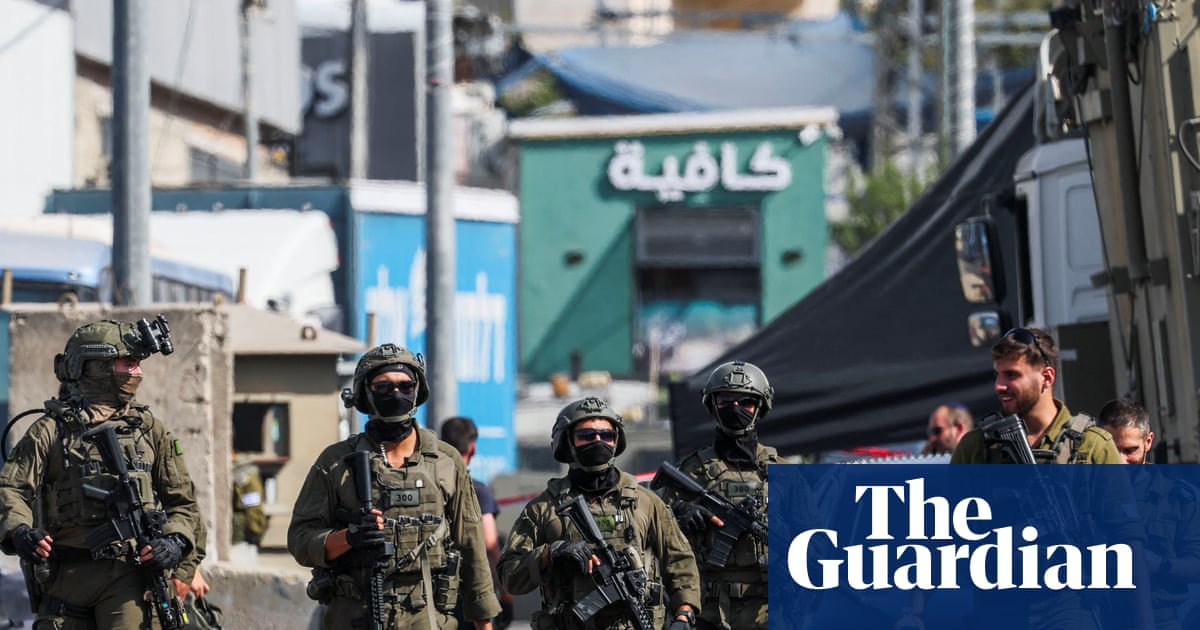
Israel has initiated a broad punitive campaign against Palestinian communities in Hebron following a deadly confrontation that left two Israeli soldiers dead and three others injured. The incident occurred near a temporary checkpoint outside the city when two men armed with an assault rifle and a handgun opened fire on security forces. After a twenty-minute exchange, the gunmen were killed. In response, Prime Minister Benjamin Netanyahu announced plans for what he described as the largest military operation in the West Bank since the 1967 occupation. He stated that while no specific date had been set, the operation was imminent and would involve extensive measures against the region.
Government officials have framed the response as a necessary deterrent, with several ministers rushing to the scene shortly after the shooting. Finance Minister Bezalel Smotrich posted video footage of himself standing before a bulldozer as it demolished a Palestinian home near the site of the firefight. He asserted that the structure lacked proper permits and that its destruction was intended to exact a price for the attack. Defense Minister Israel Katz expanded on this rhetoric, promising further mass demolitions and forced displacement. He explicitly compared the planned actions in Hebron to previous operations in the Jenin refugee camp and Gaza, stating that neighborhoods associated with the attackers would be evacuated of their residents.
The announcement comes at a politically sensitive moment, just days before national elections scheduled for Tuesday. The current far-right coalition, which has faced polling indicating a potential loss of its majority, appears to be leveraging the security crisis to bolster voter support. National Security Minister Itamar Ben-Gvir also traveled to Hebron, calling for the dismantling of the Palestinian Authority and imposing stricter restrictions on local governance. This escalation aligns with a broader pattern of increased settlement expansion and violence against Palestinians in the occupied territories since the Hamas-led attacks on October 7, 2023.
Legal challenges to the government’s immediate actions emerged quickly. Israel’s High Court issued a temporary order halting the demolitions shortly after they began. Human rights lawyer Mohammed Dahleh filed an urgent petition on behalf of nearby factory owners, arguing that the destruction violated both international law regarding collective punishment and Israeli administrative regulations. Dahleh characterized the events as an attempt to replicate illegal practices seen in Gaza within the heart of the West Bank, warning of efforts to wipe out entire areas similar to those observed in refugee camps.
Prominent Israeli legal figures have also criticized the government’s stance. Michael Sfard, a leading lawyer, described Smotrich’s public display as a direct admission that the demolitions were intended as collective punishment. He noted that using deterrence as a justification for such measures has historical precedents but remains legally contentious. The tension between security objectives and legal constraints highlights the complex environment in which Israeli officials are operating, balancing immediate political pressures with long-term judicial oversight.
The incident has also drawn attention to the safety of journalists covering the conflict. An AFP photographer who witnessed the gun battle documented the event while en route to another assignment. Following his coverage, conspiracy theories circulated among some Israeli political figures, including a candidate for the far-right Amcha Yisrael party, who groundlessly accused the journalist of having links to the gunmen. The Foreign Press Association condemned these claims as dangerous and defamatory, affirming the photographer’s professional conduct and courage in documenting the scene.
This episode occurs against a backdrop of heightened violence during the annual olive harvest, which began in late September. Settler militants have increasingly used force to prevent Palestinians from harvesting olives, a crop vital to their economic and cultural life. Since October 2023, more than 1,100 Palestinians have been killed in the West Bank by Israeli forces or settlers. The government’s current strategy appears to intensify this trend, with promises of expanded settlements and stricter control over Palestinian movement and property rights.
Hebron is the largest Palestinian city in the occupied West Bank, home to approximately 250,000 residents. The planned operation threatens to disrupt daily life for a significant portion of the population. While the government emphasizes security and deterrence, critics warn that mass displacement and destruction could exacerbate regional instability and deepen humanitarian concerns. As the election approaches, the outcome of this crisis may significantly influence the political landscape, potentially reshaping the coalition’s approach to occupation policies and conflict management.
International observers remain concerned about the implications of these actions for peace efforts and human rights standards. The combination of military escalation, legal challenges, and political maneuvering creates a volatile situation with far-reaching consequences. Residents of Hebron face uncertainty as authorities prepare for what could be a prolonged period of heightened security measures and social disruption. The coming days will likely reveal the extent to which judicial interventions can curb executive actions and protect civilian infrastructure.
As the situation develops, the focus remains on the balance between state security responses and the protection of civilian rights. The government’s commitment to large-scale operations contrasts with legal arguments against collective punishment, setting the stage for potential confrontations in both courtrooms and streets. With elections looming, political actors are likely to use this crisis to define their platforms, influencing future policies regarding the West Bank and relations with Palestinian authorities.
Sources behind this briefing
Go to the original reporting
- The Guardian World↗Israel launches collective punishment campaign in Hebron after two soldiers killed