The short version
- The U.S. Supreme Court declared Louisiana’s Sixth Congressional District unconstitutional, leading to a map that reduces the Black voting-age population from 53 percent to 25 percent.
- Rep. Cleo Fields, who grew up in the affected community of Scotlandville, announced he will not seek reelection and plans to return to state legislative office.
- The decision mirrors similar redistricting actions in Alabama and Tennessee, reflecting a broader shift in how minority representation is handled following the court’s ruling on Voting Rights Act provisions.
A recent U.S. Supreme Court decision has fundamentally altered the political landscape for Black voters in Louisiana, specifically within the Sixth Congressional District. The high court ruled that the district’s boundaries were unconstitutional, prompting state officials to redraw lines ahead of the upcoming midterm elections. This change significantly dilutes the concentration of Black voters in the area, shifting the demographic makeup from a majority-Black district to one where Black residents constitute only a quarter of the population.
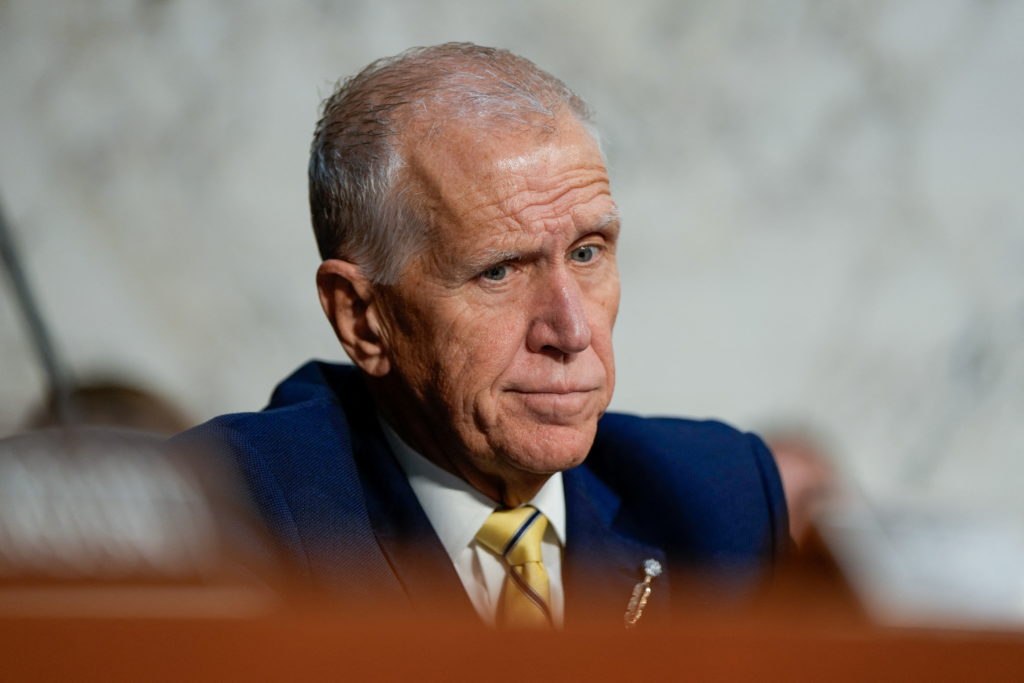
The immediate consequence of this redistricting is the departure of Rep. Cleo Fields, a Democrat who has represented the region for years. Fields, 63, announced in July that he would not run for reelection, citing the altered boundaries as a barrier to victory. Instead of remaining in Washington, he intends to return to the Louisiana State Legislature. For many residents, particularly those in Scotlandville, this marks the loss of a representative who shares their local history and understands their specific challenges.
Scotlandville, a community of approximately 10,000 people near Baton Rouge, has experienced this type of political displacement before. The area was previously part of a majority-Black district until 1996, when a federal court struck down the original map as unconstitutional. At that time, Fields left Congress to serve in the state senate. He returned to the House in 2024 after another legal challenge successfully restored a majority-Black district following the 2020 census. The current shift represents a second instance of this community being moved into a predominantly white district during Fields’ career.
The catalyst for these changes was a Supreme Court ruling that struck down a core provision of the Voting Rights Act, which had previously required jurisdictions with histories of racial discrimination to obtain federal approval before implementing new voting maps. This decision has sent ripple effects across the American South, allowing states to redraw districts without the same level of federal oversight. In Louisiana, the case originated from challenges to the Sixth District, but its impact extends beyond state borders.
Similar redistricting efforts have occurred in other Southern states following the court’s decision. In Alabama, Democratic Rep. Shomari Figueres faces a tougher path to reelection as his district’s Black voting-age population dropped from 50 percent to 40 percent under new lines. Tennessee also saw its majority-Black district, centered around Memphis, split among three other districts. These changes reflect a coordinated effort by Republican-led states to adjust maps in ways that may benefit their party’s control of Congress.
Local residents view the redistricting through a historical lens, drawing parallels to the period immediately following Reconstruction. Press Robinson Sr., an 89-year-old advocate who has long worked on issues related to congressional mapping, expressed frustration with the outcome. He argued that while the methods used to manipulate district lines have evolved, the intent remains the same: to disenfranchise people of color and limit their political influence.
The Voting Rights Act of 1965 was designed to address decades of gerrymandering and other tactics used by white leaders in the South to prevent Black citizens from electing representatives of their choice. The law required pre-clearance for map changes in areas with discriminatory histories and allowed lawsuits against practices that denied voting rights. However, legal battles over representation have persisted since its enactment, with Fields’ political trajectory mirroring many of these twists and turns.
As the November elections approach, the new maps are already in effect. The shift in Louisiana’s Sixth District removes a direct line to federal power for Scotlandville residents, who previously had a representative from their own community. The broader implications of the Supreme Court’s ruling continue to unfold, with ongoing litigation and political maneuvering shaping the future of minority representation in Congress.
Fields’ decision to step aside highlights the personal impact of these structural changes. Having grown up poor in Scotlandville and attended local schools before graduating from Southern University A&M, he was seen by many as a champion who instinctively understood their struggles. His departure leaves a void in leadership for a community that has fought repeatedly for equal representation.
Looking ahead, the effectiveness of minority voting blocs in the South will likely depend on how these new districts perform in upcoming elections. The reduction in Black voting power in key districts could alter the balance of power in Congress, particularly if similar trends continue in other states. For now, residents of Scotlandville and other affected areas face an uncertain political future without their former representative.
Sources behind this briefing
Go to the original reporting
- PBS NewsHour↗After redistricting, a Black community in Louisiana faces a future without a champion in Congress