The short version
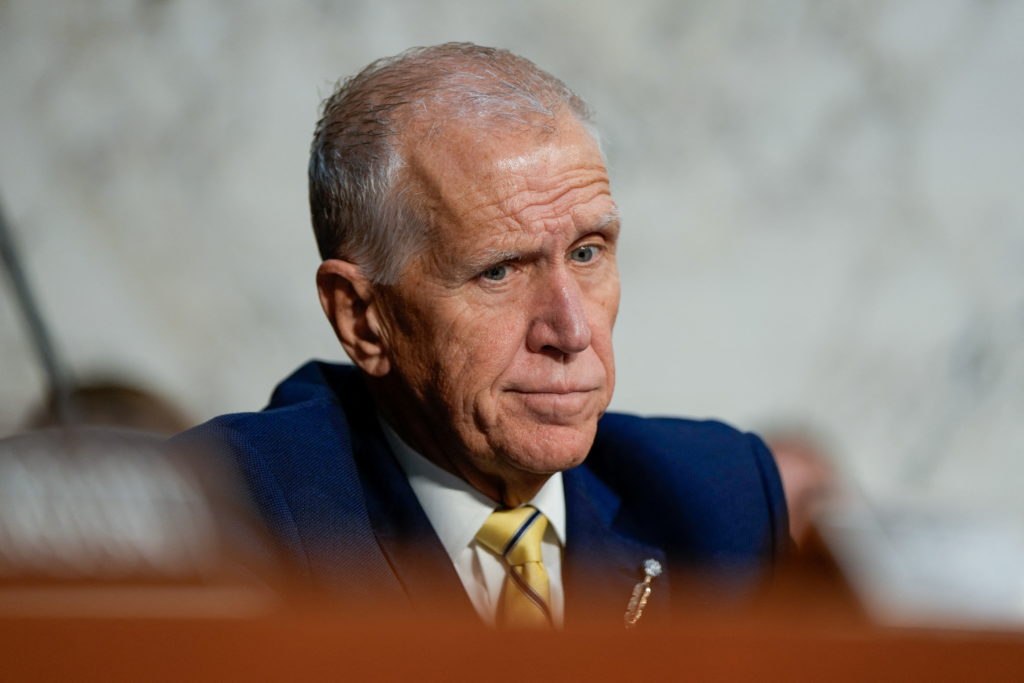
- Senator Thom Tillis identifies his vote to confirm Pete Hegseth as the most significant regret of his political tenure.
- The senator warns that Republican support for Trump's agenda will lead to severe midterm election losses and potential authoritarian drift.
- Tillis maintains he did not want to be the sole obstacle to nominations, despite private reservations shared by many colleagues.
Republican Senator Thom Tillis has published a new book detailing his growing disillusionment with the Trump administration, specifically highlighting his decision to confirm Pete Hegseth as Defense Secretary. In the text, titled 'How to Lose Friends and Antagonize Presidents,' the North Carolina lawmaker characterizes his January 2025 vote as the biggest regret of his career. He also expresses remorse for supporting Robert F. Kennedy Jr.'s appointment to lead the Department of Health and Human Services, acknowledging the subsequent turmoil those appointments caused.
Tillis explains that during the confirmation process for Hegseth, he weighed serious allegations regarding the nominee's management style, treatment of women, and alcohol consumption. Although Hegseth denied these claims, Tillis admits he remained skeptical. Ultimately, he cast the deciding vote to reach a 50-50 tie, which Vice President JD Vance broke in favor of confirmation. Tillis states he could not definitively corroborate the worst accusations at the time and chose not to be the lone barrier to the president's nominees.
The senator argues that many of his Republican colleagues share similar private doubts but remain publicly silent to protect their political standing. He estimates that at least thirty GOP senators have voiced mild reservations about the president's actions in private settings. However, he notes that these same lawmakers offer praise when facing media scrutiny. Tillis suggests that a culture of compliance has taken hold, with many believing that dissent would end their careers.
Despite his criticism of specific appointments and policies, Tillis does not place full blame on President Trump himself. He describes the president as an impressive political talent and directs his frustration toward the surrounding staff and advisors. He characterizes these aides as 'idiots' who have pushed the administration in directions he now views as excessive. This distinction allows him to critique the administration's trajectory without entirely repudiating the leader.
The book serves as a warning about the long-term consequences of executive overreach. Tillis cautions that such tactics eventually backfire on the majority party, predicting a significant defeat for Republicans in the upcoming midterm elections. He uses vivid imagery to describe the political danger, likening the situation to being chased by a giant bronze monster. He urges his colleagues to recognize this slippery slope toward authoritarianism and to push back more frequently.
Tillis's public break with Trump began in earnest last year when he announced he would not seek reelection. This decision followed intense conflict over a major tax and spending package, particularly regarding cuts to Medicaid. After Trump attacked him on social media for opposing the bill, Tillis decided his political career had reached its breaking point. He subsequently texted the president to suggest finding a replacement, receiving a brief acknowledgment in return.
The senator's criticism extends beyond personnel decisions to broader policy failures. He condemns the administration's tariff strategies and aggressive immigration enforcement actions, which he claims were designed to create disorder. He also expresses regret over his initial support for military action in Iran, stating that such conflicts require international coalitions and cannot be resolved while Hegseth remains in power. The book concludes with a profane message sent to Trump, emphasizing the nation's current failures.
This publication arrives during Tillis's final months in office, joining a growing chorus of Republican voices distancing themselves from Trump once electoral pressures diminish. While he defends his earlier decisions as necessary for maintaining influence within the party, he now advocates for greater accountability. The narrative reflects a shift from internal management to public condemnation, marking a definitive end to his tenure and a stark assessment of the current political landscape.
Sources behind this briefing
Go to the original reporting
- PBS NewsHour↗Sen. Tillis says his vote for Hegseth was 'biggest regret of my career' in new book