The short version
- Meteorologists suspect at least three tornadoes touched down in central Arizona during late Wednesday night storms.
- The severe weather is part of an unusually wet fall driven by El Niño conditions and moisture from the Pacific.
- One person was injured, though not life-threateningly, while widespread power outages and property damage were reported.
Severe weather systems have struck the American Southwest with unusual intensity this week, bringing tornadoes and large hail to Arizona. National Weather Service meteorologists suspect that at least three tornadoes touched down as storms swept across central Arizona late Wednesday night. The events marked a significant deviation from the region's typical climate patterns, which are usually defined by scalding heat and dry conditions during the autumn months.
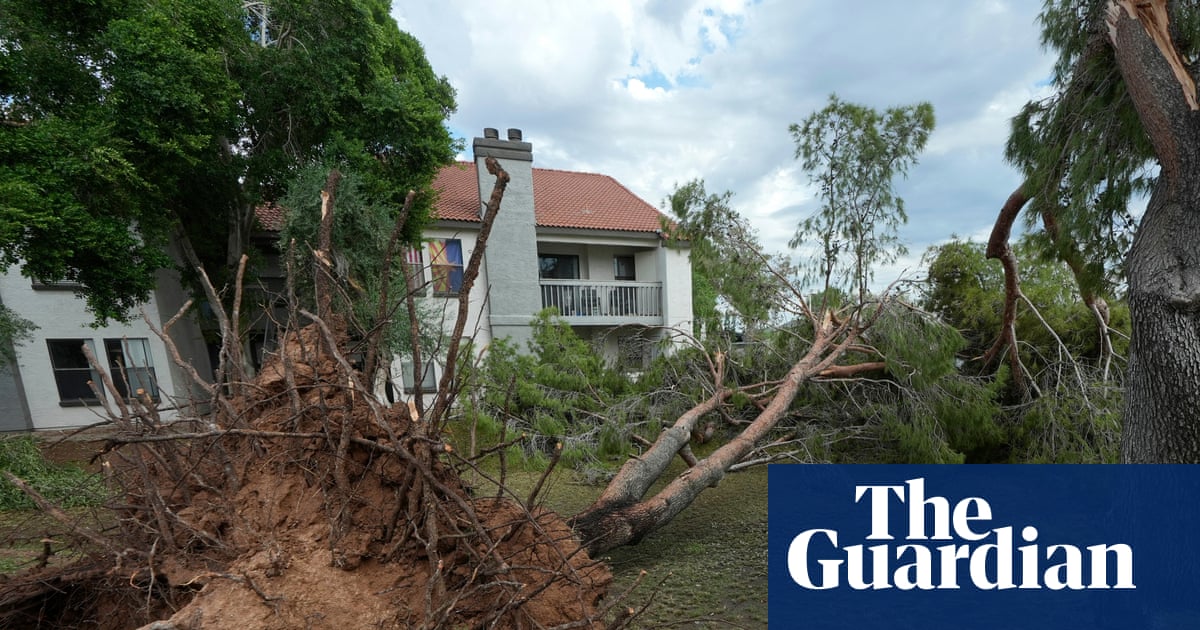
The storms caused widespread disruption, knocking over utility poles and trees while carrying thunder and heavy winds through the state. In Overgaard, a community of approximately 3,000 people located about 140 miles northeast of Phoenix, residents experienced the full force of the weather. Lenna Landy, who was engaged in a yoga routine when the storm arrived, described the sudden onset as terrifying. She noted that the power went out and her house shook, leaving her unable to find her glasses in the dark.
Landy reported that the storm peeled off nearby roofs, shattered windows, and blew a shed into a home. A spruce tree in her yard was split in half by the force of the wind. She recalled thinking about the speed at which the situation deteriorated, noting that she had initially ignored alerts about a possible tornado. The intensity of the thunder cracks was described as extraordinary, highlighting the sudden and violent nature of the event.
While the injuries sustained during the storms were not life-threatening, they are rare for an area better known for its arid climate. One person was injured in the Four Corners region, which has been surveying blown-away roofs, trees knocked onto homes, and downed power lines. The damage extended beyond residential areas, with strong winds toppling trees in Flagstaff and Mesa. Some of these trees landed on walls and carports, causing further property damage.
The severity of the wind was evident in the Coconino National Forest, northwest of Flagstaff, where dozens of ponderosa pines more than 30 feet tall fell down. Ryan Bernhart, a weather service meteorologist in Flagstaff, emphasized that these were not small trees but strong ones that had been knocked down by the force of the storm. This detail underscores the unusual strength of the winds associated with the recent weather systems.
This fall has been unusually soggy in the Southwest due to El Niño conditions that have sent one tropical system after another from the Pacific. These conditions have caused the Grand Canyon and surrounding deserts to rage with floods. Now, golf ball-size hail and tornadoes have joined the mix, adding complexity to the already challenging weather situation. The combination of flooding and severe thunderstorms has created a hazardous environment for residents in the region.
Warm, moist air moving north fuels storms coming in from the California coast. Changing winds can make them spin, creating the conditions for tornadoes, according to Bernhart. He noted that this type of weather is very unusual for this area at this time of the year. While tornadoes are somewhat but not exceptionally unusual in Arizona, notable outbreaks happened in 2019 and 2010, providing some historical context for these events.
Similar weather soaked New Mexico, while swathes of Utah and Colorado were under flood watches and warnings. Much of Arizona remained under tornado and flood watches as the severe weather continued into Thursday. The ongoing threat requires residents to remain vigilant and prepared for further disruptions. The unusual nature of this weather pattern highlights the increasing variability in climate conditions across the Southwest.
The practical significance of these events extends beyond immediate property damage. Power outages and downed trees have disrupted daily life and emergency services in affected areas. The rapid onset of the storms caught many residents off guard, emphasizing the need for better preparedness and awareness of weather alerts. As the region continues to experience this unusual wet fall, officials are monitoring the situation closely to mitigate further risks.
Looking ahead, the impact of El Niño conditions is expected to persist, potentially bringing more severe weather to the Southwest. Meteorologists will continue to track the movement of warm, moist air and changing winds that contribute to storm formation. Residents in Arizona, New Mexico, Utah, and Colorado should stay informed about local weather forecasts and take necessary precautions to ensure their safety during this volatile period.
Sources behind this briefing
Go to the original reporting
- The Guardian World↗A possible three tornados wallop Arizona, bringing golf-ball sized hail