The short version
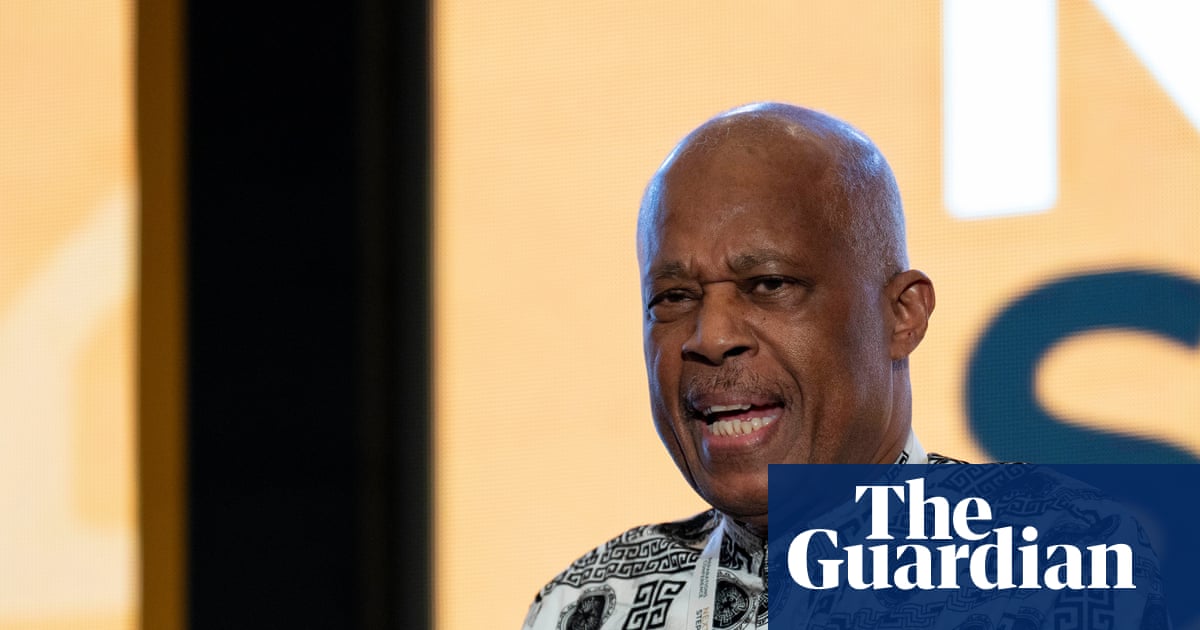
- Hilary Beckles, chair of the Caricom Reparations Commission, has appealed directly to King Charles III to use his influence to advance reparations discussions during the upcoming Commonwealth heads of government meeting.
- While some leaders view the summit as a critical opportunity for moral reckoning, others express concern that draft communiqués lack unanimous agreement on mandating structured dialogue regarding historical harms from the transatlantic slave trade.
- Campaigners plan to launch a Global Reparations Caravan alongside the official proceedings, signaling that public pressure will remain high despite stringent security measures and the absence of a dedicated official reparations event.
The upcoming Commonwealth heads of government meeting in Antigua and Barbuda is set to become a focal point for long-standing demands regarding slavery reparations. Regional leaders are intensifying their appeals to King Charles III, urging him to leverage his position to ensure the organization evolves into what they describe as a moral institution dedicated to human justice. The pressure comes as the monarch prepares to visit Guyana and the Bahamas before attending the summit, with calls growing for a formal apology that acknowledges the historical enrichment of the British royal family through chattel slavery.
Hilary Beckles, who chairs the Caribbean Community Reparations Commission, framed his appeal not in terms of constitutional duty but as a personal request to a fellow human being. He emphasized the king’s role as a parent and grandparent, suggesting that Charles is aware of the wealth passed down through generations derived from the slave trade. Beckles argued that the Commonwealth, historically linked to these crimes, must now commit to addressing them. This perspective reflects a broader sentiment among Caribbean officials who view the current moment as an opportunity for substantive engagement rather than symbolic gestures.
Support for this approach extends beyond Beckles. Shirley Ayorkor Botchwey, the Commonwealth secretary-general, recently indicated that a formal apology from the king would be beneficial and that the time has arrived for serious conversations about reparations. Eric Phillips, head of Guyana’s reparations committee, echoed these sentiments, describing Charles as an enlightened monarch whose lifelong commitment to environmental stewardship suggests he should also champion decency regarding historical injustices. Phillips noted that while citizens in the United Kingdom celebrate the monarchy, those in Guyana hope the king will use his platform to call for reparative justice.
Despite these appeals, the path forward remains complicated by diplomatic disagreements within the Commonwealth itself. David Comissiong, deputy chair of the Barbados National Task Force on Reparations, highlighted concerns regarding the draft communique for the 2026 summit. While one paragraph referencing previous commitments to dialogue was confirmed, a second paragraph mandating foreign ministers to engage in structured and inclusive discussions on historical harms has not achieved unanimous agreement. Comissiong described this lack of consensus as peculiar, noting that it undermines the potential for meaningful progress during the gathering.
The British royal palace has previously stated that King Charles is personally committed to promoting understanding around slavery and finding ways to address historic wrongs. This stance follows a landmark petition lodged by Jamaican officials seeking legal advice on their reparations claim, which is scheduled to be heard by the Privy Council in March. However, Caribbean campaigners remain skeptical of blanket statements from both the UK government and the monarchy that stop short of explicit apologies. They argue that such positions demonstrate insensitivity to the demands of Caribbean citizens who have long sought acknowledgment of past atrocities.
Dorbrene O’Marde, chair of the Antigua and Barbuda reparations commission, expects that the issue will remain central to the summit despite the absence of a dedicated official event. He described the gathering as the first round of reparations negotiations, suggesting that discussions between governments will take place alongside major forums. O’Marde also announced the launch of a Global Reparations Caravan, an international movement combining advocacy, demonstrations, and cultural events. This initiative aims to keep public pressure on leaders even as official proceedings unfold behind closed doors.
Security measures around the summit are expected to be stringent, reflecting concerns about potential protests from groups frustrated by the lack of concrete commitments. O’Marde acknowledged that some demonstrators may become inflamed by perceived insensitivity from UK authorities. Nevertheless, he emphasized that the reparations movement will not remain peripheral to the discussions. The combination of official diplomatic channels and public activism creates a complex environment in which leaders must navigate both political realities and moral expectations.
As the summit approaches, the tension between symbolic gestures and substantive action remains unresolved. While some view the meeting as an opportunity for reconciliation, others see it as a test of the Commonwealth’s ability to confront its colonial legacy. The disagreement over the draft communique underscores the challenges of achieving consensus on such sensitive issues. Ultimately, the outcome may depend on whether King Charles and other leaders are willing to move beyond vague commitments and engage in the difficult work of addressing historical harms through structured dialogue.
The broader implications of these discussions extend beyond the Caribbean. The way the Commonwealth handles reparations could set a precedent for how other international organizations address historical injustices. If the summit fails to produce meaningful progress, it may reinforce perceptions that global institutions are unwilling to confront uncomfortable truths. Conversely, successful engagement could pave the way for more comprehensive efforts to repair the legacies of slavery and colonialism. The coming weeks will reveal whether rhetoric can translate into action.
In the meantime, campaigners continue to mobilize support for their cause. The Global Reparations Caravan represents a significant escalation in public advocacy, aiming to amplify voices that have been marginalized in traditional diplomatic settings. By combining cultural expression with political demands, organizers hope to create a narrative that resonates with both local communities and international observers. This multifaceted approach underscores the complexity of the reparations movement and its determination to achieve lasting change.
Sources behind this briefing
Go to the original reporting
- The Guardian World↗King Charles urged ‘as human brother’ to support reparations talks at Caribbean summit