The short version
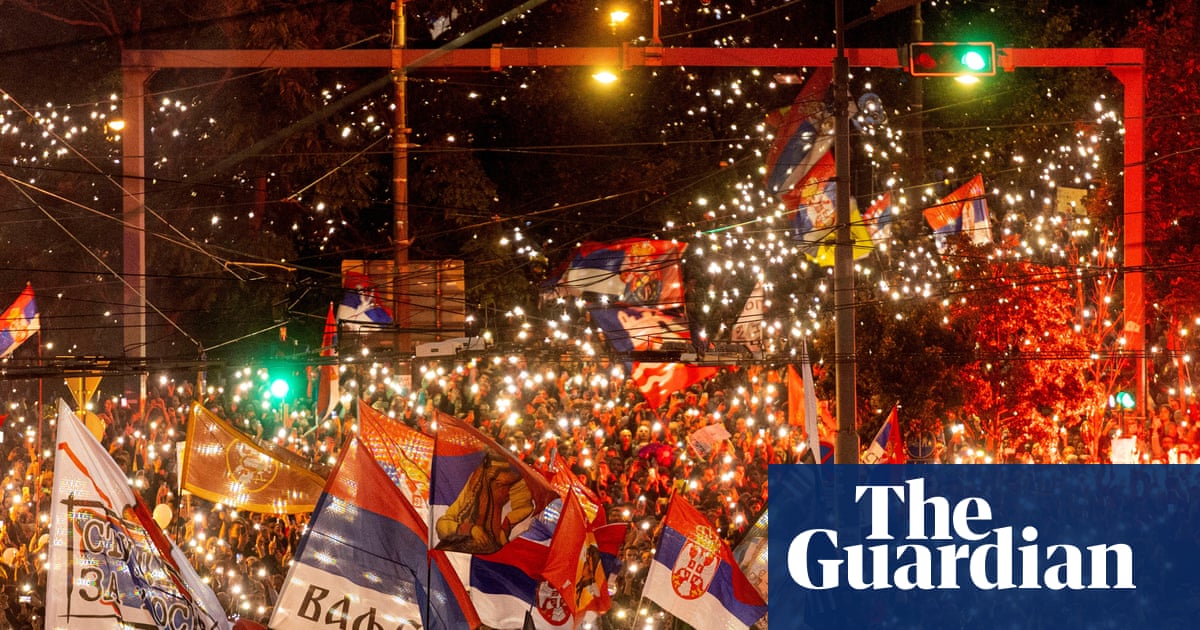
- Approximately 150,000 supporters gathered in Belgrade to back the Student List movement ahead of a decisive parliamentary vote.
- The election represents the most significant challenge to Aleksandar Vucic’s party since it assumed power more than a decade ago.
- Civil society organizations have raised alarms regarding intimidation and resource misuse, casting doubt on the fairness of the upcoming ballot.
A pivotal moment in Serbian politics arrived this week as hundreds of thousands of citizens took to the streets of Belgrade, signaling a potential shift in the nation’s power structure. The massive gathering, estimated by independent monitors to include roughly 150,000 participants, was organized in support of the Student List, a leaderless coalition of candidates backed largely by university students. This movement aims to end more than fourteen years of governance by the Serbian Progressive Party, led by veteran politician Aleksandar Vucic. The upcoming parliamentary election on Sunday is viewed as a critical test for both the entrenched ruling establishment and the anti-corruption protests that have swept the country.
The political unrest stems from a tragic incident in 2024, when a canopy collapsed at the newly renovated Novi Sad railway station, killing sixteen people. The disaster sparked widespread anger over alleged corruption and construction irregularities, leading to some of the largest demonstrations since the fall of Slobodan Milosevic two decades ago. What began as calls for a transparent investigation into the tragedy quickly evolved into broader demands for political change. University students emerged as the primary drivers of this movement, transforming localized grief into a national campaign for early elections and systemic reform.
At the heart of the opposition’s appeal is a pledge to combat corruption and restore normalcy to public life. The Student List has fielded approximately 250 candidates for the parliament, many of whom are academics or individuals with no prior political experience. This strategy positions them as outsiders capable of breaking the cycle of partisan self-interest that critics say has defined Vucic’s tenure. Supporters expressed a renewed sense of hope during the rally, with attendees describing the movement as a rare opportunity to live in a stable and transparent society. The atmosphere was charged with optimism, as participants waved flags and chanted slogans emphasizing victory and change.
In response to the growing opposition, Vucic has framed the student-led protests as an externally funded attempt to destabilize the state. Addressing his own supporters at a sports hall in the capital, the 56-year-old leader urged citizens to defend the nation against what he characterized as a coup plot. He resigned from his presidential role to run for prime minister, positioning himself as the defender of national sovereignty. His rhetoric emphasized unity and resistance, contrasting sharply with the opposition’s focus on accountability and reform. The snap election, announced last month under mounting pressure, marks the most significant electoral challenge for Vucic’s party since it took power in 2012.
Concerns about the integrity of the voting process have intensified as election day approaches. Civil society groups have reported a campaign marred by intimidation, arbitrary arrests, and the misuse of public resources to favor the ruling party. These allegations suggest that conditions for a free and fair election may not be fully met. On Wednesday, prosecutors in Belgrade questioned six individuals arrested on suspicion of planning violence and riots during the vote. While student rallies have remained largely peaceful since their inception, reports of threats against demonstrators have increased in recent months, raising fears about potential disruptions.
The lack of reliable independent polling data adds another layer of uncertainty to the outcome. Surveys conducted in Serbia have produced widely divergent results, making it difficult to predict voter preferences with any degree of confidence. This ambiguity underscores the high stakes of the election, as both sides claim momentum and popular support. The Student List argues that their massive turnout demonstrates a clear mandate for change, while Vucic’s camp maintains that they retain strong backing from traditional voters wary of instability.
As the final days before the vote unfold, the focus shifts to voter mobilization and security. Rally attendees emphasized the importance of peaceful participation, urging supporters to channel their energy into casting ballots rather than engaging in conflict. The message from the opposition is one of love and peace, aiming to contrast their disciplined approach with the alleged chaos attributed to the ruling party. Meanwhile, authorities have heightened security measures to prevent any incidents that could undermine the democratic process.
The election will likely determine the direction of Serbia’s domestic policies and its relationship with international partners for years to come. A victory for the Student List would mark a historic break from Vucic’s long-standing dominance, potentially opening the door for significant anti-corruption reforms. Conversely, a win for the Serbian Progressive Party would reinforce the status quo and validate Vucic’s narrative of external threats. Regardless of the outcome, the election represents a defining moment for Serbian democracy, testing the resilience of its institutions and the will of its citizens.
International observers and local civil society groups are closely monitoring the situation, ready to report on any irregularities. The global community watches with interest, aware that the result could influence regional stability in the Balkans. As voters head to the polls, the tension between hope for change and fear of uncertainty remains palpable. The coming days will reveal whether the student-led movement can translate its street power into legislative authority, or if Vucic’s entrenched network will withstand the pressure.
In the end, the election is not just about who wins seats in parliament, but about what kind of future Serbia chooses to build. The issues at stake—corruption, transparency, and national identity—are deeply personal for many citizens. The rally in Belgrade served as a powerful reminder of the energy and determination driving this political moment. As the nation prepares to vote, the world waits to see if this wave of protest will crest into lasting change or recede before the tide of established power.
Sources behind this briefing
Go to the original reporting
- The Guardian World↗Massive student-led rally marches in Belgrade ahead of Serbian election