The short version
- A fatality was confirmed after a man was found unresponsive in floodwaters on Queensland's Fraser Coast.
- Rescue teams saved six stranded campers from rising waters in the Southern Downs region without injury.
- Meteorologists attribute the severe weather to an unusual high-altitude system that delivered record rainfall totals.
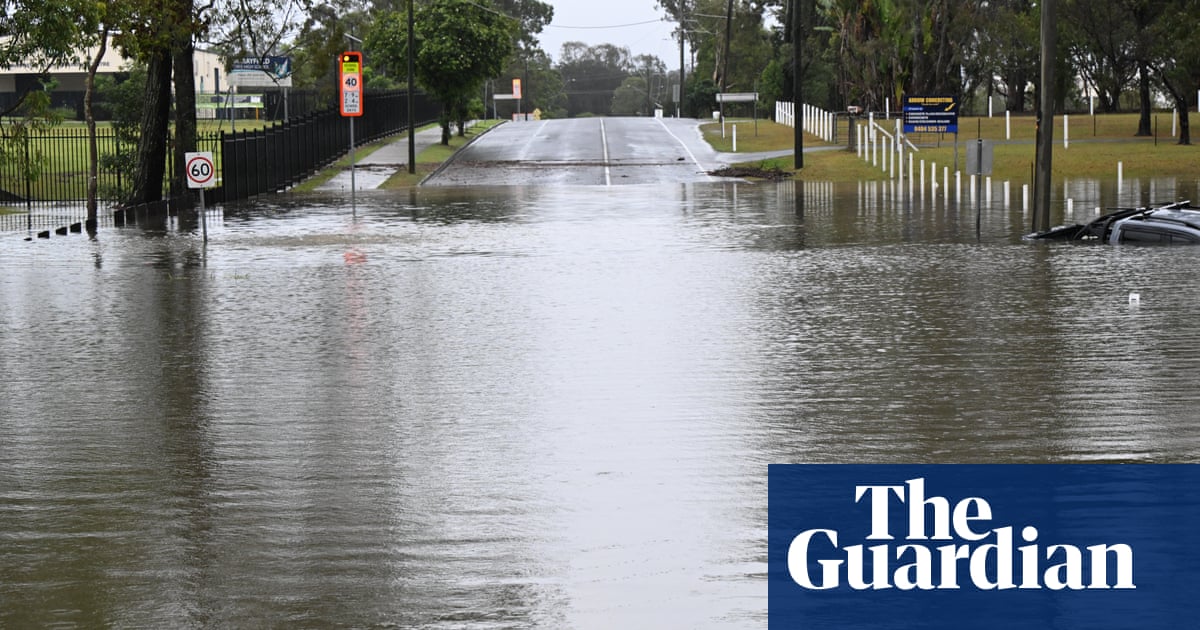
A man has died following a period of intense flooding across Queensland, marking a tragic outcome to a weather event that has left rivers swollen and roads impassable throughout the state. Emergency responders discovered the victim in Smothering Creek near Boompa Road on the Fraser Coast shortly after midday on Monday. Police declared him dead at the scene and have initiated an investigation, with plans to submit a formal report to the coroner regarding the circumstances of his death.
The incident occurred as emergency services worked to manage widespread disruptions caused by days of heavy rain. In a separate operation further south, swiftwater rescue crews from Queensland Fire and Rescue responded to reports of stranded individuals at a public campground in Leyburn, located in the Southern Downs region. The team arrived on site early Monday morning and successfully extracted six people—three men and two women ranging in age from 26 to 71—from rising floodwaters by late morning. Authorities confirmed that none of the rescued campers sustained physical injuries during the ordeal.
The flooding stems from an unusual weather system that brought multiple storms and a prolonged deluge to parts of Australia between Thursday and Monday. This atmospheric pattern resulted in significant water accumulation across the state’s southern and eastern regions, overwhelming local drainage and river systems. Flash flooding was particularly severe in the Lockyer Valley west of Brisbane, where Laidley Creek and Glenore Grove saw road closures due to rapidly rising waters. The Bureau of Meteorology has issued ongoing flood warnings for several key waterways, including Warrill Creek and the Bremer River in the Lockyer Valley, as well as the Macintyre and Moonie rivers in the south.
Rainfall totals recorded during this four-day period were among the highest observed across various parts of Queensland. Blackdown Tableland, situated near Rockhampton, logged 439.4 millimeters of rain by early Monday. Other areas also experienced substantial precipitation, with Lower Springbrook near the Gold Coast recording 325.2 millimeters and Nambour near the Sunshine Coast receiving 314.2 millimeters. Brooweena, located inland from K’gari, measured 299.6 millimeters. These figures highlight the intensity of the downpours that contributed to the hazardous conditions on the ground.
Meteorologist Angus Hines described the system driving these downpours as atypical for the region. He noted that the widespread rain bands, extensive cloud cover, and cooler temperatures were influenced by dynamics in the upper atmosphere. On Sunday evening, a continuous band of thunderstorms stretched from southern Queensland to Bass Strait as a fast-moving weather front traveled toward Australia’s east coast. This storm system was propelled by strong winds at high altitudes, which helped drive the precipitation over multiple states in rapid succession.
However, the steering winds that guided the storm system began to weaken overnight across Queensland’s Darling Downs region. This shift in atmospheric pressure and wind patterns contributed to the localized intensity of the rainfall before the system moved on. Despite the tapering off of the immediate storm threat, flood warnings remain active for several rivers, including the Mary River near the Sunshine Coast. Western Queensland is also under alert, with current warnings for the Warrego River at Charleville, the Bulloo River in Quilpie, and the Barcoo River at Blackall.
Looking ahead, weather officials anticipate a return to more typical spring conditions as the week progresses. The Bureau of Meteorology forecasts that the hot and humid days associated with the recent storm system will give way to more subdued afternoon showers and isolated storms. This transition suggests a gradual easing of the immediate flood risks, although communities in affected areas must remain vigilant as water levels recede slowly from rivers and low-lying roads.
The combination of record-breaking rainfall and unusual atmospheric conditions has underscored the vulnerability of Queensland’s infrastructure to extreme weather events. While rescue operations have successfully prevented further loss of life in recent hours, the death on the Fraser Coast serves as a stark reminder of the dangers posed by flash flooding. Authorities continue to monitor river levels and road conditions, urging residents to avoid flooded areas and heed official warnings until the threat fully passes.
Sources behind this briefing
Go to the original reporting
- The Guardian World↗Man found dead in Queensland flood waters as state hit by multiple storms and days-long deluge