The short version
- Angus Taylor rejected claims that robust parliamentary debate contributes to political violence following the alleged attack on MP Helen Haines.
- Independent MPs Zali Steggall and Monique Ryan condemned Taylor’s stance as tone deaf, arguing that words matter and impact public behavior.
- The incident has intensified scrutiny of safety protocols for politicians and the broader culture of political discourse in Australia.
Australian parliamentary proceedings resumed in Canberra this week under a shadow cast by the alleged attack on Member of Parliament Helen Haines. The incident, which occurred outside her electorate office in northern Victoria last week, resulted in severe injuries requiring the amputation of both legs. A forty-three-year-old man has been charged in connection with the event, and authorities continue to investigate the circumstances surrounding the assault.
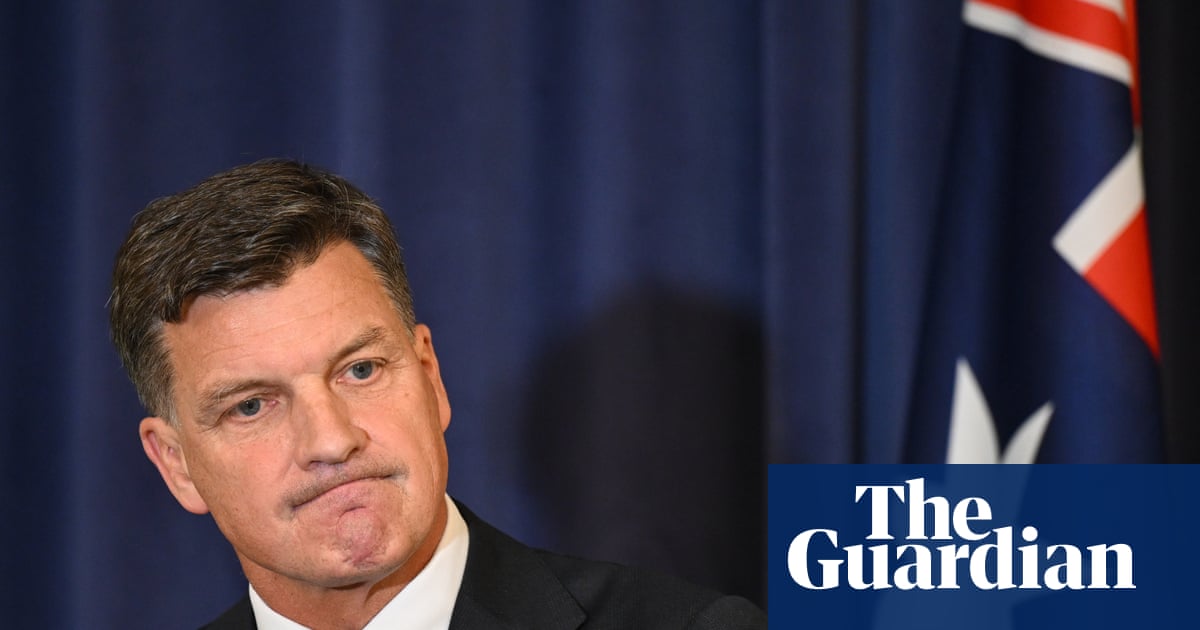
The violence has triggered a contentious debate regarding the safety of elected officials and the prevailing atmosphere within Australian political institutions. While many lawmakers have called for a reevaluation of parliamentary practices to reduce hostility, Opposition Leader Angus Taylor firmly rejected suggestions that adversarial debate fuels such extremism. He argued that there is no causal link between rigorous legislative discussion and physical violence.
Taylor emphasized that the Westminster system relies on settling differences through vigorous argument rather than intimidation. He stated that while debate should be robust, it must never spill over into violent acts. According to Taylor, those who resort to threats or physical harm cross a definitive line that society must reject. He also called for stricter judicial penalties for individuals convicted of intimidating or attacking public figures.
Beyond legislative reform, Taylor suggested that cultural factors contribute to the current climate. He argued that many Australians have been taught to feel shame regarding their national history, which may foster animosity toward democratic institutions. He urged a greater celebration of Australian identity as a means to counteract this sentiment. His comments drew sharp criticism from crossbenchers who felt he failed to grasp the gravity of the situation.
Independent MP Zali Steggall, who sits adjacent to Haines in the lower house, expressed personal disappointment with Taylor’s response. She described his speech as failing to read the room and missing the lesson that Haines’ ordeal presents to the nation. Steggall argued that there is a direct connection between the words used by politicians and the actions taken by members of the public.
Steggall highlighted conversations with Phil Haines, Helen’s husband, who requested that lawmakers raise the standard of discourse. She noted that his plea was for a meaningful shift toward respectful debate, ensuring a safer environment for when Helen returns to parliament. Steggall extended this call for caution beyond the chamber, urging similar restraint in media reporting, election advertising, and social media interactions.
Monique Ryan, another independent MP, labeled Taylor’s position as tone deaf and hugely disappointing. She questioned his leadership aspirations if he does not believe that language matters in shaping public behavior. Ryan argued that failing to rise to the occasion after such an unthinkable event would prevent any progress in improving conduct within the house and public spaces.
One Nation MP Barnaby Joyce echoed Taylor’s skepticism regarding parliamentary reform as a solution. While expressing sympathy for Haines and her family, Joyce described the attack as un-Australian and attributed the violence to broader global dynamics rather than domestic legislative practices. He pointed to external factors, such as international protests and vindictive rhetoric in the public realm, as more significant contributors to the changing political landscape.
The disagreement underscores a fundamental divide in how Australian politicians view the relationship between discourse and safety. While Taylor and Joyce see parliamentary debate as distinct from street violence, Steggall and Ryan argue that the culture of hostility within government institutions can normalize aggression outside them. As investigations continue, the pressure mounts on leaders to define what constitutes acceptable political engagement.
The aftermath of the attack has forced a reckoning with the state of political discourse in Australia. With no immediate consensus on how to balance robust debate with safety, lawmakers face ongoing scrutiny from constituents and colleagues alike. The coming weeks will likely see further discussions on security measures and behavioral standards as parliament attempts to navigate this turbulent period.
Sources behind this briefing
Go to the original reporting
- The Guardian World↗Angus Taylor criticised for ‘tone deaf’ response to alleged attack on Helen Haines