The short version
- One Nation has declined to provide economic modeling for its plan to let renters and homeowners access superannuation funds early, with Barnaby Joyce dismissing the need for such analysis.
- The proposal would allow approximately nine million households to redirect a portion of their compulsory super contributions into take-home pay for up to three years.
- Government officials and industry groups have criticized the lack of fiscal impact assessment, warning that the policy could significantly reduce retirement savings and destabilize pension spending.
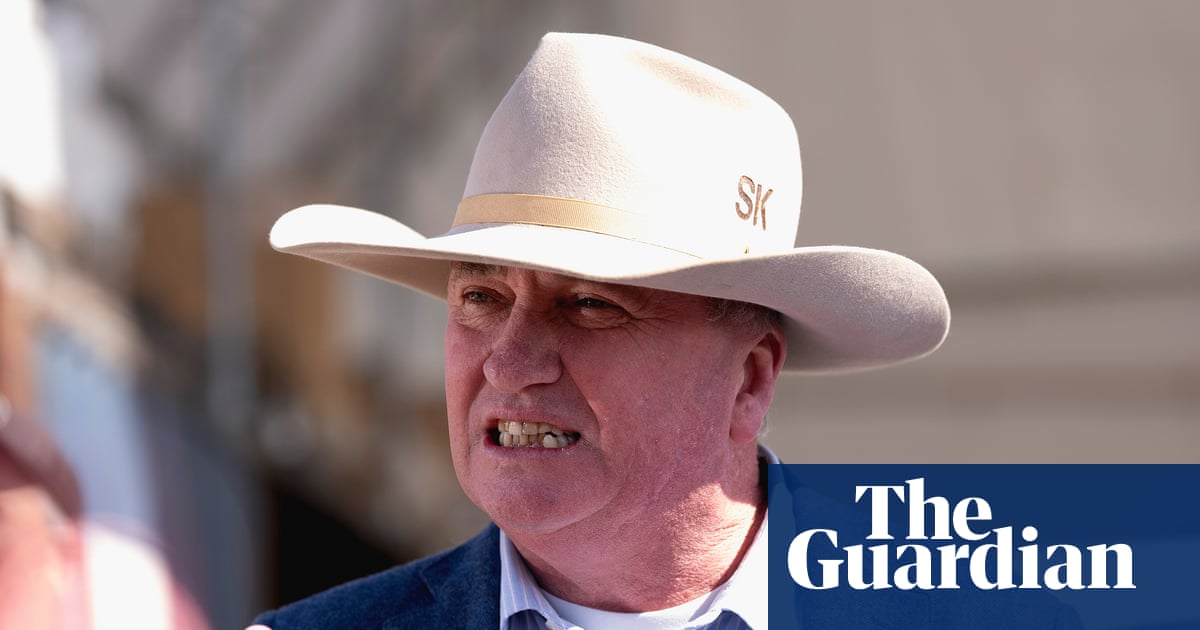
A significant political dispute has emerged in Australia regarding One Nation’s proposal to alter superannuation rules, centering on the party’s refusal to provide economic modeling for the plan. Barnaby Joyce, serving as the party’s Treasury spokesperson, acknowledged during recent interviews that his faction had not calculated the potential effects of the policy on retirement incomes or inflation rates. This admission has drawn sharp criticism from government leaders and financial experts who argue that major fiscal changes require rigorous analysis before implementation.
The core of One Nation’s plan involves allowing Australians who pay rent or hold mortgages to divert a portion of their superannuation contributions directly into their take-home pay. Approximately nine million households would be eligible for this change, which could last for up to three years. Under the current system, employers contribute twelve percent of wages into super funds. The proposed adjustment would allow three percent of that contribution to be paid directly to the account holder by their super fund, maintaining the existing fifteen percent tax rate on those contributions.
Joyce has defended the absence of economic modeling by questioning the necessity of such analysis for personal financial decisions. In interviews with ABC Radio National and the 7.30 program, he argued that individuals are not stupid and would only withdraw funds if it made financial sense for their specific circumstances. He suggested that people would naturally choose to leave money in superannuation if they believed the investment returns were superior to using the cash for immediate housing costs.
The spokesperson also pushed back against expectations that his party should possess comprehensive knowledge of all economic variables. He stated that he was not Jesus Christ and therefore could not be expected to know everything, ridiculing suggestions that the proposal required the same level of scrutiny as other major policy initiatives. Joyce framed the issue as a matter of personal choice, asking whether individuals model the money they receive at the end of the week before deciding how to use it.
Government officials have responded with strong condemnation of the plan’s lack of detail and preparation. Prime Minister Anthony Albanese described the proposal as a threat to the principle of universality in superannuation rules, suggesting that once this principle is compromised, the policy framework begins to disintegrate. He characterized the plan as poorly thought through, pointing to Joyce’s interviews as evidence of insufficient planning.
Treasurer Jim Chalmers labeled the superannuation policy an absolute shambles, highlighting the party’s inability to answer basic questions about its impact on pension spending and broader economic implications. Chalmers emphasized that the lack of clarity regarding these critical areas makes the proposal unreliable and potentially dangerous for the financial security of Australian households.
Industry representatives have also raised concerns about the long-term consequences of the plan. Modeling conducted by the Super Members Council, which represents the not-for-profit super sector, indicated that the average worker would be twenty-five thousand dollars poorer by retirement if One Nation’s scheme were implemented. This projection underscores the potential erosion of retirement savings that could result from diverting contributions away from long-term investment vehicles.
The debate highlights a fundamental disagreement over the role of government in managing personal financial decisions versus the need for systemic stability. While One Nation argues for greater individual control and immediate relief for housing costs, critics maintain that without guardrails or modeling, the policy poses significant risks to both individual retirement outcomes and the broader economy. The lack of detailed fiscal analysis continues to fuel skepticism among policymakers and financial experts.
As the discussion progresses, the focus remains on whether the potential short-term benefits for renters and homeowners outweigh the long-term costs to retirement security. The government’s stance is clear that any changes to superannuation rules must be thoroughly vetted to prevent unintended consequences. One Nation’s refusal to engage in traditional policy modeling has left many questions unanswered regarding the true impact of their proposal.
The situation underscores the challenges of introducing significant financial reforms without comprehensive data. While proponents argue for trust in individual decision-making, opponents stress the importance of evidence-based policy to protect vulnerable populations and maintain economic stability. The outcome of this debate could have lasting implications for Australia’s superannuation system and future fiscal policy debates.
Sources behind this briefing
Go to the original reporting
- The Guardian World↗Barnaby Joyce says he’s not ‘Jesus Christ’ and admits One Nation has not modelled super policy in fiery interviews