The short version
- Sixteen children were removed from their grandparents' home in Vinton County after being found in life-threatening conditions, leading to multiple criminal charges against family members.
- State officials and agency leaders cite a persistent crisis in affordable foster placements and rising care costs that outpace inflation and local tax revenues.
- The case occurs amid broader national budget proposals targeting social safety nets and state-level cuts to programs like lead abatement in Republican-led Ohio.
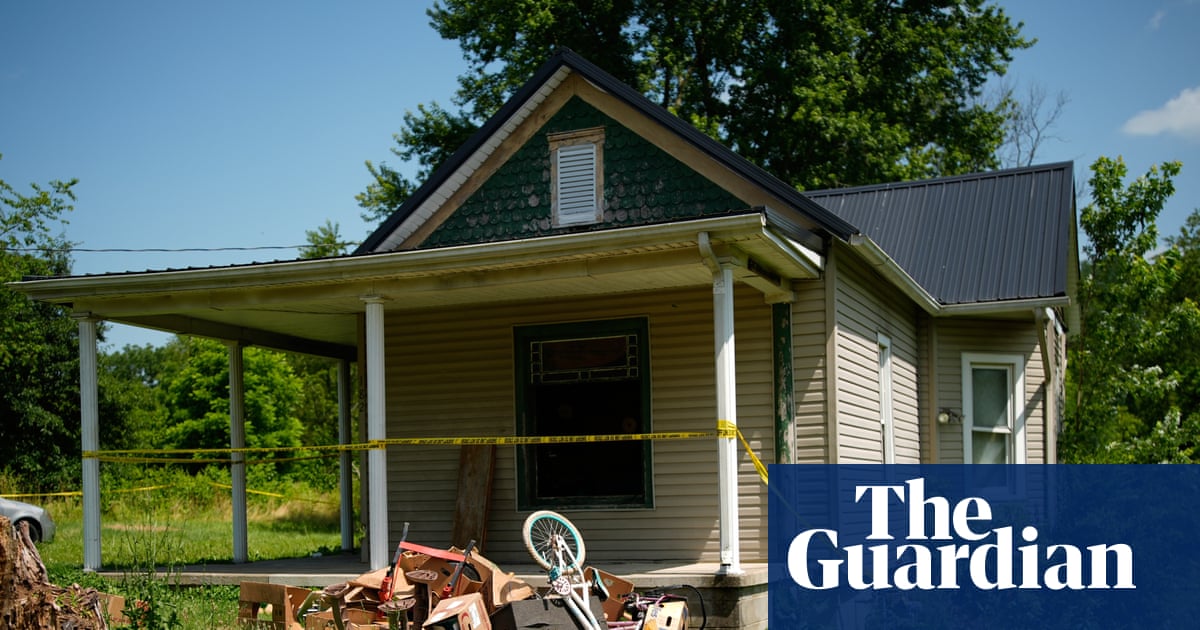
A disturbing discovery in rural Ohio has brought renewed scrutiny to the state’s child welfare system, revealing deep structural failures that officials describe as a long-standing emergency. In late June, law enforcement officers arrived at a dilapidated residence in Hamden, Vinton County, to serve arrest warrants on Gary Siders II and Elizabeth Siders for charges unrelated to child neglect. During the raid, authorities found sixteen children living in squalid conditions. Several of the minors were near death, with two requiring transport to a level one trauma center; one was placed in intensive care. The incident has triggered a complex legal and administrative response, underscoring the fragility of safety nets for vulnerable populations in the region.
The Siders family members face significant criminal allegations stemming from the investigation. Gary Siders and Christina Siders, the children’s grandparents, along with their son and daughter-in-law, have been charged with sixteen counts of child endangerment. All four defendants have entered not guilty pleas. In August, additional charges were filed against Gary Siders II and Elizabeth Siders for sexual battery and unlawful sexual conduct involving a minor who was not their biological child. Financial records indicate the family struggled economically prior to the incident, with reports showing Elizabeth Siders had no income in 2021 while her husband earned approximately $1,500 per month.
Local agency leaders have long warned that such outcomes were inevitable given the resource constraints facing rural counties. Jody Walker, head of South Central Ohio Job and Family Services, testified before state lawmakers in June 2025 about the unprecedented challenges within the child welfare system. He noted that his agency, which serves three southern Ohio counties, frequently housed children at its offices because no other safe placements were available. The discovery of the Siders children was accidental; had law enforcement not been present for unrelated warrants, the neglect might have gone undetected for a longer period.
The financial burden of caring for these sixteen children now falls heavily on Vinton County, the least populous in Ohio with fewer than 13,000 residents. The county is currently managing an estimated cost of $200 per child per day for foster care services. Six of the removed children are twins aged four or younger, complicating placement efforts. Angela Sausser of the Public Children Services Association of Ohio highlighted that paid placement costs have surged by 41% since 2020, far exceeding general inflation rates. Residential and group home care expenses have increased by more than 65%, creating a fiscal strain that local property tax levies cannot absorb.
Systemic underfunding remains a central issue in Ohio’s approach to child welfare. While the state’s share of spending on children’s services has risen from 10% to 20% over the past eight years, it remains well below the national average of 42%. For South Central Ohio Job and Family Services, costs escalated from less than $4 million in 2015 to over $10 million in 2024. Sausser emphasized that county leaders are forced to make difficult choices between supporting vulnerable children, public safety, senior services, and behavioral health needs, a dilemma exacerbated by the lack of affordable and accessible placement options.
The political landscape in Ohio has been dominated by Republican control for more than three decades, with the party holding a supermajority in the state legislature. Critics point to policy decisions that may have contributed to current vulnerabilities. For instance, in 2020, a case worker reported high levels of lead exposure among the Siders children. The following year, Republican lawmakers reduced funding for the state’s lead abatement program from $7.5 million to just $250,000 annually. Data from the Annie E. Casey Foundation indicates that while the percentage of Ohio children living in high-poverty areas has decreased, rates of child mortality, lack of health insurance, and preschool non-enrollment have all risen.
Ohio’s struggles are part of a broader national trend affecting social services. The Trump administration’s proposed 2027 federal budget includes significant cuts to programs supporting low-income families, including nutrition assistance for women and children, home energy aid, and a $6 billion reduction in National Institutes of Health funding. Additionally, the proposal seeks to eliminate federal preschool development grants. Research suggests that children in states with Republican leadership often face higher risk factors compared to those in Democratic-led or mixed-governance states, with infant mortality rates in some southern states exceeding those in northern counterparts by more than 50%.
As the legal proceedings against the Siders family continue, the immediate focus remains on the well-being of the sixteen children now in foster care. The case serves as a stark illustration of the gaps between policy intent and administrative reality in rural America. With state and federal funding models under pressure and local resources stretched thin, experts warn that without substantial reform and increased investment, similar crises may persist. The Ohio Attorney General’s office has declined to comment on specific questions regarding the systemic failures highlighted by this incident, leaving many unanswered questions about accountability and future prevention strategies.
Sources behind this briefing
Go to the original reporting
- The Guardian US Politics↗‘A persistent crisis’: the 16 children removed from an Ohio family are part of a statewide issue