The short version
- The Kennedy Center Honors will move to Capital One Arena in December, marking the first venue change since the awards began in 1978.
- The relocation follows a series of executive actions and court rulings concerning the potential demolition or renaming of the John F. Kennedy Center for the Performing Arts.
- Legal challenges continue as federal judges block efforts to rename the facility after Donald Trump, while legislative attempts to protect the building face political hurdles.
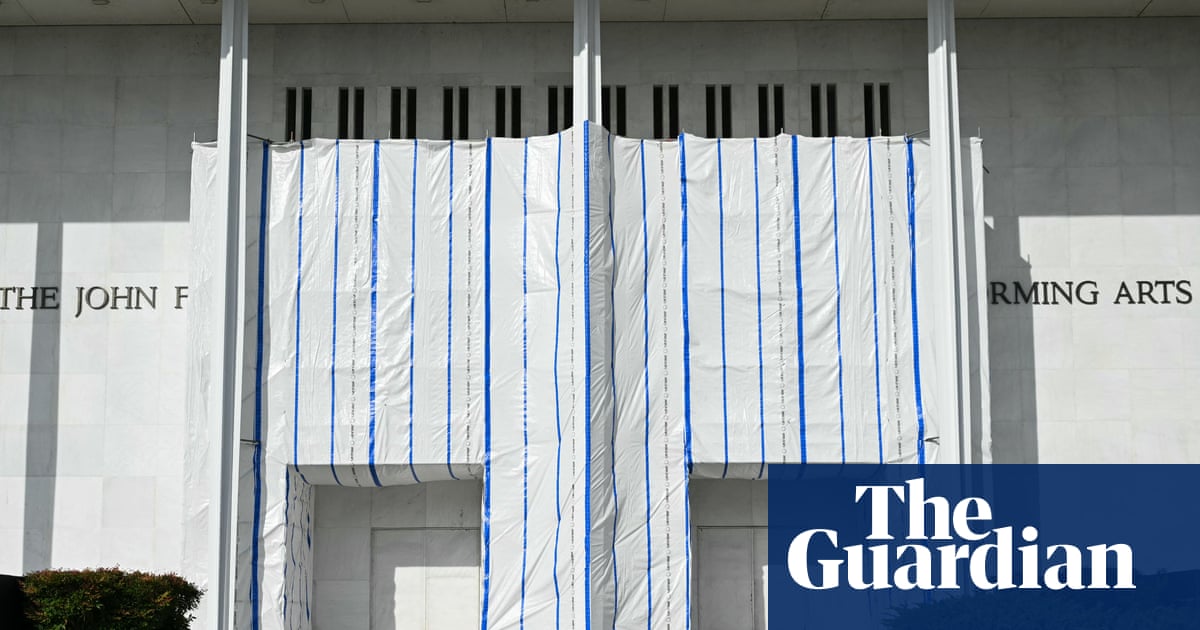
The Kennedy Center Honors, widely considered one of the most significant recognitions of achievement in American performing arts, will be held outside its traditional home for the first time in its history. A spokesperson for the John F. Kennedy Center for the Performing Arts confirmed that Capital One Arena in Washington, D.C., is scheduled to host the ceremony on December 7. This logistical shift underscores the severe instability currently surrounding the institution, which has been embroiled in a high-stakes conflict with the Trump administration over its name, funding, and physical future.
Since the awards were established in 1978, the ceremony has consistently taken place in the Kennedy Center’s Opera House. The decision to move the event reflects the broader jeopardy facing the landmark, which opened in 1971 as a memorial to President John F. Kennedy following his assassination in 1963. Congress originally designated the facility to honor Kennedy alone, a stipulation that has become central to the current legal and political battle. The list of honorees for this year’s ceremony has not yet been released, leaving uncertainty about how the change in venue might affect the tone or reception of the event.
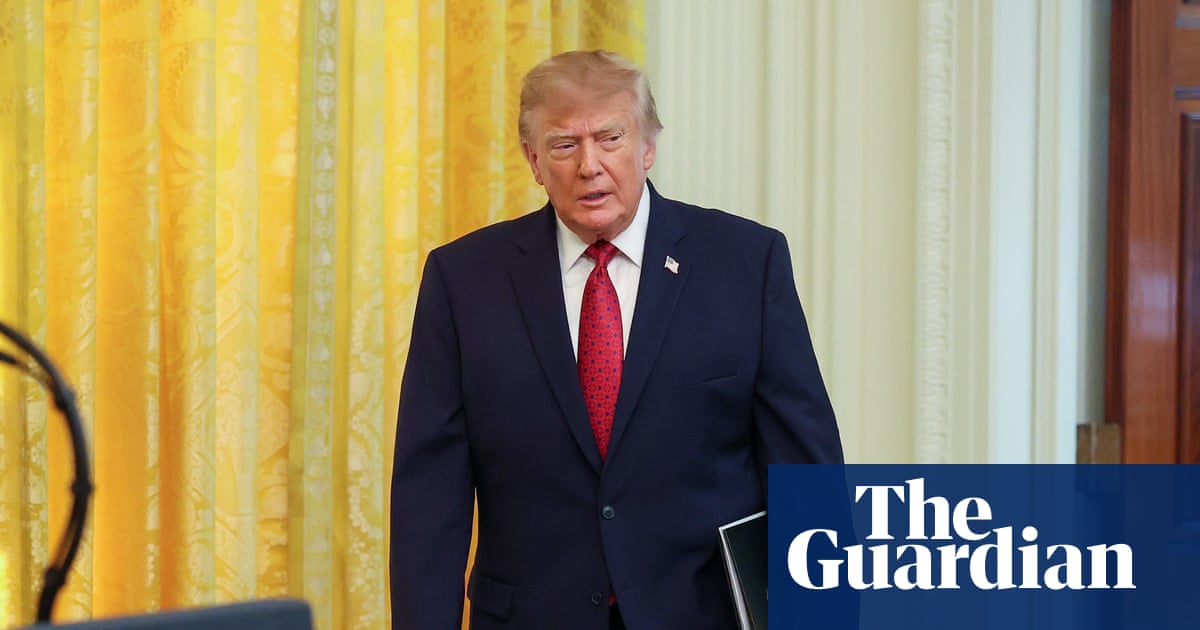
The dispute intensified significantly after Donald Trump returned to the White House, exerting influence over the center’s programming and board appointments. Ticket sales reportedly cratered during this period, leading to an abrupt closure for renovations that left the institution in a state of limbo. Trump has publicly threatened to tear down the entire facility if his demands are not met, arguing that the administration deserves recognition for its role in the center’s survival. He stated that without such acknowledgment, the building would close and eventually be demolished.
Central to the conflict is the effort to rename the institution after Donald Trump. The center’s board, largely appointed by the Republican president, voted in December to add his name to the facility. However, this move faced immediate legal resistance. In May, U.S. District Judge Christopher Cooper ordered the Kennedy Center to remove Trump’s name, ruling that the venue must remain named for and honor President Kennedy exclusively. This judicial intervention highlights the tension between executive influence over federally appointed boards and congressional intent regarding national memorials.
Despite the court order, tensions have escalated further with recent executive actions. Last month, Trump ordered the immediate closure of the Kennedy Center and warned that planned renovations would be canceled unless federal courts permitted his name to appear on the building’s facade. The board subsequently voted to shut down the performing arts building, citing financial and safety concerns as justification for the decision. These moves have drawn criticism and sparked protests, with opponents viewing them as politically motivated retaliation against an institution that does not align with the administration’s branding preferences.
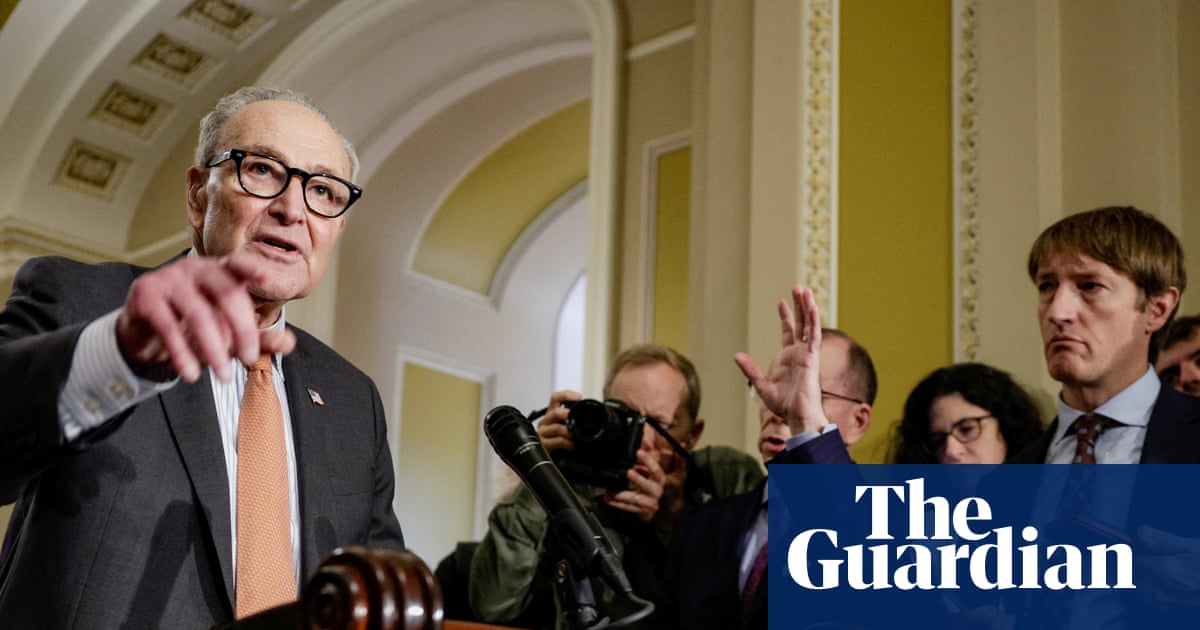
Legislative efforts to protect the Kennedy Center have also encountered significant obstacles. Earlier this week, Republican Senator Mike Lee blocked a bipartisan bill designed to prevent Trump from demolishing the center without explicit congressional approval. This legislative standoff illustrates the fragmented nature of political support for the institution, with some lawmakers prioritizing executive prerogative or fiscal concerns over the preservation of the cultural landmark. The failure of the bill leaves the building vulnerable to unilateral executive action, pending further legal challenges.
The legal landscape remains complex and fluid. Judge Cooper previously directed the Trump administration to provide at least 30 days’ notice before taking any action toward tearing down the building, a measure intended to allow for judicial review and public response. However, the combination of court orders, executive threats, and legislative gridlock has created an environment of profound uncertainty for the Kennedy Center’s staff, artists, and patrons. The relocation of the Honors ceremony is a tangible symptom of this instability, signaling that the institution cannot guarantee its traditional operational continuity.
As the December date approaches, the arts community and the public will watch closely to see how the ceremony proceeds under these strained circumstances. The move to Capital One Arena may serve as a temporary solution, but it does not resolve the underlying questions about the Kennedy Center’s long-term viability. Whether the building will be renamed, demolished, or preserved remains undecided, with outcomes dependent on ongoing court battles and political negotiations. The situation serves as a stark example of how cultural institutions can become flashpoints in broader political conflicts.
The implications extend beyond the immediate logistics of the awards ceremony. The Kennedy Center has long served as a symbol of national artistic achievement and a memorial to a pivotal moment in American history. Its current predicament raises questions about the role of government in supporting the arts and the durability of congressional mandates against executive overreach. As legal proceedings continue and political pressures mount, the fate of the John F. Kennedy Center for the Performing Arts remains one of the most watched cultural-political stories of the year.
Observers note that the uncertainty surrounding the venue’s future could have lasting effects on programming, funding, and public trust in federal cultural institutions. While the Honors ceremony will proceed, its displacement from the Opera House marks a historic break from tradition. The coming months will likely see further legal filings, political maneuvering, and public debate, all of which will determine whether the Kennedy Center survives as a memorial to John F. Kennedy or transforms into a different entity entirely.
Sources behind this briefing
Go to the original reporting
- The Guardian US Politics↗Kennedy Center Honors awards moved to new venue amid Trump’s onslaught