The short version
- President Trump characterizes recent polling data showing low approval as corrupt and inaccurate, asserting he would win any current contest by a wide margin.
- The administration faces voter backlash over economic conditions linked to the prolonged conflict with Iran, including high fuel costs and persistent inflation.
- Trump declined to rule out invoking emergency powers or the Insurrection Act before November elections, raising concerns about potential federal interference in voting processes.
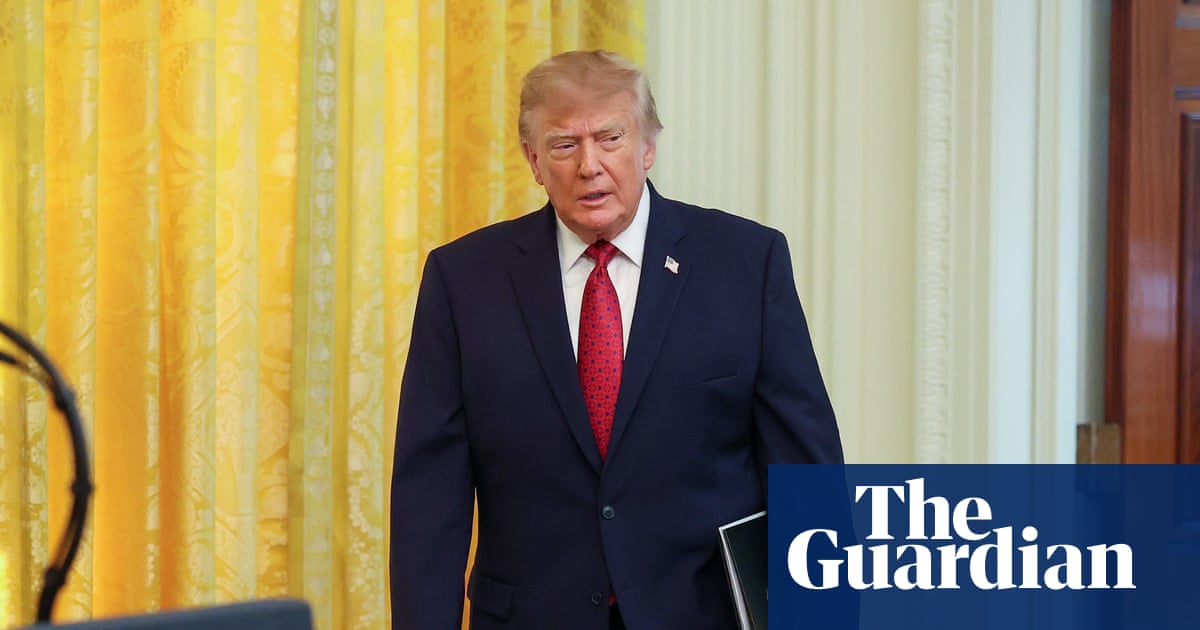
President Donald Trump has refused to eliminate the possibility of declaring a state of emergency prior to the midterm elections, according to a recent interview with Time magazine. This stance emerges as public dissatisfaction with his administration reaches significant levels, driven largely by economic anxieties and the extended duration of military operations in Iran. The president’s comments signal a continued willingness to utilize expansive executive authorities, even as Democratic candidates gain traction in traditionally conservative regions.
During the discussion, Trump addressed questions regarding his previous statements about the timeline for the conflict with Iran. In March, he indicated that hostilities would conclude within two to three weeks, and by May, he suggested a peace agreement was imminent. Now, more than seven months later, he attributed any public misunderstanding of these timelines to media reporting rather than his own communications. He claimed that the press fed misleading narratives to the American public, deflecting responsibility for the gap between early projections and the current reality.
The prolonged engagement has contributed to tangible economic pressures for many households. Gas prices have climbed above four dollars per gallon, and inflation remains stubbornly near 3.4 percent. These financial strains appear to be influencing voter sentiment significantly. An Associated Press/NORC Center for Public Affairs Research poll indicates that only 26 percent of adults approve of the economy under his leadership. Furthermore, approximately 74 percent of respondents described the economic situation as poor, with 65 percent directly attributing rising costs to presidential policies.
Despite these indicators, Trump dismissed the polling data entirely. He labeled the numbers as fake and accused pollsters of corruption, comparing their integrity unfavorably to that of journalists. He maintained that his actual support is much stronger than reported, claiming he could defeat any opponent by twenty points if an election were held today. This assertion stands in stark contrast to survey results showing only 31 percent overall approval for his job performance as president.
The potential impact on the upcoming midterms is a central concern for political analysts. Voter frustration with economic conditions and the war effort may disadvantage Republican candidates, particularly those closely aligned with the White House. Polls suggest Democratic contenders are making gains even in states like Texas, which have historically favored Republicans. Trump brushed off these trends, suggesting that his personal campaigning efforts could bolster Republican performance regardless of current headwinds.
Concerns about election integrity and federal involvement have also surfaced. Some Democratic lawmakers worry that Trump may repeat allegations of fraud if Democrats outperform expectations in November, echoing his refusal to concede the 2020 presidential election. In recent months, he has signed executive orders aimed at tightening control over voting methods, including restrictions on mail-in ballots and stricter identification requirements. He has previously hinted at using emergency declarations to enforce these regulations.
When pressed on whether he would declare a national emergency specifically around the election period, Trump offered no definitive answer. He stated that he does not rule anything in or out, leaving open the possibility of such measures. Additionally, he mentioned the Insurrection Act, a nineteenth-century law permitting domestic military deployment under certain conditions. While noting he has never invoked it, he suggested he could do so and claimed many people believe he should use it occasionally.
The interview also touched on judicial appointments. Trump expressed regret over appointing Supreme Court justices Neil Gorsuch, Brett Kavanaugh, and Amy Coney Barrett, citing their frequent votes against his administration’s interests. Although the court often rules in favor of the executive branch, it has blocked key initiatives, including efforts to roll back birthright citizenship and challenges to sweeping tariffs. These judicial setbacks highlight the complex dynamics within the government as the election cycle intensifies.
Sources behind this briefing
Go to the original reporting
- The Guardian US Politics↗Trump doesn’t rule out declaring state of emergency before midterm elections