The short version
- The Senate Leadership Fund has ceased advertising support for Republican Michael Whatley in North Carolina, redirecting resources to other competitive races.
- Democratic nominee Roy Cooper maintains a consistent polling lead over Whatley, with recent data showing an eleven-point advantage.
- Republicans can afford to lose only three seats to keep control of the Senate, prompting a triage approach to campaign spending.
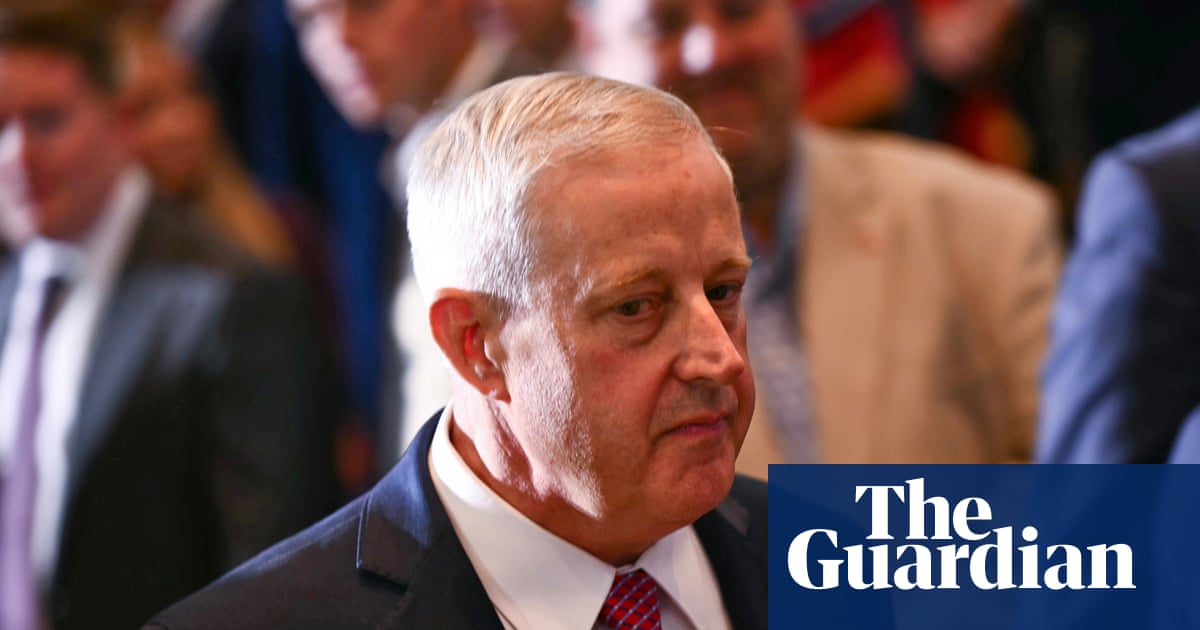
A major Republican political action committee has withdrawn financial support from its Senate candidate in North Carolina, marking a significant shift in strategy as the midterm elections approach. The Senate Leadership Fund, which serves as the campaign arm for Senate Majority Leader John Thune, is pulling its advertising budget from Michael Whatley’s bid to retain the seat. This decision reflects a broader effort by party leaders to reallocate resources toward races where they perceive a higher probability of success or greater risk of losing control.
The fund had originally committed seventy-one million dollars to defend North Carolina, launching advertisements against Democratic nominee Roy Cooper before he had even secured his party’s nomination. These early efforts included controversial messaging linking Cooper to the tragic murder of Iryna Zarutska, a Ukrainian refugee killed on a Charlotte light-rail train. Critics and some participants in the ads have since expressed discomfort with how their stories were utilized, with one victim’s family member stating they felt misled about the nature of the political content.
Despite the substantial investment, Cooper has maintained a steady lead in public opinion polls throughout the year. Recent data from AARP indicates an eleven-point advantage for the former governor, a margin consistent with other surveys that have never shown Whatley closing the gap to less than four points. The persistence of this deficit appears to have influenced the fund’s decision to cut its losses and move capital elsewhere.
The strategic pivot comes as Republicans face a precarious path to maintaining their fifty-three to forty-seven majority in the Senate. With Vice President JD Vance serving as the tiebreaker, the party can afford to lose no more than three seats to keep control. Analysts at the Cook Political Report currently rate the North Carolina race as leaning Democratic, suggesting that holding the seat may be increasingly unlikely regardless of additional spending.
Instead of continuing to pour money into North Carolina, the Senate Leadership Fund is reportedly redirecting its planned thirty million dollar expenditure to support other vulnerable Republican incumbents. One notable beneficiary is Roger Marshall, the senator from Kansas, who faces a strong challenge from Adam Hamilton, a Methodist pastor. The Cook Political Report rates the Kansas race as leaning Republican, but it remains competitive enough to warrant significant outside investment.
Michael Whatley, a former chair of the Republican National Committee, was selected by Donald Trump and positioned as a more moderate alternative to other potential candidates in the closely divided state. His selection was intended to appeal to swing voters in a region that has become increasingly difficult for Republicans to hold. However, the withdrawal of major outside funding underscores the challenges facing even handpicked nominees when polling trends are unfavorable.
The retirement of incumbent Thom Tillis opened the seat to Democrats, who quickly coalesced around Cooper, a well-known figure in state politics. The ease with which Cooper won the nomination allowed his campaign to focus on general election messaging earlier than usual. Meanwhile, Whatley’s campaign has struggled to overcome negative perceptions and policy disagreements that have resonated with voters despite the heavy advertising spend.
As the election draws nearer, the reallocation of funds highlights the intense pressure on Republican leadership to prioritize efficiency over ambition. With seven other races rated as toss-ups, including seats in Alaska, Iowa, Maine, Ohio, and Texas, every dollar must be deployed where it can make the most impact. The decision to abandon North Carolina may signal a broader acknowledgment that some losses are inevitable.
In-person early voting in North Carolina is scheduled to begin on October 15, giving voters several weeks to cast their ballots before Election Day. The withdrawal of major outside support could affect the final dynamics of the race, though Cooper’s consistent lead suggests the outcome may already be trending in his favor. For Republicans, the focus now shifts to defending other key seats where the margins are tighter and the stakes for majority control are higher.
This strategic retreat illustrates the difficult calculations facing political committees as they navigate a challenging electoral landscape. By cutting ties with Whatley, the Senate Leadership Fund is attempting to maximize its remaining resources in races where Republican candidates still have a viable path to victory. The move may also serve as a warning to other campaigns that outside support is contingent on demonstrating competitiveness and potential for success.
Sources behind this briefing
Go to the original reporting
- The Guardian US Politics↗Republican Pac pulls funding from North Carolina Senate race