The short version
- The Independent Planning Commission approved the expansion of a major coal mine in New South Wales, citing economic benefits that outweigh climate risks.
- Critics describe the decision as a betrayal of public trust and a significant failure to align with Paris Agreement goals.
- Federal environmental approval remains pending, while operators face new requirements to limit exports to jurisdictions with compatible climate policies.
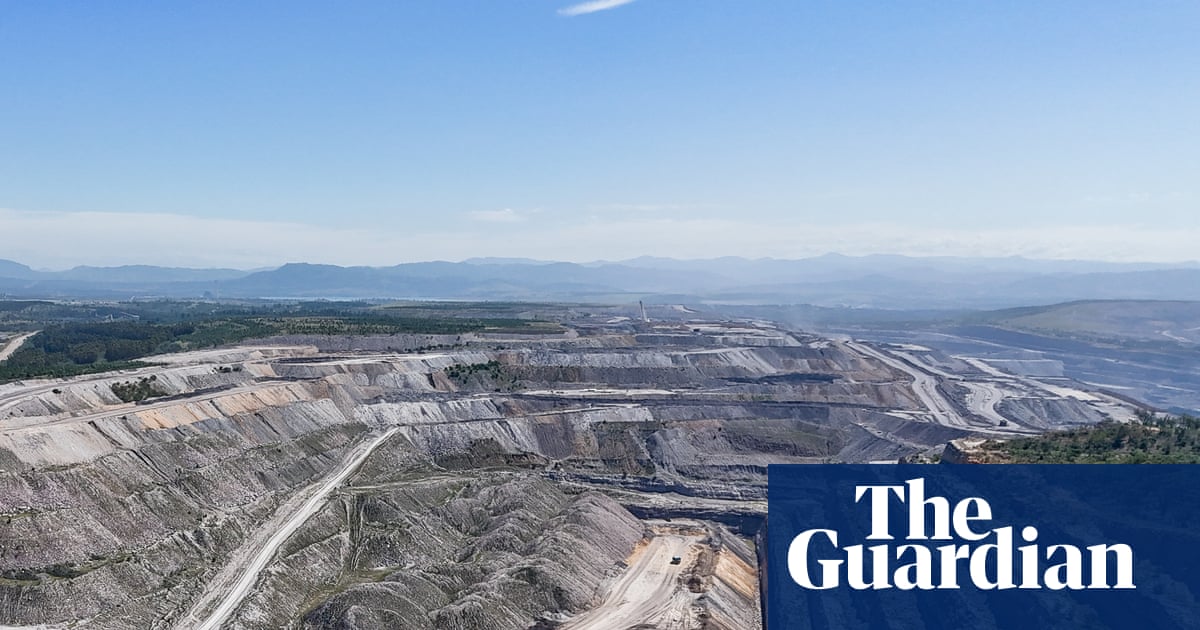
New South Wales has moved forward with one of its largest fossil fuel expansions, as the Independent Planning Commission granted approval for the Hunter Valley Operations Continuation Project. The decision allows mining activities at the Singleton site to continue until 2045, marking a significant shift in the state’s approach to balancing economic interests against environmental obligations. This ruling concludes a contentious assessment process that involved more than ten thousand public submissions and drew intense scrutiny from climate organizations, labor unions, and government authorities.
The commission determined that while the greenhouse gas emissions associated with the mine would contribute to global warming impacts on people, economies, and environments both locally and internationally, these negative effects were outweighed by regional economic benefits. Officials emphasized that the project supports continued employment, sustains local business activity, and ensures ongoing royalty and tax revenue for the state. The approval is framed as a measure to provide economic stability for the Hunter region, facilitating a more orderly transition for workers and communities as the coal industry evolves over time.
Climate advocates reacted with sharp criticism, characterizing the ruling as a catastrophic failure of the planning system. Georgina Woods, co-national coordinator of the Lock the Gate Alliance, described the outcome as an infamous betrayal of public trust, noting that existing laws were designed to protect against such outcomes. Other groups, including Rising Tide and the Climate Council, labeled the decision a historic policy failure and warned that the project acts as a carbon bomb capable of intensifying extreme weather events. These critics argue that the approval contradicts Australia’s commitments under the Paris climate agreement.
The environmental footprint of the project is substantial, with operators estimating that approximately 809 million tonnes of CO2-equivalent will be released over its lifespan. The vast majority of these emissions, roughly 794 million tonnes, are expected to occur when the coal is burned overseas, primarily in power plants. Recent scientific modeling suggests that the additional global heating from this project could expose nearly half a million people to unprecedented heat levels and contribute to significant ecological damage, including the loss of millions of coral colonies on the Great Barrier Reef during bleaching events.
In response to these concerns, the commission imposed specific conditions on the approval. The operator must prepare a plan to manage emissions from overseas burning, limiting exports to jurisdictions with greenhouse gas policies consistent with Paris Agreement goals. This requirement attempts to address the issue of embedded emissions, although critics argue it does not sufficiently mitigate the overall climate impact. Former NSW Fire and Rescue Commissioner Greg Mullins highlighted the interconnected nature of climate harm, noting that emissions exported as coal return as domestic disasters such as bushfires and floods.
Political opposition has been swift and severe. State Greens MP Sue Higginson called the approval an absolute betrayal of scientific evidence and suggested legal challenges are likely. Jacqui Mumford of the NSW Nature Conservation Council criticized Premier Chris Minns for what she termed a complete inability to respond appropriately to the growing climate crisis. The state’s independent Net Zero Commission had previously warned that approving such projects could undermine the state’s ability to meet future climate targets, urging planners to consider all impacts, including those from overseas consumption.
The project involves joint owners Glencore and Yancoal, who seek to extend mining at the north site until 2045 and begin operations at the south site between 2030 and 2042. The company asserts strong local support for the initiative, which provides jobs for approximately 1,500 people. However, the approval is not final; federal environmental clearance is still required, with a decision expected before the end of the year. This next step will determine whether the project can proceed under national regulatory frameworks.
The tension between economic reliance on coal and urgent climate action remains unresolved in New South Wales. While the planning commission prioritized immediate economic stability and job preservation, critics argue that long-term environmental costs and international obligations were sidelined. The coming months will likely see legal and political battles over the decision, as stakeholders grapple with the implications of expanding fossil fuel infrastructure in an era of increasing climate volatility.
Sources behind this briefing
Go to the original reporting
- The Guardian World↗Approval of biggest coal project in NSW planning commission’s history described as ‘infamous betrayal’