The short version
- Malaysia has commenced the return of approximately 1,500 Myanmar nationals, marking the start of a broader plan to repatriate 5,000 individuals.
- United Nations officials and civil society organizations have condemned the move, warning that returns are unsafe due to ongoing civil war and persecution in Myanmar.
- The Malaysian government characterizes the action as necessary to address financial burdens and security concerns linked to its large population of foreign asylum seekers.
Malaysia has officially begun repatriating Myanmar nationals, launching a controversial initiative that sends migrants back to a country engulfed in civil war. The government confirmed on Tuesday that the first group of approximately 1,500 individuals was processed for return, marking the initial phase of a larger operation intended to send 5,000 people back to their homeland. This action represents a significant shift in policy enforcement, moving from detention and containment to active deportation despite widespread international concern regarding the safety of those being returned.
The repatriation effort has drawn sharp criticism from global human rights bodies and advocacy groups. United Nations officials have urged Kuala Lumpur to halt the process immediately, citing the severe humanitarian crisis within Myanmar. Since a military coup in 2021, the country has experienced intense conflict, with reports of egregious human rights violations and widespread violence. International observers argue that returning individuals to such an environment exposes them to immediate danger, undermining any claim that the departures are truly voluntary or safe.
A central point of contention involves the status of the Rohingya minority, who constitute a significant portion of the Myanmar refugee population in Malaysia. Estimates suggest that Rohingya individuals make up roughly two-thirds of the 190,000 Myanmar nationals seeking asylum in the region. Many fled a brutal military crackdown in 2017, fearing persecution that rights organizations have described as genocidal. Neither the Malaysian nor the Myanmar government has provided specific data on how many Rohingya are included in this first cohort, leaving advocates worried that vulnerable populations are being sent back to face renewed hostility.
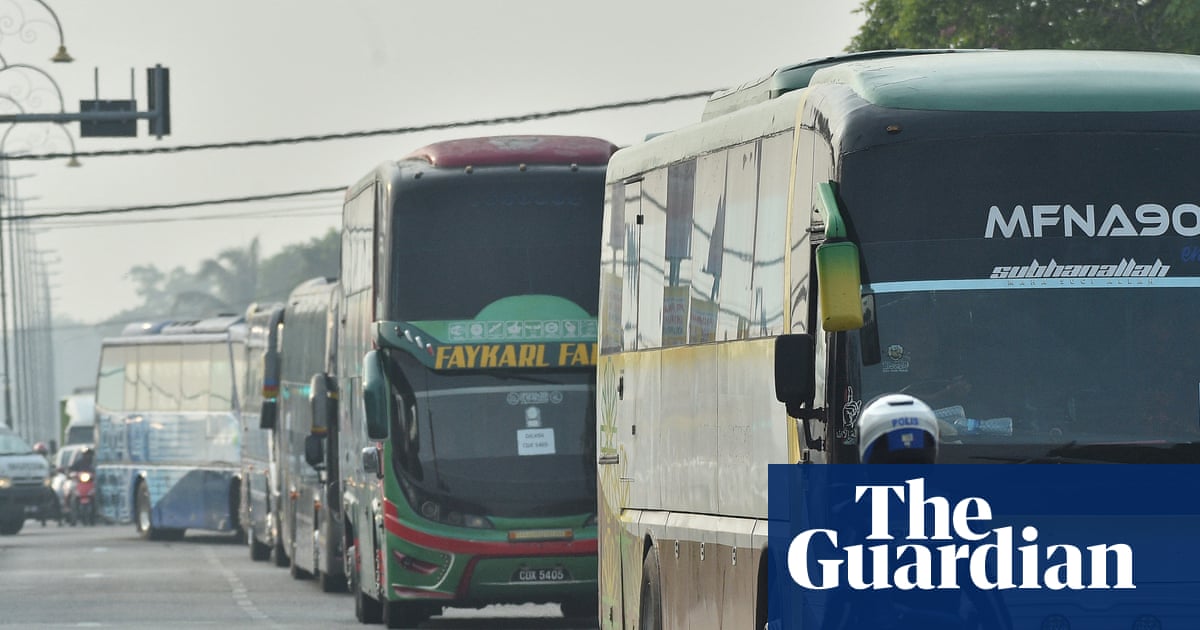
Logistical operations for the return were visible at Malaysia’s Lumut naval base, where reporters observed three ships belonging to the Myanmar navy departing after processing the migrants. The individuals were transported under police escort from detention centers to buses and eventually to the vessels. This coordination highlights a bilateral agreement between Kuala Lumpur and Naypyidaw, with Myanmar pledging earlier this month to facilitate safe and dignified returns for its displaced citizens abroad. However, critics remain skeptical of these assurances given the deteriorating security situation on the ground.
The Malaysian government defends the repatriation as a necessary measure to resolve what it terms a legacy issue involving foreign asylum seekers. Officials state that 95 percent of these individuals are from Myanmar and argue that their presence imposes a heavy financial strain on the nation. The interior ministry released a statement asserting that the situation has triggered social crises and created tangible security threats for Malaysian citizens. This perspective reflects growing domestic anti-migrant sentiment, which has intensified as authorities struggle to manage one of Southeast Asia’s largest refugee populations without a formal legal framework for asylum.
Tensions preceding the repatriation included a notable incident in July when Prime Minister Anwar Ibrahim announced the agreement with Myanmar. The announcement followed the detention of more than 100 Rohingya individuals who had gathered outside the United Nations refugee agency office in Kuala Lumpur. These migrants were seeking assistance after facing eviction threats from an informal settlement in northern Penang state. Although they were later released upon verification of their UN documentation, the event underscored the precarious legal standing of refugees in Malaysia, which is not a signatory to the 1951 Refugee Convention and does not formally recognize refugee status.
Civil society organizations have mobilized against the deportations, with over 160 groups issuing a joint statement calling for an immediate halt. They argue that talks regarding the conditions in Myanmar must continue before any returns occur. The United Nations High Commissioner for Human Rights emphasized that the current environment in Myanmar is far from safe or sustainable. He stressed that fundamental human rights to seek asylum must be properly considered, warning that forced returns could result in further suffering for those who fled for their lives.
As the first ships depart, the situation remains fluid and fraught with uncertainty. While Malaysia proceeds with its plan to reduce its refugee population, international bodies continue to monitor the developments closely. The clash between national security priorities and international humanitarian obligations highlights the complex challenges faced by host countries in regions affected by prolonged conflict. The outcome of this repatriation effort may set a precedent for how other nations handle similar migration pressures in the absence of robust global protection mechanisms.
Sources behind this briefing
Go to the original reporting
- The Guardian World↗Malaysia begins Myanmar repatriations despite warnings from UN and rights groups