The short version
- A 2021 military report indicates SAS officers were aware of unlawful 'throwdowns' but did not intervene to stop the practice.
- The investigation highlights a systemic failure in leadership and discipline, describing an environment where non-commissioned officers often dominated junior commissioned officers.
- While earlier inquiries blamed patrol-level commanders for misconduct, this new analysis points to broader cultural issues within the special operations command structure.
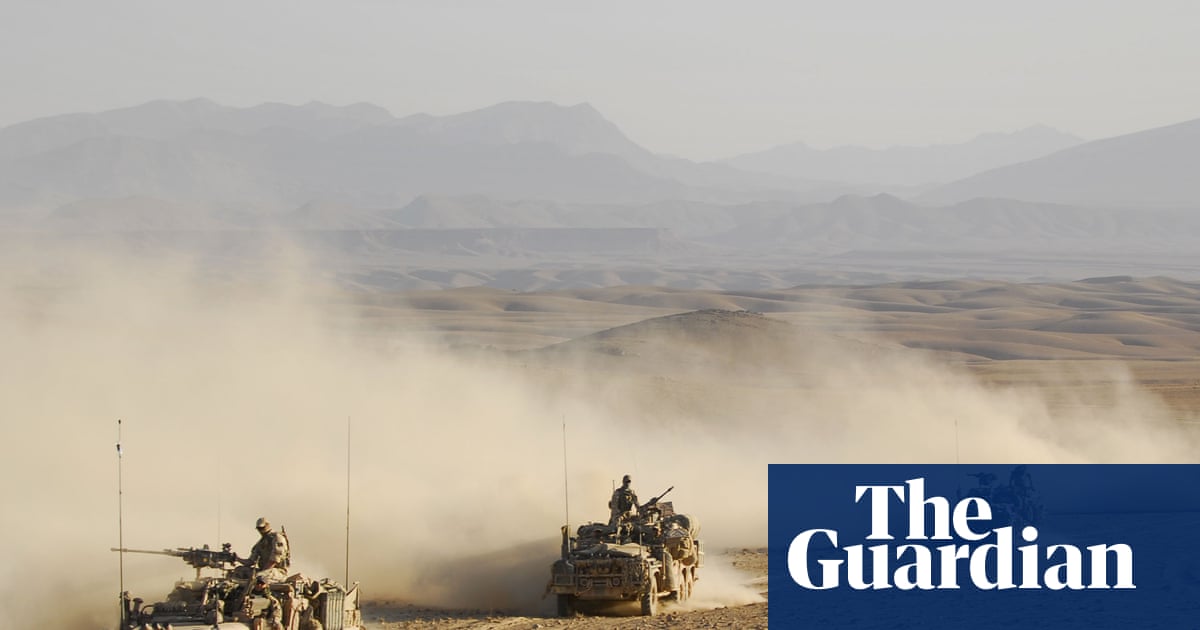
A newly released executive summary of a 2021 military investigation reveals that Australian Special Air Service officers were aware of unlawful practices during the war in Afghanistan but failed to take effective action to stop them. The report, commissioned by former defense force chief Angus Campbell and conducted by the Inspector General of the Australian Defence Force, criticizes a significant breakdown in command structures that allowed egregious behavior to persist within the regiment.
Central to the findings is the issue of 'throwdowns,' a practice where soldiers planted weapons on the bodies of dead Afghan civilians to portray them as combatants. This tactic was used to justify engagements under rules of engagement and to facilitate fraudulent reporting. The investigation concludes that officers with actual knowledge of this misconduct, or even rumors of it, did not investigate or address these issues, sending a powerful signal that such non-compliance was tolerated.
This new analysis adds nuance to the findings of the Brereton Inquiry, which was made public in 2020. That earlier investigation found credible information that Australian special forces personnel had murdered 39 Afghan civilians and prisoners. However, the Brereton report largely exonerated commissioned officers, attributing the criminal behavior to patrol commanders who were typically non-commissioned officers such as corporals or sergeants. The 2021 report challenges this limited scope by highlighting how senior leadership failures enabled these lower-level actions.
The inspector general’s report describes a corrosive effect on military discipline resulting from a failure to enforce rules at all levels. It notes that the proper functioning of the defense force relies on hierarchical enforcement, and when this fails, it impacts morale and behavior. The special operations command developed an uncontrolled warrior ethos, exacerbated by the long and grinding nature of the conflict. Soldiers were repeatedly deployed to dangerous environments, contributing to moral injury and impaired decision-making among a small cohort of personnel.
A key factor identified in the report is the inversion of the chain of command within the SAS regiment. Senior non-commissioned officers were able to dominate junior commissioned officers, who ostensibly held superior rank. This dynamic resulted in junior officers occupying a position described as learned helplessness, where they felt unable or unwilling to challenge the actions of their subordinates. The excessively secretive and insular nature of the unit further contributed to worsening standards and a lack of proper supervision.
The report also points to specific behavioral signals that undermined discipline, such as the consistent allowance of alcohol consumption by SAS soldiers during deployments in Afghanistan. This practice defied orders imposed on other military personnel and reinforced the perception among special forces troops that standard rules did not apply to them. The tolerance of such overt non-compliance was a manifestation of the broader breakdown in military discipline within the regiment.
Documentation practices were also found to be deeply flawed, with soldiers writing false reports focused on circumlocution rather than factual accuracy. A common phrase used to describe engagements with civilians who fled, known as squirters, was manoeuvring to a position of tactical advantage. This expression was used so regularly that it lost its meaning, serving primarily to justify engagement under rules of engagement and assist perpetrators in concealing their actions.
The executive summary emphasizes that while the culture of the Special Operations Task Group was not the direct cause of misconduct, it created an environment that enabled a few individuals to act unlawfully. Reporting systems designed to prevent such behavior became depleted and largely unreliable, giving officers a false sense of assurance about the integrity of their operations. The findings suggest that addressing these cultural and leadership deficits is crucial for restoring trust in military institutions.
As these previously unpublished details come to light, they underscore the complexity of accountability in special forces operations. The report does not just identify individual failures but points to systemic issues in how command and control were exercised in a high-stress, isolated environment. Understanding these dynamics is essential for evaluating the broader implications of the Australian military’s conduct in Afghanistan and for informing future reforms in special operations oversight.
The release of this report follows years of public scrutiny and legal proceedings related to the conduct of Australian troops in Afghanistan. It provides a more comprehensive view of the institutional failures that accompanied individual acts of misconduct. By highlighting the role of senior officers and the regimental culture, the investigation offers a critical perspective on how leadership vacuums can permit unlawful behavior to flourish unchecked.
Sources behind this briefing
Go to the original reporting
- The Guardian World↗Australian SAS officers knew about unlawful ‘throwdowns’ on dead Afghans, report says