The short version
- Combined water volumes at the Menindee Lakes have dropped below 480 gigalitres, marking the lowest level recorded since 2021.
- The New South Wales government has enacted temporary restrictions on upstream irrigation to preserve critical reserves for human consumption and environmental stability.
- Experts warn that without significant rainfall or improved river flows, the region faces a high probability of mass fish deaths during the upcoming summer months.
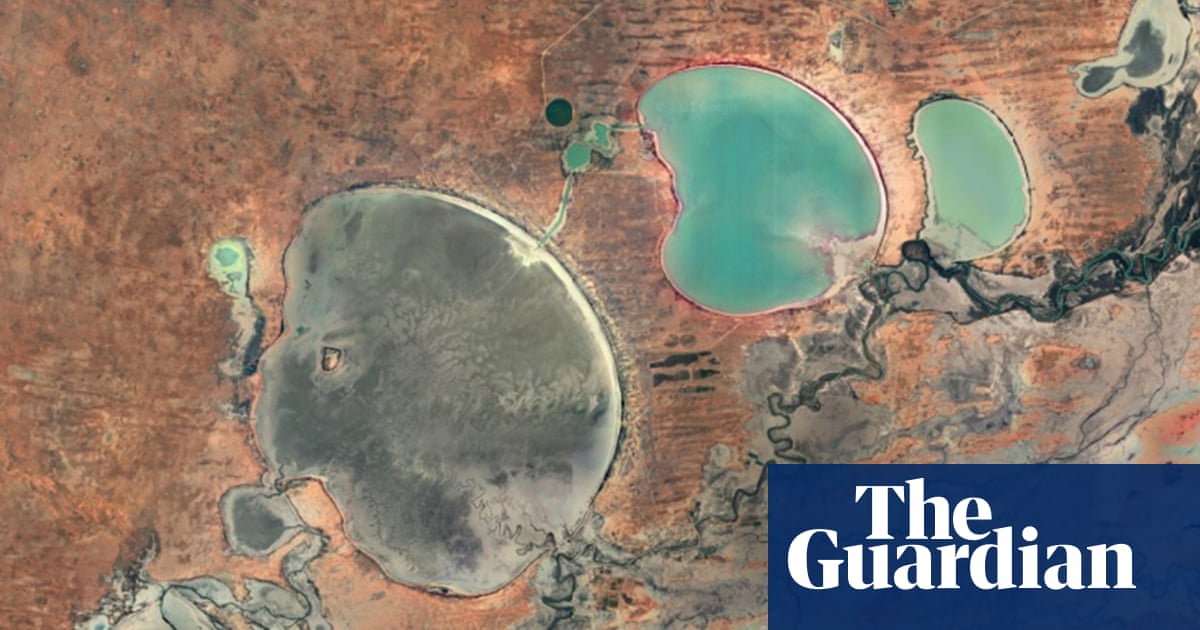
Water levels at the Menindee Lakes in western New South Wales have declined to their lowest point in five years, prompting state authorities to implement immediate restrictions on upstream water usage. The combined volume of the lake system fell below 480 gigalitres earlier this month, a threshold not breached since 2021. In the upper sections of the lakes, volumes have dropped further, falling beneath the 250-gigalitre mark that triggers temporary state-level controls across parts of the northern Murray-Darling basin.
These new measures limit access for certain irrigators and are designed to safeguard water supplies for essential human needs while maintaining baseline environmental health. The decision follows a twelve-month period characterized by insufficient rainfall in the catchment area. Officials view these restrictions as a necessary intervention to mitigate the growing risk of ecological damage, particularly as temperatures are expected to rise over the coming months.
The primary concern among scientists and local residents is the potential for mass fish deaths, a recurring disaster that has plagued the region in recent years. Catastrophic die-offs occurred in 2018, 2019, and 2023, resulting in millions of dead fish washing up along stretches of the Darling-Baaka River. Professor Jamie Pittock of the Australian National University and the Wentworth Group of Concerned Scientists stated that government officials predict with a degree of certainty that fish kills will occur this summer unless water flows into the river improve significantly.
Pittock emphasized that preventing another ecological collapse requires two specific conditions: a major rainfall event and strict enforcement by state governments to prevent irrigators from pumping out the initial surge of water. Without these factors, the risk remains acute. Graeme McCrabb, a Menindee resident who helped raise alarms during the 2018-2019 disasters, noted that the lakes have reached what he terms 'drought reserve volumes.' This status implies that water conservation must be prioritized above all other considerations.
Despite the grim outlook, there is cautious optimism regarding recent weather patterns. McCrabb reported small inflows crossing from Queensland, which offer some hope for replenishing the Menindee system during the summer. However, he cautioned that these minor contributions are insufficient on their own and that additional rainfall is necessary to substantially lower the risk of fish kills in January or February. A milder summer temperature profile would also help reduce the likelihood of algal blooms and subsequent oxygen depletion.
State officials acknowledge the severity of the situation. Rose Jackson, the NSW water minister, stated that no one is underestimating the challenges facing Menindee this summer. She highlighted that the government’s focus remains on protecting water quality and native fish populations through active management rather than passive waiting for rain. In addition to the usage restrictions, authorities have installed temporary fish passage structures to facilitate better movement for native species and established a dedicated working group to monitor water quality.
The current crisis has reignited debates over long-term policy implementation. Following the 2023 state election, Premier Chris Minns and senior ministers visited Menindee to commit to an investigation into the causes of previous mass fish kills. An expert panel was subsequently established under the northern basin connectivity program, which recommended limiting upstream overextraction during dry periods to maintain tributary flows into the Darling-Baaka River.
Although the panel delivered its final report two years ago, the state government has yet to fully implement its recommendations. McCrabb expressed disappointment that no policy changes have been made to improve water quality outcomes since the earlier disasters. He argued that without structural reforms to address overextraction, the region remains vulnerable to repeated ecological failures, regardless of short-term emergency measures.
Sources behind this briefing
Go to the original reporting
- The Guardian World↗Menindee Lakes water levels drop to lowest in five years as experts warn of mass fish deaths