The short version
- The Federal Reserve maintained its benchmark interest rate at the 3.75% to 4% range, marking a pause after raising rates in September for the first time since 2023.
- Inflation remains above the central bank's 2% target, driven largely by supply chain disruptions linked to conflict in the Middle East and soaring oil prices.
- Market participants anticipate another rate increase at the December meeting, despite the current hold, as officials weigh the risks of slowing economic growth.
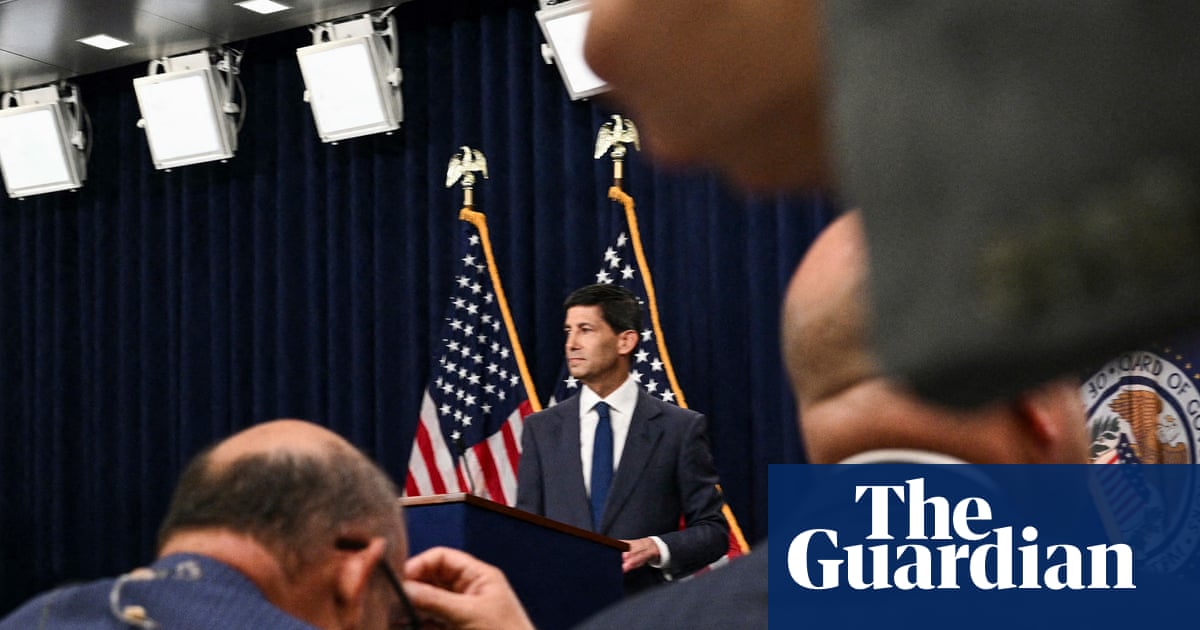
The Federal Reserve concluded its final policy meeting before the midterm elections by leaving interest rates unchanged, a decision that keeps borrowing costs at some of their highest levels in two decades. The central bank maintained the benchmark rate within a range of 3.75% to 4%, reversing the upward trajectory established during last month’s vote. This pause comes as policymakers navigate a complex economic landscape defined by persistent price pressures and significant geopolitical instability.
The decision was not unanimous. Two of the twelve voting members dissented, arguing that the committee should have raised rates by an additional quarter point. Their stance reflects a concern that inflation remains too entrenched to warrant a break in tightening measures. However, the majority opted for a wait-and-see approach, emphasizing the need to gather more data before committing to further aggressive action. This strategy aims to balance the fight against rising prices with the risk of stifling economic activity.
Inflation has proven stubborn throughout the year, consistently hovering above the Fed’s 2% target. For much of 2026, the annualized inflation rate has stayed above 3%, reaching 3.7% in September after climbing from 3.4% in August. These figures represent a significant deviation from the stability central bankers have sought to restore since the post-pandemic economic surge. The persistence of high prices has frustrated consumers and businesses alike, who face higher costs for goods and services across multiple sectors.
A primary driver of this inflationary pressure is the ongoing conflict in the Middle East involving Iran. The war has disrupted global energy markets, leading to a sharp increase in oil prices. At one point earlier this week, crude oil traded above $117 per barrel, marking its highest level in over six months. The closure of the Strait of Hormuz, a critical chokepoint for international trade, has exacerbated these supply shocks. These external factors have pushed up costs for transportation and manufacturing, contributing significantly to the broader rise in consumer prices.
The timing of the rate pause coincides with heightened political sensitivity. With midterm elections approaching next week, the Federal Reserve appears keen to avoid any radical policy shifts that could be interpreted as politically motivated or economically destabilizing. Economists note that even if the central bank were to implement drastic changes now, the economy would not have sufficient time to adjust before voters head to the polls. Consequently, maintaining the status quo may be seen as a prudent move to preserve institutional credibility and avoid unnecessary market volatility.
Despite the current hold, expectations for future policy remain firm. Many investors and analysts predict that the Fed will raise rates again at its next meeting in December. This anticipation stems from the belief that one more hike is necessary to ensure inflation returns to target levels sustainably. Federal Reserve Governor Christopher Waller recently indicated that while rate increases do not need to occur at every consecutive meeting, they must be implemented within an acceptable timeframe to prevent price pressures from becoming entrenched.
The debate over how to address supply-driven inflation continues to divide economic experts. Some argue that raising interest rates is ineffective when price surges are caused by external shocks rather than excessive domestic demand. Increasing borrowing costs in such scenarios could slow economic growth without significantly reducing inflation, potentially causing more harm than good. However, Fed Chair Kevin Warsh has countered this view, asserting that the central bank’s role is to prevent temporary price spikes from broadening into economy-wide inflationary expectations.
Warsh emphasized that while the Fed cannot control individual prices such as oil or food, it can mitigate second- and third-order effects on the broader economy. By keeping rates elevated, the central bank aims to anchor long-term inflation expectations and prevent a wage-price spiral. This approach seeks to ensure that relative price changes do not become permanent features of the economic landscape. The challenge lies in calibrating policy precisely enough to cool inflation without triggering a recession.
The outcome of this policy stance will have immediate implications for consumers and businesses. Interest rates directly influence the cost of credit cards, mortgages, and savings accounts. A pause provides temporary relief from rising borrowing costs, but the underlying high rates continue to weigh on spending and investment decisions. As the midterm elections draw near, the economy remains a top concern for voters, with polls indicating that financial stability and cost-of-living issues are likely to play a decisive role in determining congressional control.
Looking ahead, the Federal Reserve faces a delicate balancing act. It must monitor incoming data on inflation and employment while navigating geopolitical uncertainties that could further disrupt supply chains. The next few months will be critical in assessing whether the current pause is sufficient to allow for a soft landing or if more aggressive measures will be required. Until then, markets and policymakers alike will remain vigilant, watching for signs that inflation is truly receding or that new pressures are emerging.
Sources behind this briefing
Go to the original reporting
- The Guardian World↗Fed holds interest rates steady in last decision before midterms
- NPR↗Fed holds interest rates steady even as inflation remains stubborn