The short version
- Linda McMahon intends to spend approximately $43,000 on new office furnishings for her relocated workspace.
- The administration maintains that broader departmental cuts and relocation efforts are saving taxpayers millions annually.
- Efforts to dismantle the Department of Education continue through staff reductions and transferring functions to other federal bodies.
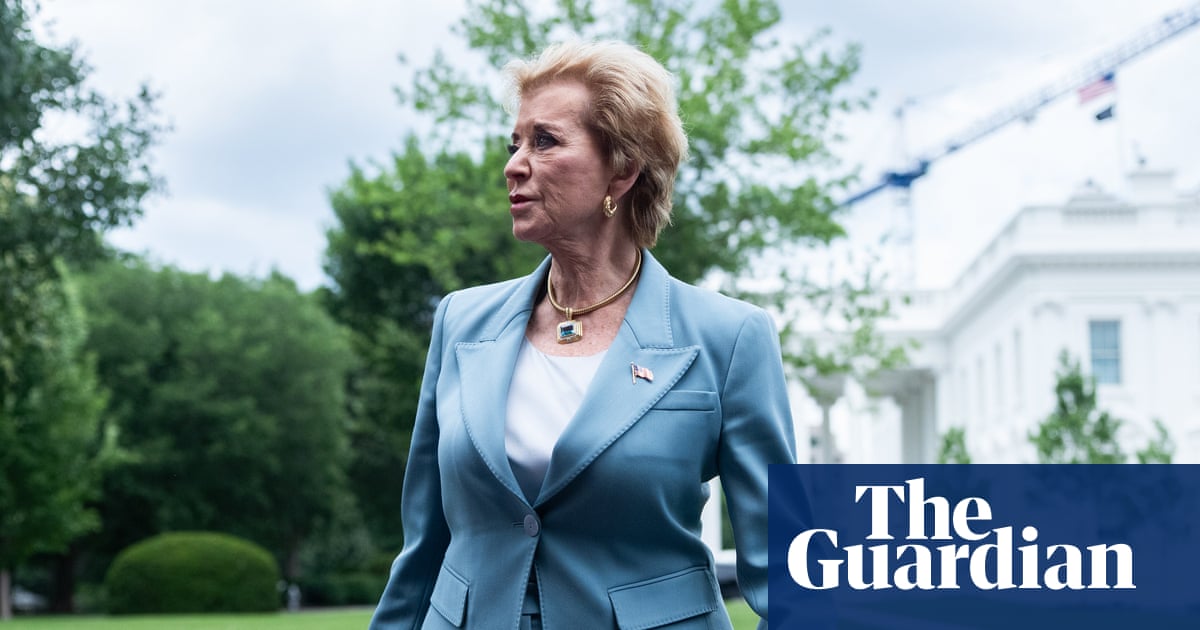
Linda McMahon, the secretary of education, is preparing to spend roughly $43,000 on new furniture for her office, a move that has drawn scrutiny given the administration’s broader narrative regarding fiscal restraint. The expenditure includes a new desk, conference table, chairs, and other essential items required for the secretary’s daily operations. This specific cost stands in contrast to the administration’s repeated assertions that its controversial education cuts are generating significant savings for taxpayers.
According to non-public records reviewed by news organizations, McMahon’s office informed Congress that the existing furniture was worn out and could not be effectively integrated into the agency’s new workspace configuration or aesthetic. The department is relocating from its long-standing headquarters in the Lyndon B. Johnson building to a smaller facility in downtown Washington, D.C. This new location previously housed the U.S. Agency for International Development before that agency was shut down by the Trump administration.
In March, McMahon announced that this relocation would result in annual savings of $4.8 million for taxpayers. However, the need for new furnishings has introduced a counter-narrative to those projected savings. An unnamed senior official indicated to reporters that the new furnishings are expected to cost precisely $43,278.64. While this figure is modest compared to the claimed annual savings, it highlights the logistical costs associated with the department’s downsizing and physical consolidation.
Savannah Newhouse, the press secretary for the education department, defended the purchase in a statement. She asserted that the administration continues to save taxpayers millions through its education cuts. Newhouse emphasized that federal offices, much like private sector entities, require functional spaces for sitting, writing, and meeting. The defense suggests that the administration views these expenditures as unavoidable operational necessities rather than discretionary spending.
The furniture purchase occurs against the backdrop of McMahon’s stated goal to permanently shutter the Department of Education. Shortly after returning to office in 2025, Donald Trump signed an executive order directing McMahon to close the department. McMahon, a former executive at World Wrestling Entertainment, has been a vocal advocate for reducing the federal government’s role in education policy.
However, the Department of Education was established by Congress and can only be dissolved through congressional action. As of now, the Republican-controlled chambers have not moved to formally abolish the department. Instead, the administration has pursued a strategy of diminishing its power through workforce reductions and interagency agreements. These measures aim to effectively neutralize the department’s influence without requiring legislative approval.
So far, the administration has nearly halved the department’s staffing levels. Additionally, specific responsibilities have been transferred to other agencies. Special education services have been moved to the Department of Health and Human Services, while civil rights enforcement efforts have been shifted to the Justice Department. These transfers are part of a broader effort to decentralize educational oversight.
Trump and McMahon argue that reducing the department’s scope will grant states greater authority over education policy. They contend that this shift will eliminate unnecessary bureaucratic processes. Critics, however, point out that states already control most aspects of their education policies. The ongoing tension between federal reductionism and state autonomy remains a central feature of the current political landscape.
The juxtaposition of high-level cost-cutting rhetoric with specific administrative expenses like office furniture underscores the complexities of implementing large-scale government restructuring. While the administration highlights macro-level savings, individual expenditures continue to draw attention. The situation illustrates the practical challenges of downsizing a major federal department while maintaining basic operational standards.
As the department continues to shrink and transfer functions, the long-term impact on educational services remains uncertain. The relocation to a smaller facility symbolizes the physical manifestation of these policy shifts. Whether these changes will achieve the administration’s goals of efficiency and state empowerment or create new administrative hurdles is still being debated by policymakers and observers alike.
Sources behind this briefing
Go to the original reporting
- The Guardian World↗Education secretary Linda McMahon plans to spend nearly $43,000 on office furniture