The short version
- Elon Musk’s America PAC has spent more than $500,000 to support Republican incumbent Mike Lawler in New York’s 17th congressional district.
- The funding focuses on voter outreach and digital media as Lawler faces a challenge from Democrat Cait Conley in a key swing race.
- Conley accuses Lawler of prioritizing Musk’s interests over AI regulation, while the campaign denies coordinating with outside groups.
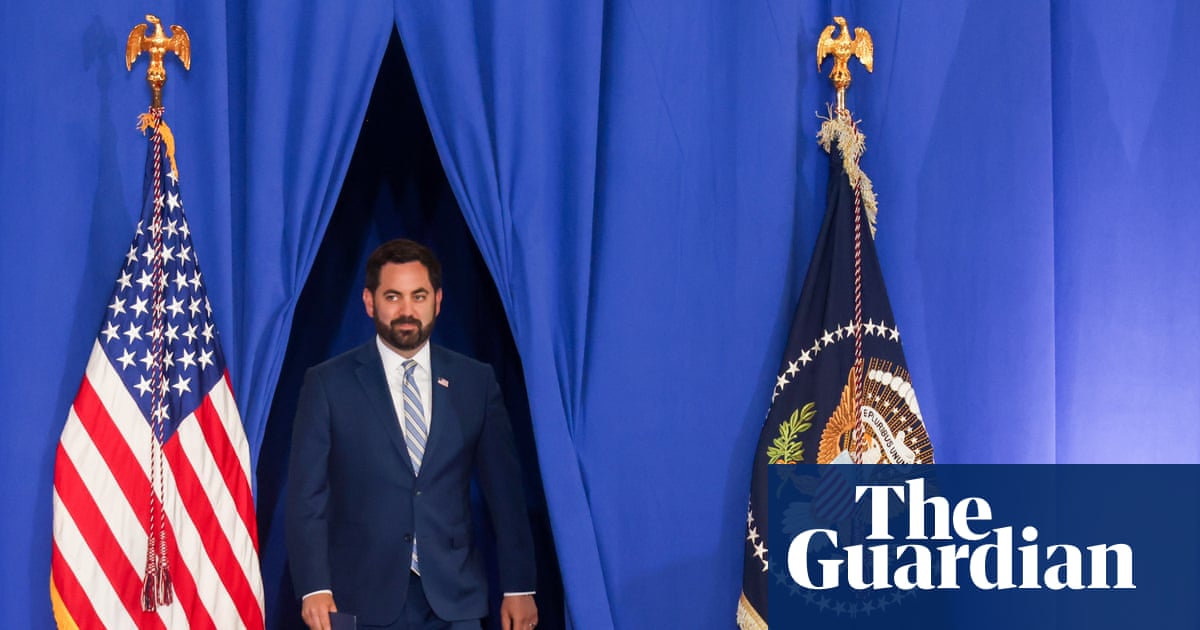
A significant financial push by Elon Musk’s political action committee is reshaping the dynamics of New York’s 17th congressional district race. America PAC, the super PAC founded by the billionaire entrepreneur, has deployed more than $500,000 to aid incumbent Republican Mike Lawler as he seeks re-election in the upcoming midterm elections. This expenditure marks a notable escalation in outside spending for a contest that political observers view as critical to determining whether Republicans can maintain their majority in Congress.
The race pits Lawler, a moderate Republican representing parts of the Hudson Valley, against Democrat Cait Conley. The district has emerged as one of the most closely watched battlegrounds in the nation due to its competitive nature and potential impact on the broader balance of power in Washington. Federal Election Commission filings reveal that America PAC has been active in the race for over a year, funneling resources into various campaign activities aimed at securing Lawler’s position.
Most of the recent spending has been directed toward voter outreach initiatives. These efforts include text messaging campaigns, printing materials, postage costs, and digital media services designed to engage constituents directly. The strategy reflects a broader trend in modern political campaigning where independent expenditures play a crucial role in mobilizing support and countering opposition narratives. Gothamist was the first outlet to report on the specific scale of Musk’s involvement in this particular contest.
Musk has emerged as the largest donor for Republican candidates in this midterm cycle, having funneled approximately $276 million into conservative groups and America PAC since early July. This substantial financial backing is intended to help push Republican candidates across the finish line at a time when polling indicates a slight disadvantage for the party. Many voters have expressed frustration with the cost of living under President Donald Trump, creating a challenging environment for incumbents seeking re-election.
The level of investment in Lawler’s race is particularly striking given Musk’s previous support. America PAC spent more than $2 million to help re-elect Lawler during the 2024 election cycle. The renewed focus on this district suggests that Musk and his allies view Lawler’s seat as vulnerable and worth protecting through aggressive financial intervention. The spending underscores the high stakes involved in maintaining Republican control of key congressional districts.
Democratic challenger Cait Conley, a former head of the Cybersecurity and Infrastructure Security Agency, has framed the race around issues of technology regulation and corporate influence. She has accused Lawler of shielding Musk from regulatory scrutiny rather than taking necessary action to govern artificial intelligence. Conley argued on social media that AI poses significant threats to public safety and security, claiming that Lawler is obstructing congressional efforts to address these risks due to his ties to the billionaire.
Conley’s criticism highlights a growing tension between political loyalty and regulatory oversight in the tech sector. By positioning herself as a candidate willing to challenge powerful industry figures, she aims to appeal to voters concerned about unchecked corporate power and potential dangers associated with emerging technologies. Her campaign narrative seeks to differentiate her from Lawler by emphasizing accountability and proactive governance in areas where Musk has significant interests.
Lawler’s campaign team has distanced itself from the super PAC’s activities, citing legal restrictions on coordination between campaigns and independent expenditure groups. Ciro Riccardi, Lawler’s campaign manager, stated that they have no control over what America PAC or other outside entities spend in the race. This separation is required by law to prevent direct collaboration while allowing independent supporters to advocate for candidates through their own channels.
As the election approaches, the impact of these financial injections remains uncertain. While money can amplify messages and reach voters, it does not guarantee success, especially in a district where voter sentiment may be shifting due to economic concerns. The race will likely serve as a bellwether for how effective outside spending is in swaying moderate districts during a midterm cycle marked by dissatisfaction with the status quo.
The outcome of this contest could have broader implications for Republican strategy in future elections. If Lawler retains his seat despite strong Democratic challenges and significant outside opposition, it may signal resilience within the party’s base. Conversely, a loss could indicate deeper vulnerabilities that Republicans must address if they hope to maintain their congressional majority. All eyes remain on New York’s 17th district as a key indicator of national political trends.
Sources behind this briefing
Go to the original reporting
- The Guardian US Politics↗Elon Musk’s Super Pac spends $500,000 to back New York Republican in midterms