The short version
- Justice Elena Kagan stated that the Supreme Court’s recent rulings have blinded itself to the negative impacts on the political system.
- The justice linked decisions striking down voting rights protections and campaign finance limits to increased partisan gerrymandering and extreme candidate positioning.
- These remarks were made during a law school discussion shortly before midterm elections, highlighting concerns about the health of American democracy.
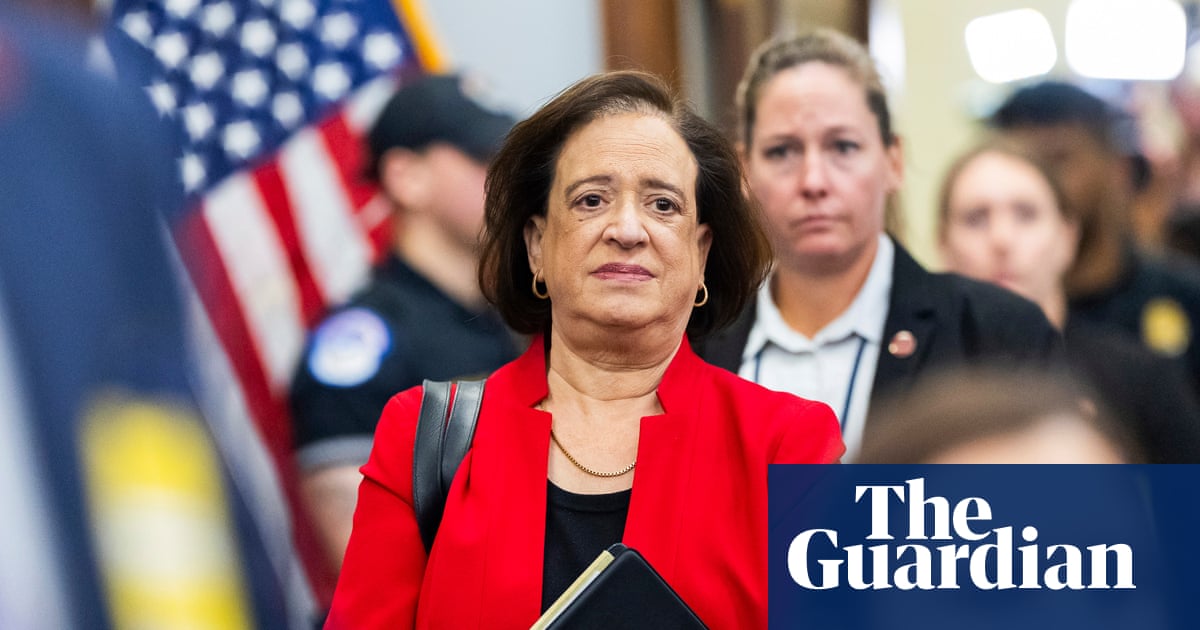
Justice Elena Kagan issued a sharp critique of the Supreme Court’s conservative majority this week, asserting that recent judicial decisions have significantly damaged the functionality of the United States political system. Speaking at Catholic University’s law school in Washington DC, the liberal justice argued that the court has failed to recognize the harmful consequences of its rulings on redistricting and campaign finance. She described the current state of affairs as a democracy that is not operating as effectively as it should, suggesting that the institution has neglected the deleterious effects of its actions on political stability.
Kagan’s comments arrive at a critical juncture in the American electoral calendar, just two weeks before midterm elections. The timing underscores the intensity of ongoing battles over congressional redistricting and the broader implications for voting rights. Her remarks reflect a growing concern among legal scholars and political observers that the judiciary’s recent trajectory is exacerbating existing divisions rather than resolving them. By highlighting these issues now, Kagan draws attention to the immediate stakes for voters and the long-term health of democratic institutions.
Central to her argument is the court’s earlier decision this year to strike down Louisiana’s congressional map. This ruling effectively weakened a major provision of the Voting Rights Act, a landmark legislation designed to protect minority voting rights. Kagan emphasized that voting rights are foundational to a healthy political system. She suggested that when democracy functions well, it can produce a wide range of positive outcomes across various policy areas. However, she warned that undermining these foundations creates instability and erodes public trust in government processes.
The justice also pointed to the court’s June decision regarding campaign finance restrictions. In that ruling, the conservative majority struck down limits on how much political parties can spend on candidates. Kagan criticized this move, noting that it contributes to an environment where large sums of money chase political candidates. She argued that this dynamic creates a nightmare scenario for ordinary Americans who observe the influence of wealth in politics. The increasing presence of money in elections, she contended, distorts the democratic process and alienates citizens from their representatives.
Kagan further criticized the court’s 2019 decision which held that federal courts should not intervene in cases involving partisan gerrymandering. She described this stance as enabling both major political parties to engage in a race to the bottom. By allowing extreme partisan manipulation of district boundaries, the court has effectively deprived many citizens of their right to voting equality. This lack of judicial oversight has led to maps that favor one party over another, reducing competitive elections and diminishing the power of individual voters.
The consequences of these gerrymandering practices extend beyond map lines, according to Kagan. She argued that they push political candidates away from the center and toward ideological extremes. In a system where primary challenges pose a greater threat than general election competition, politicians have little incentive to appeal to moderate voters. This dynamic fosters polarization, making it difficult for lawmakers to find common ground or compromise on key issues. Kagan expressed concern that this trend is making an already polarized country even more divided.
Looking ahead to upcoming elections, Kagan highlighted the destructive nature of efforts to turn large, diverse states into solidly red or blue strongholds. She noted that many states have substantial numbers of voters from both major parties, yet redistricting strategies often aim to eliminate this competition. This approach not only disenfranchises voters but also undermines the representative nature of Congress. By creating safe seats for incumbents, these practices reduce accountability and responsiveness to constituent needs.
Kagan’s remarks serve as a stark reminder of the tensions within the Supreme Court and its impact on American democracy. As one of only three liberal justices on a six-to-three conservative bench, her voice represents a significant dissenting perspective. Her warnings about the court blinding itself to the real-world effects of its decisions highlight the urgent need for reflection on judicial philosophy and practice. The coming months will likely see continued debate over these issues, with implications for future elections and the balance of power in Washington.
The broader significance of Kagan’s critique lies in its challenge to the notion of judicial neutrality. By pointing out how specific rulings have contributed to political dysfunction, she invites scrutiny of the court’s role in shaping the political landscape. Whether these concerns will lead to changes in judicial behavior or legislative responses remains uncertain. However, her words underscore the high stakes involved in maintaining a fair and functional democratic system amidst growing polarization and institutional challenges.
As midterm elections approach, the focus on redistricting and campaign finance is likely to intensify. Voters, candidates, and policymakers will continue to grapple with the implications of recent Supreme Court decisions. Kagan’s intervention adds another layer to this complex debate, emphasizing the importance of protecting voting rights and ensuring equitable representation. The outcome of these elections may provide further insight into how deeply these judicial shifts have affected American politics and what steps might be taken to address them.
Sources behind this briefing
Go to the original reporting
- The Guardian US Politics↗Kagan says supreme court conservatives have made US political system ‘a nightmare’