The short version
- SEIU Local 1000 members initiated their first strike action on Wednesday after contract negotiations lapsed in June.
- The union demands significant wage increases and flexible remote work options, which state officials have reportedly rejected.
- Essential workers were exempted from the walkout following a labor board determination regarding public safety concerns.
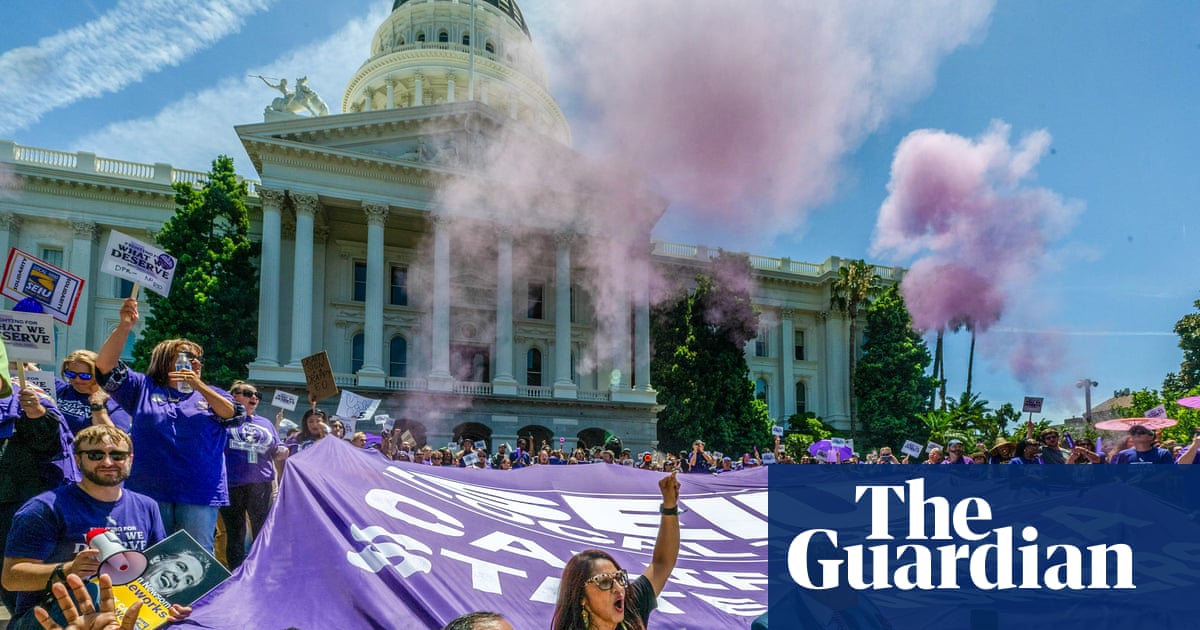
A historic labor action unfolded across California on Wednesday as thousands of state employees walked off their jobs, marking the first strike in the history of SEIU Local 1000. The work stoppage represents a significant escalation in long-standing tensions between public sector unions and Governor Gavin Newsom’s administration. Rallying outside government buildings in multiple cities, demonstrators highlighted deep frustrations over stalled contract negotiations that have persisted since mid-year.
The union, which represents approximately 100,000 public employees including nurses and teachers, has been engaged in an impasse with state officials since its collective bargaining agreement expired on June 30. Negotiators for SEIU Local 1000 have outlined specific demands that they argue are necessary to retain staff and ensure fair compensation. Central to their position is a request for a twenty percent salary increase distributed over three years, alongside greater contributions toward healthcare costs.
Disagreements over workplace flexibility have also emerged as a primary point of contention. Union representatives are advocating for expanded telework opportunities, challenging the governor’s mandate that requires state workers to be physically present in offices four days per week. Negotiators assert that state officials rejected these key proposals, contributing to the breakdown in talks. The union contends that the administration’s stance on remote work is outdated and detrimental to employee well-being.
Compounding the dispute are allegations of bad faith bargaining filed with California’s public employment relations board. Union representatives argue that state officials delayed responses to certain proposals until the contract expiration date and cited budgetary constraints as a reason for refusing additional compensation. These claims suggest a fundamental disconnect between the union’s expectations and the administration’s fiscal priorities, further polarizing the two sides.
The state has maintained a policy of silence regarding the specifics of the negotiations, citing confidentiality protocols. A spokesperson for Governor Newsom’s office did not provide immediate comment on the work stoppage or the status of ongoing discussions. This lack of transparency has fueled speculation among observers about the administration’s strategy and willingness to engage with union demands during this critical period.
Before the strike could proceed, California’s Department of Human Resources attempted to block the action, arguing that the union failed to adequately exempt essential workers. State officials expressed concern that a broad walkout would compromise public health and safety services. However, the labor board intervened, determining a list of approximately 5,000 workers deemed essential who were required to report for duty despite the strike. This distinction allowed the broader work stoppage to move forward while maintaining critical operations.
The significance of this event extends beyond immediate contractual disputes. It signals a potential shift in labor dynamics within California’s public sector, where strikes have historically been rare or non-existent for certain groups. The involvement of nurses and teachers underscores the broad impact of state employment policies on essential community services. As negotiations remain deadlocked, the strike serves as a tangible expression of worker dissatisfaction with current compensation and working conditions.
Looking ahead, the resolution of this conflict will likely depend on whether either side is willing to compromise on core issues such as wage growth and remote work flexibility. The union’s decision to strike indicates a willingness to endure short-term disruptions for long-term gains. Conversely, the state’s adherence to confidentiality and existing mandates suggests a firm stance on fiscal and operational priorities. The coming weeks will reveal whether this historic action leads to renewed dialogue or further entrenchment of positions.
Sources behind this briefing
Go to the original reporting
- The Guardian US Politics↗Thousands of California public employees set to strike over contract