The short version
- National polls indicate growing voter dissatisfaction with the administration's militarized immigration enforcement strategies.
- Business owners in agriculture and hospitality report that raids are disrupting labor supplies and potentially increasing consumer prices.
- Republican incumbents in key states are facing electoral pressure as constituents express concern over policy impacts on daily life.
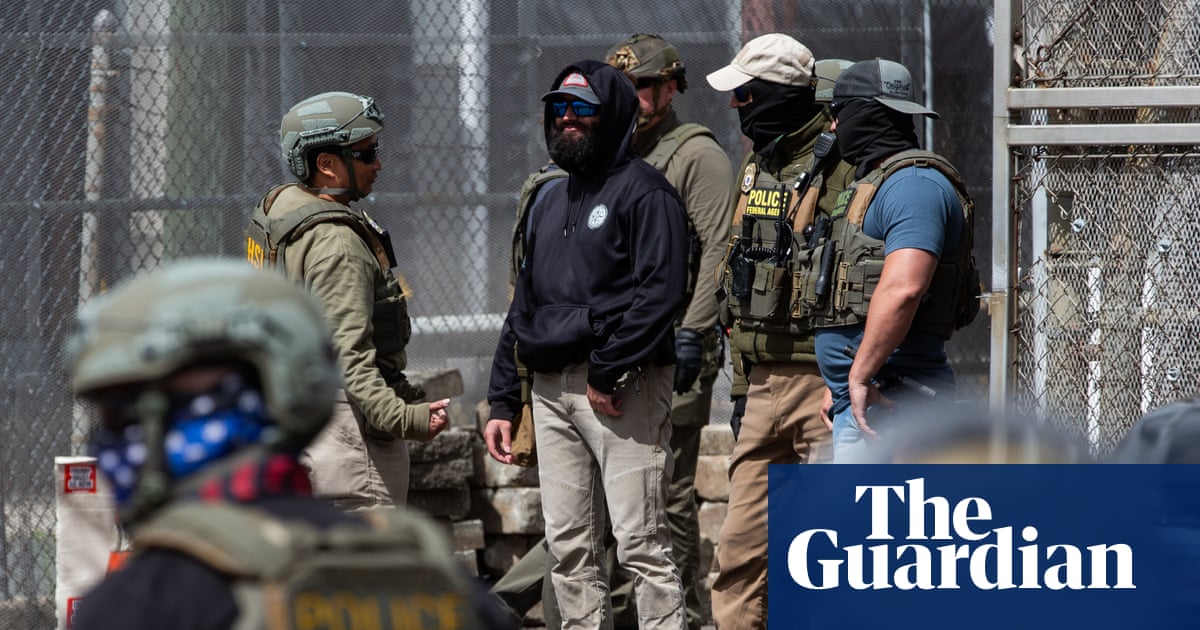
The upcoming midterm elections are increasingly being viewed by political analysts and voters alike as a referendum on the Trump administration’s hardline immigration policies. While President Trump has framed the November contests as a judgment on his broader presidency, the tangible effects of mass deportation efforts have permeated daily life across the United States. Two years into these intensified enforcement measures, the consequences are becoming visible in local economies and community dynamics, influencing voter behavior even among those who do not list immigration as their top priority.
In Florida, the hospitality and restaurant sectors have reported significant disruptions. Business owners indicate that the visible presence of Immigration and Customs Enforcement agents is deterring both potential employees and customers. This economic anxiety has translated into political friction within the Republican Party. Congresswoman María Elvira Salazar, seeking re-election, broke with the president’s narrative by airing advertisements in Spanish that criticized the administration’s crackdown as a betrayal of Hispanic voters in her district. Her move highlights the growing unease among some GOP lawmakers who fear alienating key demographics.
Similar tensions are emerging in Kansas, where the agricultural sector relies heavily on immigrant labor. Cattle ranchers and industry leaders have warned that ICE operations are creating a chilling effect on legal, documented workers essential to putting beef on tables. The Kansas Livestock Association has noted that disruptions in the cattle industry could lead to spikes in meat prices, affecting consumers nationwide. Senator Roger Marshall, a former staunch supporter of the president’s immigration agenda, has softened his rhetoric as his re-election race tightens, reflecting a broader recalibration among Republicans facing competitive districts.
In Maine, the campaign for Republican Senator Susan Collins has been overshadowed by the fatal shooting of an asylum seeker by ICE agents. Although Collins supported plans to enhance immigration enforcement, the incident has cast a pall over her re-election efforts. The tragedy underscores the human cost of aggressive tactics and has complicated the political calculus for Republicans who previously endorsed such measures. Voters are increasingly connecting these violent encounters with broader concerns about safety and civil liberties.
Texas presents another complex battleground where Democratic Senate candidate James Talarico is gaining momentum against Attorney General Ken Paxton, a Trump-backed incumbent. Talarico’s campaign has capitalized on voter frustration with ICE operations, which have included multiple shootings in the state. Recent polling by The New York Times and Siena University shows voters evenly split on which candidate they trust more to handle immigration issues. This shift is notable in a state that has not elected a Democratic senator in nearly four decades, suggesting that enforcement tactics are reshaping traditional political alignments.
National polling data supports the notion of growing voter distaste for militarized immigration enforcement. A September Reuters/Ipsos poll found that only 36% of voters approved of Trump’s handling of immigration, while Pew Research Center data indicates that half of Americans view the administration’s tactics as too aggressive. Among Latino voters, who swung toward Trump in the previous election cycle, opposition remains strong. An October NBC News/Telemundo poll revealed that two-thirds of registered Latino voters believe enforcement policies have gone too far, with many reporting personal connections to those detained or deported.
The impact of these policies extends beyond immigration itself, affecting other top voter concerns such as the cost of living and economic stability. Industry segments reliant on immigrant labor, including construction, food service, and healthcare, are experiencing disruptions that ripple through the broader economy. Political scientists note that even if immigration is not the primary issue for every voter, the perception that policies have gone too far influences overall satisfaction with the administration. This interconnectedness means that enforcement actions can indirectly sway opinions on economic management and public safety.
Despite signals from the Trump administration to adopt a softer approach following backlash over raids in Minneapolis, enforcement operations continue to gain momentum. Arrests remain at record highs, and incidents involving violence persist. The disconnect between official statements aiming to reduce media attention and the reality of ongoing aggressive tactics has left many voters confused and frustrated. As the election nears, the cumulative effect of these disruptions may prove decisive, particularly in swing districts where economic anxiety and civil liberties concerns intersect.
Looking ahead, the midterm results will likely reflect not just partisan loyalty but a nuanced assessment of policy outcomes. Voters are weighing the immediate economic impacts of labor shortages against broader ideological commitments. For politicians on both sides, navigating this landscape requires balancing support for border security with acknowledgment of community disruptions. The coming weeks will reveal whether the administration’s hardline stance can withstand the scrutiny of an electorate increasingly aware of its daily consequences.
Ultimately, the 2026 midterms serve as a critical test of how far voters are willing to tolerate aggressive enforcement in exchange for perceived security benefits. As campaigns intensify, the focus will remain on tangible effects rather than abstract policy debates. The synthesis of economic data, local anecdotes, and national polling suggests that immigration enforcement has become a central, if sometimes indirect, driver of electoral outcomes across the country.
Sources behind this briefing
Go to the original reporting
- The Guardian World↗How immigration is molding the US midterms: ‘Trump has gone too far’