The short version
- Samir Mohtadi, head of MyCentre, denies any personal or organizational connection to Hammam al-Hammami, the pilot accused of a terror plot.
- UAE officials allege the suspect’s extremist views formed while studying in Melbourne, though they did not accuse the centre of direct involvement.
- Australian and New Zealand agencies are investigating the suspect’s time in both countries, prompting calls for improved border and online screening.
A prominent Islamic community leader in Melbourne has firmly denied any association with an Omani pilot accused of attempting to hijack a commercial aircraft, rejecting allegations that his organization played a role in the suspect’s radicalization. Samir Mohtadi, who leads the Multicultural Youth Centre known as MyCentre and is also referred to by the alias Abu Hamza, stated that he has never met Hammam al-Hammami and that the centre holds no records of the pilot ever attending its facilities.
The denial comes in response to statements from United Arab Emirates officials who detailed the background of the 29-year-old suspect. The UAE attorney-general reported that investigators traced al-Hammami’s ideological shift toward extremism to his time as a student at RMIT University in Melbourne, beginning in 2017. According to the UAE government, the suspect claimed to have visited a mosque affiliated with the university and become acquainted with individuals linked to MyCentre during this period.
Despite these connections being highlighted by UAE authorities, there was no formal allegation that staff or members of MyCentre were involved in radicalizing al-Hammami. The UAE statement did not suggest that anyone at the centre maintained contact with the suspect or possessed prior knowledge of his intentions before the incident on September 30. Mohtadi emphasized that such claims are unfounded and risk unfairly damaging the reputation of an organization that has served the broader Australian community for decades.
In a statement released late Monday, Mohtadi described MyCentre as a facility open to both Muslims and non-Muslims, offering services ranging from education and sports to medical support. He reiterated his lifelong commitment to preaching peace and harmony, stating unequivocally that the organization rejects violence in all its forms. Hundreds of people visit the centre daily, according to Mohtadi, who sought to distance the institution from the violent actions attributed to the accused pilot.
On Sunday night, Mohtadi appeared in a four-minute video posted on the centre’s Facebook page. In the clip, he referenced Islamic texts regarding the virtue of silence when facing attacks or accusations. He did not mention the alleged hijacking attempt, the UAE attorney-general’s statement, or al-Hammami by name. Instead, he spoke generally about righteous individuals being attacked and imprisoned, suggesting that sometimes the best response is to remain silent.
RMIT University confirmed that al-Hammami studied engineering at the institution but left Australia before completing his qualification. After departing Melbourne, he underwent flight training in New Zealand, where he became a qualified commercial pilot. The timeline of his movements has become a focal point for investigators seeking to understand how and when his extremist views developed.
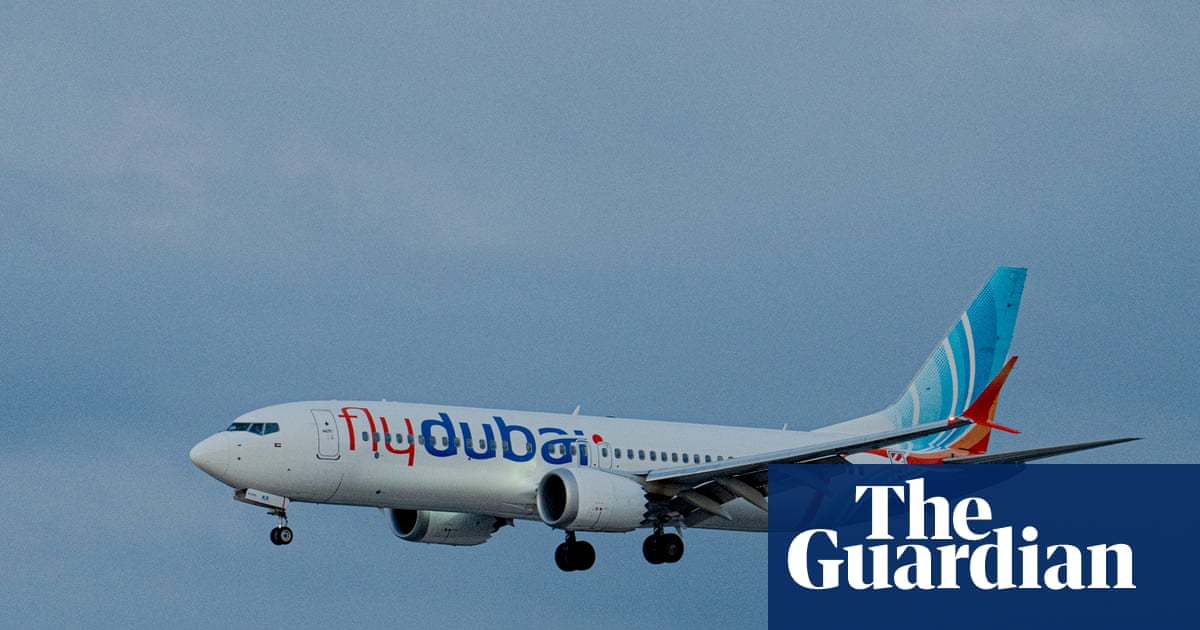
The incident occurred on September 30, when passengers and crew intervened to stop an alleged attempt by al-Hammami to hijack the plane and crash it into Ben Gurion Airport near Tel Aviv. The UAE attorney-general characterized the event as a premeditated terrorist plot. According to prosecutors, al-Hammami drew inspiration from the September 11 attacks of 2001 and had prepared himself psychologically and physically for the operation, including training in boxing under a private coach.
Australian security agencies have launched an investigation into al-Hammami’s two-year stay in the country. New Zealand authorities are also examining his time there between November 2018 and May 2019. Tony Burke, Australia’s home affairs minister, stated on Sunday that the co-pilot was allegedly radicalized online. He emphasized the government’s desire to improve screening processes at borders and in digital environments to prevent similar incidents in the future.
The case highlights ongoing challenges in monitoring radicalization pathways that span multiple jurisdictions and online platforms. While UAE officials have provided a narrative linking the suspect’s time in Melbourne to his extremist turn, Australian authorities are conducting their own review of the circumstances. The denial from MyCentre adds complexity to the public understanding of the suspect’s background, underscoring the need for careful verification of claims regarding community involvement in terrorism.
As investigations continue, the focus remains on determining the extent of al-Hammami’s network and the effectiveness of current security measures. The incident has prompted renewed scrutiny of how student visas and border controls are managed, particularly for individuals who may pose a security risk. The outcome of these inquiries could influence future policies on international student screening and counter-terrorism efforts in Australia and its neighboring regions.
Sources behind this briefing
Go to the original reporting
- The Guardian World↗Melbourne Islamic leader rejects centre’s alleged Flydubai hijacker links after Facebook video