The short version
- Labour leadership figures have indicated that future cooperation with the Green Party is highly unlikely following the adoption of a controversial policy equating Zionism with racism.
- The decision has triggered internal dissent within the Liberal Democrats, prompting calls to dissolve existing local government partnerships with the Greens in Southwark.
- Tensions are set to be tested in an upcoming byelection in Holborn and St Pancras, where the Greens are investing heavily to challenge Labour's hold on a former prime ministerial seat.
Senior figures within the UK Labour Party have signaled that any prospect of future political cooperation with the Green Party is effectively dead. This shift follows a decisive vote at the Green Party conference in Brighton, where members adopted a binding policy stating that Zionism should be treated as a form of racism. The motion also called for the establishment of a single Palestinian state to replace Israel. Labour ministers and officials have responded by ruling out coalition arrangements or other forms of alliance, citing fundamental incompatibilities regarding antisemitism and equality law.
Bridget Phillipson, the chair of the Labour Party, described the Green Party’s new stance as shameful. She emphasized that the move underscored the necessity of her own party’s efforts to combat antisemitism during the previous leadership era under Jeremy Corbyn. While Phillipson’s condemnation was supported by fellow ministers, there is ongoing debate within Labour about whether to formally and permanently exclude any ties with the Greens. This includes scenarios where a future general election might result in a hung parliament, requiring negotiations between parties.
Pressure is mounting from various quarters for Labour to take a firmer stance. A source connected to the Jewish Labour movement argued that governing with the Greens would be unacceptable. The concern centers on whether the Green Party’s new policy raises serious questions about its treatment of Jewish members and potential breaches of equality legislation. Consequently, some government officials are urging Labour to formally rule out any coalition or arrangement with the Greens, regardless of future electoral outcomes.
The controversy has rippled beyond Labour, affecting the Liberal Democrats. The Lib Dems currently govern in Southwark, a borough in south London, in a coalition with the Green Party, which serves as the senior partner following local elections in May. Senior Liberal Democrat figures are calling for an end to this arrangement. Sarah Ludford, a peer and former MEP for the party, criticized the joint administration statement released by both parties against antisemitism. She argued that the response was inadequate given the Greens’ new policy and urged distance from the alliance.
Another prominent Lib Dem, Lynne Featherstone, echoed these sentiments with more blunt language, suggesting that her party should abandon the partnership entirely. The joint statement issued by Southwark’s governing parties did not explicitly mention the new Green policy but pledged to continue working with Jewish community organizations to ensure they feel welcome in the borough. Critics view this as insufficient given the ideological shift within the Green Party.
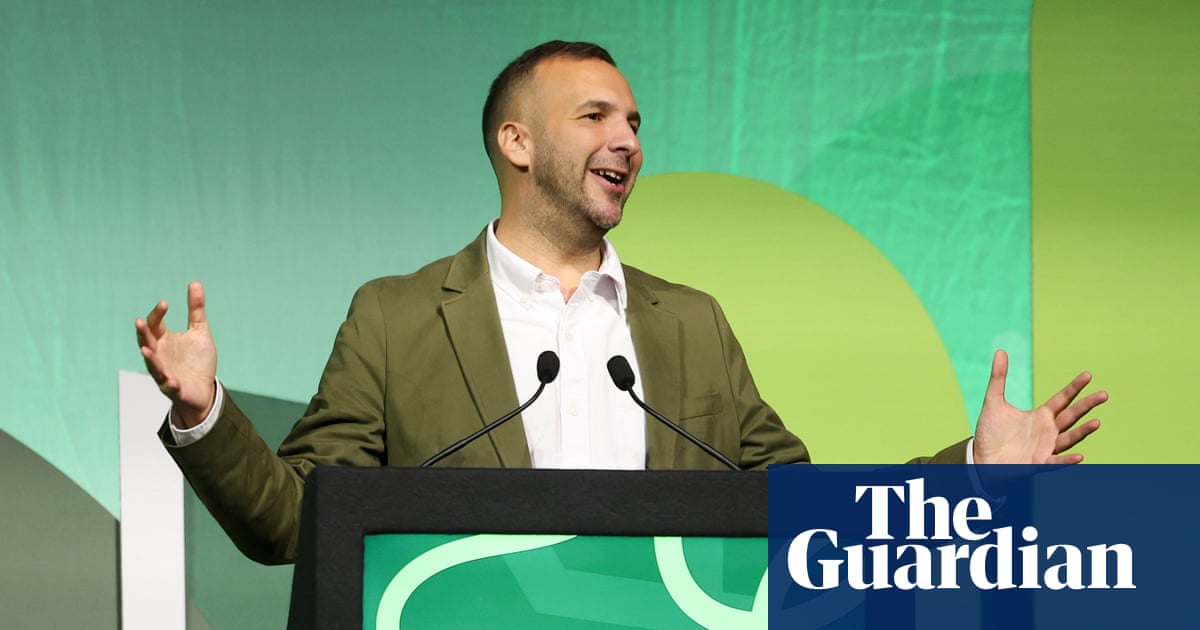
The Green Party’s internal dynamics reveal significant division over the issue. The motion was adopted by 1,022 votes to 813 at the conference. Notably, four of the party’s five Members of Parliament opposed the measure. Zack Polanski, the Green Party leader, left the conference early to campaign and did not explicitly endorse or criticize the motion. In a subsequent statement, he distinguished between antisemitism and criticism of the Israeli state, asserting that the two must remain completely separate. He expressed pride in the party’s stance on Palestinian rights despite distancing from the specific wording of the motion.
International reactions have also emerged, with European Greens and German Greens distancing themselves from the policy adopted by their UK counterparts. This isolation adds to the pressure on Polanski and his leadership team. The timing of these events coincides with heightened speculation about potential electoral pacts between Labour and the Greens. Earlier this year, Polanski suggested that an alliance could be considered under potential Labour leaders Andy Burnham or Angela Rayner, but ruled it out under current Prime Minister Keir Starmer.
Labour views the Green Party’s policy shift as an opportunity to simplify its political argument against them. The Greens have increasingly sought to attract disillusioned voters from Labour’s left flank. A critical test of this dynamic will occur in the upcoming byelection in Holborn and St Pancras, where Polanski is attempting to win Starmer’s former seat. The Greens have invested significant resources into this contest, which Polanski described as being on a knife-edge. Despite these efforts, Labour remains the favorite to retain the seat.
The broader implications of this rift extend beyond immediate electoral calculations. It highlights deep ideological divides within the UK left regarding Israel, Palestine, and antisemitism. As Labour solidifies its position against the Greens, it risks alienating some progressive voters who may sympathize with Green policies on other issues. However, the party appears willing to accept this trade-off to maintain a clear stance on antisemitism and equality. The coming weeks will reveal whether this strategic distancing strengthens or weakens Labour’s overall electoral prospects.
What comes next involves navigating the immediate political fallout while preparing for future elections. Labour must balance its commitment to combating antisemitism with the need to appeal to a broad spectrum of voters. The Greens, meanwhile, face the challenge of reconciling their new policy with international criticism and internal dissent. The outcome of the Holborn and St Pancras byelection will serve as an early indicator of how these shifts affect voter behavior in key constituencies.
Sources behind this briefing
Go to the original reporting
- The Guardian World↗Labour figures rule out working with Greens after ‘Zionism is racism’ vote