The short version
- Over forty senior Cambridge University staff members have signed a letter criticizing the institution's planned investigation into the death of Professor Jason Arday as insufficient.
- The signatories demand a clear determination of who authorized public communications regarding Arday and how the university managed escalating abuse and media scrutiny.
- Critics argue that without establishing individual accountability and structural reforms, the proposed review fails to address serious leadership failures during Arday’s tenure.
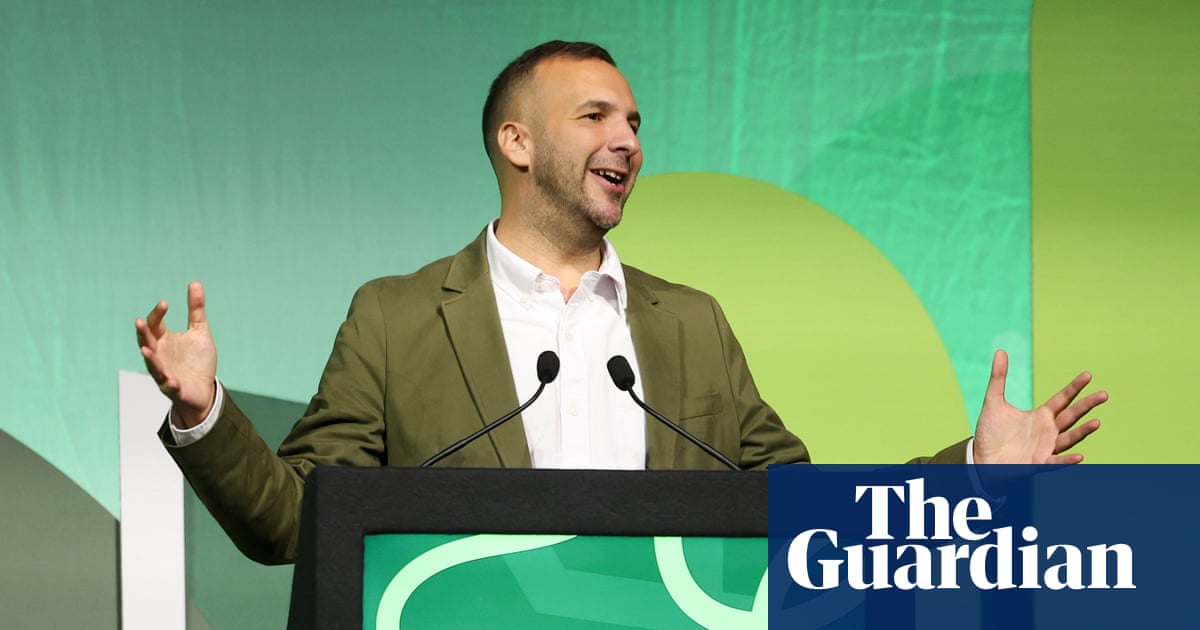
A significant group of senior academics at the University of Cambridge has formally challenged the institution's strategy for investigating the circumstances surrounding the death of Professor Jason Arday. In a letter addressed to Chancellor Chris Smith, more than forty professors, associate professors, and fellows expressed deep concern that the university’s current plans do not meet the standard of thoroughness initially promised by Vice-Chancellor Deborah Prentice. The signatories argue that the proposed review mechanism is inadequate for addressing the complex series of events that led to Arday’s resignation and subsequent death in August.
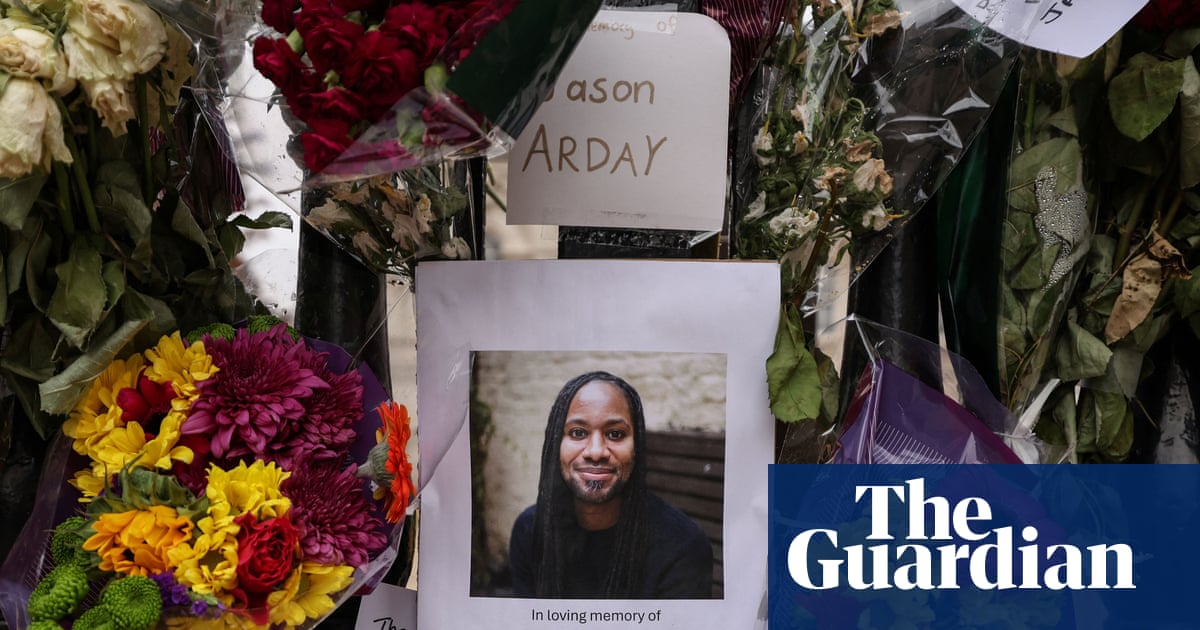
Professor Jason Arday, who was appointed as the university’s first black professor of sociology of education in 2023, died at his London home on August 14. His death occurred just nine days after he resigned from his position amid allegations of plagiarism and inconsistencies regarding his professional history. While an official inquest is scheduled to determine the medical cause of death, Arday’s family has stated that he endured a sustained campaign of abuse lasting more than three years. This context forms the basis for the faculty’s demand for a rigorous institutional inquiry.
The core of the academic community’s objection lies in the structure of the university’s announced two-part review. The first part, led by former chief crown prosecutor Nazir Afzal, focuses narrowly on the support provided to Arday immediately preceding his death. However, the second part, which is intended to examine broader institutional processes and recruitment practices, has not yet named a chair. Critics contend that this division risks obscuring the specific decisions and advice given during Arday’s hiring and the handling of the controversy that followed.
The letter signed by the faculty members outlines several critical questions that they believe must be answered. They seek clarity on who authorized the university’s public promotion of Arday, particularly given the emphasis placed on his identity as the youngest black person appointed to a professorship at Cambridge. The signatories also want to know what risk assessments were conducted regarding this publicity and who directed legal or other communications with journalists investigating the story. These details are viewed as essential for understanding the university’s role in the escalation of media scrutiny.
Furthermore, the academics are pressing for an explanation of how the university responded as racist and ableist abuse intensified. They question how responsibility for protecting Arday was allocated across various departments and offices. The letter emphasizes that the investigation must establish a clear chain of responsibility for institutional decisions made from the time of his appointment through the events leading to his death. Without this clarity, the signatories argue, it will be impossible to assess whether the university fulfilled its duty of care.
The group behind the letter insists that serious findings regarding leadership failures must result in tangible consequences for the individuals and offices responsible. They warn that individual accountability alone is insufficient if the root causes lie within flawed structures of decision-making, scrutiny, or governance. The signatories call for institutional changes to address these systemic issues, ensuring that similar failures do not occur in the future. This stance reflects a broader demand for transparency and integrity in how the university manages high-profile appointments and associated controversies.
Notable signatories include Cahir O’Kane, a professor of genetics; Caroline Bassett, a professor of digital humanities; Clair Wills, the King Edward VII professor of English literature; and Clément Mouhot, a professor of mathematical sciences. Their involvement underscores the cross-disciplinary nature of the concern within the university community. The letter was also sent to Cambridge’s governing council, highlighting the seriousness with which these senior figures view the matter.
Cambridge University had previously publicized Arday’s appointment as a milestone for diversity, stating that he would inspire people from under-represented backgrounds to enter higher education. When allegations of plagiarism emerged, the university announced an investigation into his academic qualifications on August 5, after which Arday resigned hours later. The faculty’s current critique suggests that the initial celebratory narrative and the subsequent handling of the crisis may have been managed without adequate oversight or support mechanisms in place.
As the university prepares to move forward with its review process, the pressure from this coalition of senior staff remains a significant factor. The lack of a named chair for the second part of the review has left many questions unanswered regarding the depth and independence of the inquiry. The faculty’s letter serves as a formal record of their dissatisfaction with the current trajectory, urging the administration to reconsider its approach to ensure a comprehensive examination of all relevant factors.
The University of Cambridge was approached for comment on the letter but had not provided a response at the time of publication. The outcome of this internal debate could have lasting implications for how the institution handles future controversies involving senior staff. It also raises broader questions about the balance between promoting diversity initiatives and maintaining rigorous standards of accountability and support within academic environments.
Sources behind this briefing
Go to the original reporting
- The Guardian World↗Cambridge academics say university’s plans to investigate Jason Arday’s death are inadequate