The short version
- Corey Lewandowski faces criminal scrutiny for allegedly profiting from his government role and improperly signing contracts.
- The probe is notable because the Justice Department has rarely targeted allies of President Trump, focusing instead on critics.
- Lewandowski’s actions reportedly included halting FEMA grants and signing agreements despite questionable legal authority as a special employee.
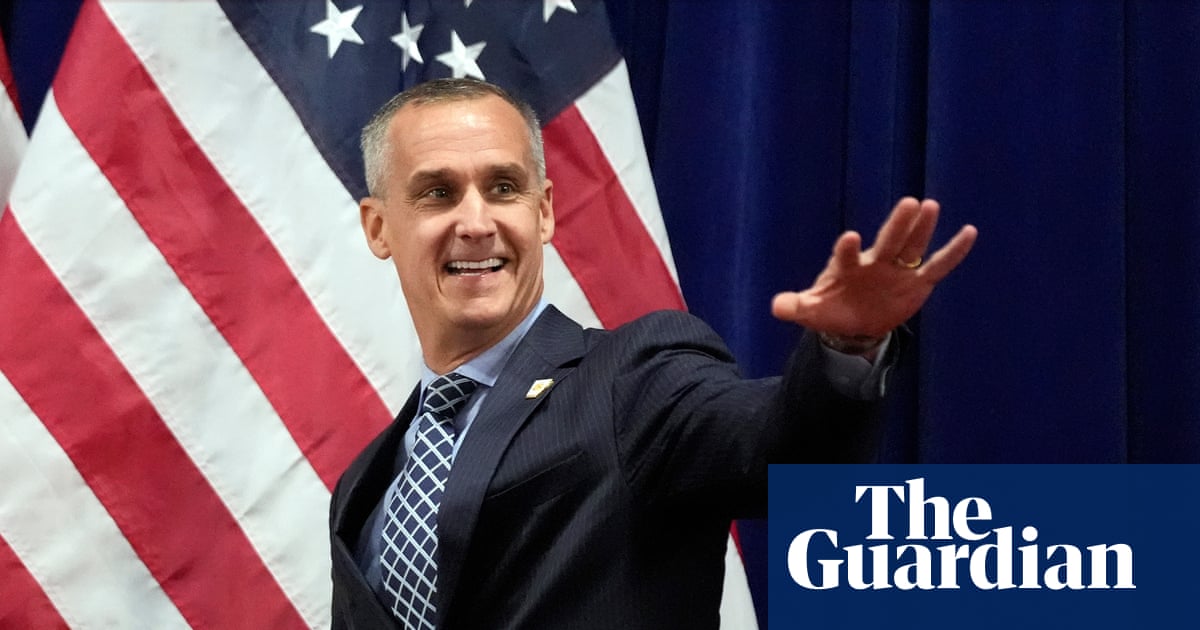
A federal criminal investigation has been launched against Corey Lewandowski, a former political adviser to Donald Trump and senior aide at the Department of Homeland Security. The probe centers on allegations that Lewandowski leveraged his government position for personal financial gain. This development represents a significant shift in enforcement priorities, as the Justice Department under the current administration has historically focused its investigative resources on prominent critics of the president rather than those within his inner circle.
According to officials familiar with the matter, Lewandowski served in a high-level capacity under Homeland Security Secretary Kristi Noem. During this tenure, he allegedly engaged in activities that exceeded his legal authority. Specifically, one Department of Homeland Security official stated that Lewandowski signed certain government contracts despite holding only the status of a special government employee, a role that typically carries limited signing power. These actions suggest a potential breach of protocol and possible misuse of executive privilege.
Further complicating the picture are reports regarding federal emergency management funds. Two separate sources indicated that Lewandowski directed the suspension of specific grants and contracts involving the Federal Emergency Management Agency. The rationale behind these halts remains unclear, but the timing and scope raise concerns about whether political considerations influenced the distribution of critical disaster relief resources. The Justice Department has not yet issued subpoenas or other formal legal demands in connection with this criminal inquiry.
Legal representation for Lewandowski did not immediately respond to requests for comment regarding the investigation. The lack of immediate response is standard procedure in early-stage federal probes, but it leaves the public without insight into his defense strategy. The rarity of such an investigation against a presidential ally underscores the potential political sensitivity of the case. It signals that internal oversight mechanisms may be activating in ways previously unseen during this administration.
While the Lewandowski probe dominates legal headlines, other judicial developments are reshaping the political landscape. A federal judge in California recently ordered the Trump administration to cease investigations into noncitizen voter registration across nine states. The court ruled that the government’s efforts relied on flawed data and resulted in the intimidation of groups providing voter assistance. The order mandates a halt to these activities until after the November 3 election, citing the need to protect the integrity of the voting process.
The administration has characterized noncitizen voting as a widespread issue, yet its own investigations have demonstrated that such occurrences are exceptionally rare. The judicial intervention highlights growing tensions between executive enforcement strategies and judicial oversight. By halting these probes, the court aims to prevent further disruption to election-related activities while ensuring that data-driven claims meet rigorous legal standards.
In unrelated legal matters, President Trump faces a separate judicial directive regarding his lawsuit against the BBC. A US judge has ordered him to cooperate with the discovery process and sit for a deposition by December 11. Failure to comply could result in sanctions, including the potential dismissal of his $10 billion claim. This ruling emphasizes the judiciary’s insistence on procedural compliance, regardless of the plaintiff’s political stature.
These legal shifts occur against a backdrop of broader societal challenges. Public health officials are warning of an early surge in influenza cases along the West Coast, prompting renewed emphasis on vaccination. Meanwhile, international attention remains fixed on climate impacts, with research indicating that heatwaves caused record fatalities in European cities this summer. The convergence of domestic legal scrutiny and global environmental crises presents a complex policy environment for the coming months.
As the investigation into Lewandowski progresses, observers will watch closely for any escalation in legal actions against administration allies. The outcome could set precedents for how conflicts of interest are handled within the executive branch. For now, the focus remains on establishing facts and determining whether contractual irregularities constitute criminal misconduct or administrative error.
The coming weeks will likely bring further developments as both the Justice Department and Lewandowski’s legal team navigate this unprecedented scenario. The intersection of political loyalty and legal accountability continues to test the boundaries of federal enforcement. Stakeholders across the political spectrum are monitoring these events for signs of broader institutional changes.
Sources behind this briefing
Go to the original reporting
- The Guardian World↗First Thing: Former DHS aide Lewandowski investigated over claims he profited from government role