The short version
- The Department of Justice filed a formal complaint alleging seven federal judges in Minnesota violated ethical canons by speaking to the press about operational pressures during recent immigration enforcement actions.
- Attorney General Todd Blanche argued that the judges' remarks demonstrated obvious bias, prompting a demand for their recusal from all cases involving the Department of Homeland Security.
- The accused judges and court officials maintain that their comments were within ethical guidelines, citing advisory opinions that permit discussion of judicial independence and the rule of law.
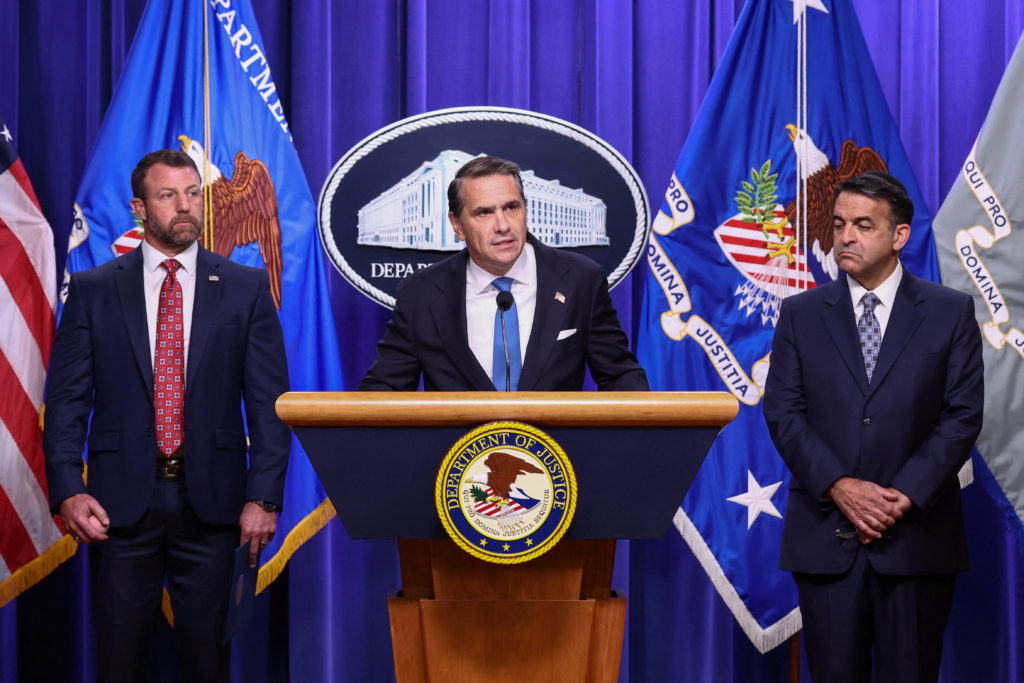
The Department of Justice has escalated its conflict with the federal judiciary by filing a formal complaint against seven judges in Minnesota. The action stems from remarks these officials made to The New York Times regarding the intense pressure placed on their courthouse during a surge in immigration enforcement activities last winter. Attorney General Todd Blanche announced the move on Wednesday, asserting that the judges had violated judicial ethics and displayed clear bias against government agencies.
The complaint specifically targets comments made about Operation Metro Surge, a crackdown that resulted in thousands of arrests in the Twin Cities region. According to the Justice Department, the seven judges—nominated by both Democratic and Republican presidents over various terms—breached professional standards by discussing their experiences with the media. Blanche stated that the department had no choice but to act to defend prosecutors and the Department of Homeland Security from what he characterized as unfair treatment stemming from these public statements.
Central to the dispute is Judge Patrick Schiltz, who was nominated by former President George W. Bush and previously clerked for Supreme Court Justice Antonin Scalia. In January, Schiltz issued a ruling accusing U.S. Immigration and Customs Enforcement of failing to comply with nearly one hundred court orders. He stated that the agency is not above the law, a sentiment he later elaborated on in his interview with the newspaper. Schiltz described the situation in Minnesota’s federal court as creating a grave threat to the rule of law.
In response to the Justice Department’s allegations, a spokesperson for the Minnesota court affirmed that legal experts have confirmed the judges acted within ethical boundaries. The court emphasized that speaking to the press about core judiciary matters is permissible under current guidelines. Schiltz echoed this defense in a statement, noting that the Committee on Codes of Conduct issued an advisory opinion in February clarifying that federal judges may speak or write about advocacy for judicial independence and the rule of law.
Schiltz maintained that his comments were precisely aligned with this advisory opinion. He argued that discussing the operational challenges faced by the court does not constitute a violation of ethical canons but rather serves to highlight important issues regarding judicial integrity. The Justice Department, however, views these disclosures as evidence of prejudice that compromises the judges' ability to preside impartially over cases involving immigration enforcement.
The complaint has been filed with the chief judge of the 8th U.S. Circuit Court of Appeals, which oversees federal judges in Minnesota. Blanche demanded that all seven judges recuse themselves from any criminal or civil cases involving the Department of Homeland Security. This request represents a significant escalation in the administration’s broader strategy to challenge judicial decisions that have halted its policy priorities or dismissed high-profile prosecutions.
This incident underscores the growing friction between the executive branch and the federal courts. The Republican administration has frequently criticized what it describes as activist judges who seek to thwart its agenda. However, the current conflict involves judges appointed by both parties, including those nominated by Trump and other Republican presidents. This dynamic complicates the narrative of partisan judicial activism, suggesting that the tension may stem more from policy disagreements than political affiliation.
The outcome of this complaint could have far-reaching implications for judicial conduct and executive-judicial relations. If the judges are forced to recuse themselves, it could disrupt ongoing cases and set a precedent for how federal judges may discuss their work with the media. Conversely, if the complaint is dismissed, it would reinforce the protections afforded to judges when addressing issues of judicial independence. The 8th Circuit’s decision will likely be closely watched by legal experts and policymakers alike.
As the process unfolds, the Justice Department remains firm in its stance that the judges’ comments undermined public confidence in the impartiality of the courts. Blanche emphasized the need to protect government agencies from what he perceives as biased judicial behavior. Meanwhile, the judges and their supporters argue that transparency about court operations is essential for maintaining accountability and upholding the rule of law. The resolution of this dispute will depend on how the appellate court interprets the ethical guidelines governing judicial speech.
The situation highlights the delicate balance between judicial independence and executive authority. While judges are expected to remain impartial, they also have a role in safeguarding the integrity of the legal system. The Justice Department’s aggressive posture suggests a willingness to challenge judicial conduct more directly than in the past. This approach may lead to further confrontations if other courts issue rulings unfavorable to the administration’s immigration enforcement strategies.
Sources behind this briefing
Go to the original reporting
- PBS NewsHour↗WATCH: Justice Department files complaint against judges over immigration enforcement surge comments