The short version
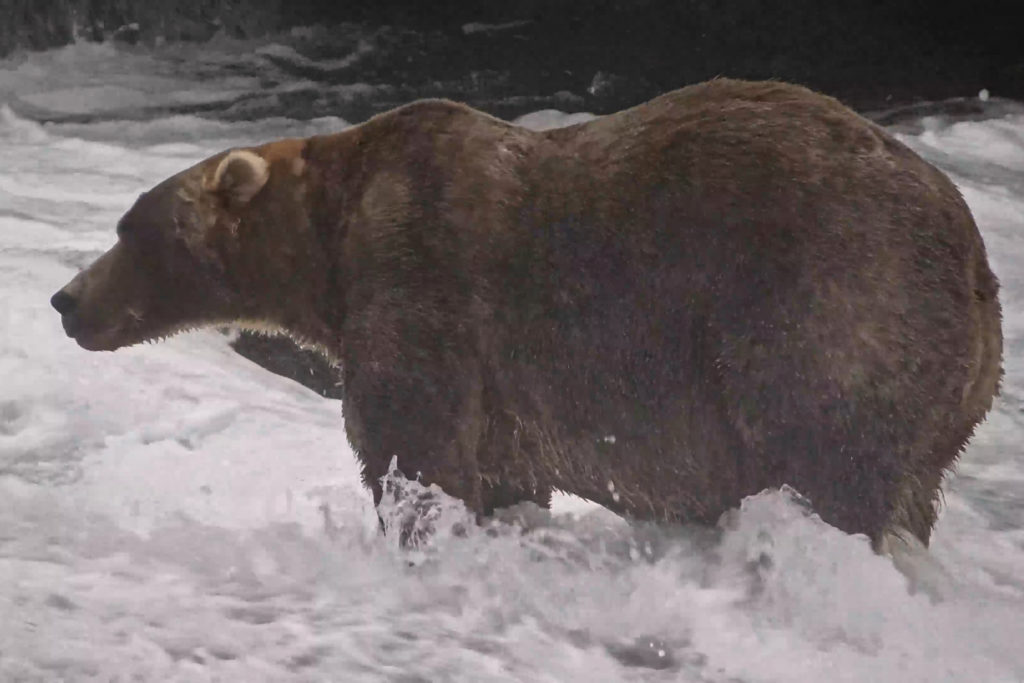
- Backpack, officially known as Bear 89, was declared the winner of the twelfth annual Fat Bear Week competition held at Katmai National Park and Preserve.
- The bear secured victory with just over half of the online votes, narrowly defeating runner-up Bear 910 in a final round that drew significant public attention.
- The contest serves as an educational tool to highlight the resilience of brown bears and their reliance on salmon runs for winter survival.
Backpack has been named the champion of this year’s Fat Bear Week, a popular online contest hosted by Katmai National Park and Preserve in Alaska. The announcement came Tuesday evening after voting concluded, marking the end of a week-long bracket-style tournament that featured sixteen brown bears competing for the title of heaviest bear. Backpack, officially identified as Bear 89, emerged victorious with more than one hundred thousand votes, securing just over fifty percent of the total poll results.
The final matchup was notably tight, with Backpack narrowly edging out Bear 910. According to figures released by the National Park Service, the winner received 103,344 votes compared to 98,253 for the runner-up. This close finish underscored the intense public interest in the event, which has grown significantly since its inception in 2014. The contest is designed as an interactive platform to educate viewers about brown bears, often referred to as the coastal cousins of grizzlies, and their ecological importance within the Alaska Peninsula ecosystem.
Backpack earned his nickname due to a distinctive behavior observed during his early years: as a cub in 2006, he would climb onto his mother’s back while swimming across the Brooks River. His mother, Holly, was herself a former Fat Bear Week champion who introduced him to the river habitat. This year’s participants and online observers frequently noted Backpack’s lineage and his reputation as a pacifist among the large male bears. Unlike many of his peers, he is characterized by a lack of aggression toward competitors, relying instead on what park officials describe as quiet strength.
The competition highlights the critical role that salmon play in the lives of these animals. Brown bears gather at the Brooks River starting in late June to feast on migrating fish, consuming up to thirty fish per day during peak seasons. This intense feeding period allows them to accumulate essential fat reserves necessary for surviving winter hibernation. Adult males typically weigh between six hundred and nine hundred pounds in midsummer but can exceed one thousand pounds by the time they prepare to hibernate. During the winter months, bears do not eat or drink and may lose up to one-third of their body weight.
This year’s event featured a record number of bear families participating, reflecting a high population of cubs at the river. The contest included five family units, acknowledging the challenges mothers face in balancing their own caloric needs with the protection of their young. Bear 132, an experienced mother with three spring cubs, advanced to the semifinals before losing to Bear 910. Her profile noted a brief incident in mid-July where one cub wandered alone for several days before reuniting with the family, illustrating the risks cubs face from territorial disputes and food scarcity.
Bear 910, who finished as the runner-up, also has notable lineage, being the daughter of former champion 409 Beadnose. The final round was described by park officials as a battle involving size, skill, snack acquisition, and strategic loafing. Viewers were able to watch the bears via livestream cameras provided by explore.org before casting their votes on the official Fat Bear Week website. The event continues to serve as a bridge between wildlife conservation efforts and public engagement, drawing attention to the health of the 2,200 brown bears that inhabit the preserve.
Previous winners have set high standards for weight and public appeal. Last year’s champion, Chunk, also known as Bear 32, won at an estimated weight of 1,200 pounds. However, he was eliminated early in this year’s tournament by Bucky, who subsequently lost to Backpack in the faceoff stage. The single-elimination format ensures that only the most successful bears in terms of both physical condition and public popularity advance through the rounds. The nonprofit organization running the contest emphasizes that fat bears are successful bears, linking their physical condition directly to their ability to survive the harsh Alaskan winter.
As the competition concludes, attention shifts back to the bears as they prepare for hibernation. The abundance of salmon in the Brooks River remains a key indicator of ecosystem health in Katmai National Park. The success of Backpack and other participants underscores the resilience of the brown bear population in the region. With voting now closed and the champion declared, the park will likely use the momentum from this year’s high engagement to further promote conservation awareness and support for wildlife protection initiatives in Alaska.
Sources behind this briefing
Go to the original reporting
- PBS NewsHour↗Gentle giant Backpack declared winner of Alaska's Fat Bear Week
- BBC Science & Environment↗Meet 'Backpack', the chunky bear who won Fat Bear Week


