The short version
- The Federal Reserve inspector general found significant management failures in a headquarters renovation but determined there was no evidence of criminal wrongdoing.
- Project costs more than doubled from an initial estimate of $921 million to over $2 billion, with completion delayed by three years due to design changes and inflation.
- The report concludes a long-running conflict between the Trump administration and the central bank, which had used the renovation as leverage to pressure interest rate decisions.
A comprehensive internal review of the Federal Reserve’s headquarters renovation has concluded that while the agency failed to manage the project effectively, no criminal laws were violated. The inspector general’s report, released on Wednesday, addresses a controversy that has dominated the relationship between the central bank and the White House for more than a year. The findings clear former Chair Jerome Powell and current leadership of allegations of perjury and corruption, though they confirm that significant administrative missteps drove up costs and delayed completion.
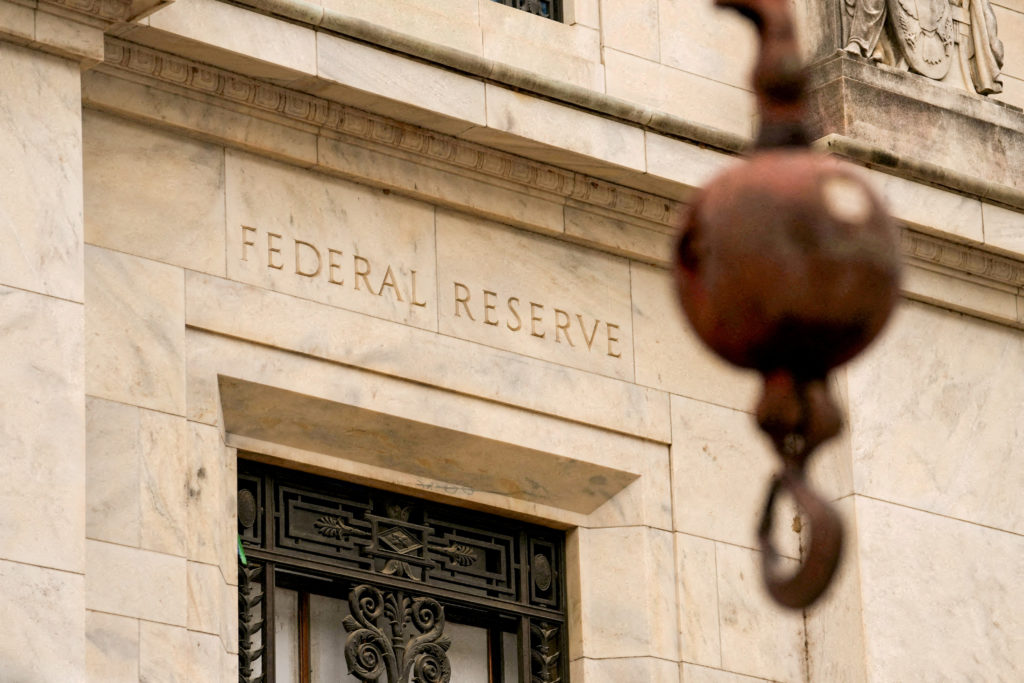
The renovation of two historic buildings in Washington, D.C., has seen its budget balloon from an initial estimate of $921 million in February 2020 to approximately $2.018 billion by late 2024. The total project value is now cited at $2.4 billion when including all associated expenses. Construction, which began in 2022, was originally scheduled for completion in mid-2024 but is now expected to continue until December 2027. The inspector general noted that the Board of Governors did not secure a comprehensive cost estimate at the outset nor establish a maximum overall cost ceiling, a failure that prevented contractors from absorbing inflationary pressures.
The report identifies specific operational errors as the primary drivers of these overruns rather than luxurious amenities. Critics, including Republican lawmakers and administration officials, had pointed to features such as marble facades, private elevators, and water fountains as evidence of excess. However, the watchdog found that these elements were not significant contributors to the financial escalation. Instead, a major design change in 2023, which shifted the workspace layout from open plans to enclosed offices, caused substantial delays. This shift prevented the agency from locking in cost controls at a critical juncture, allowing prices to spike as construction progressed.
The renovation became a central flashpoint in President Donald Trump’s efforts to influence monetary policy. The administration used the project’s escalating costs to argue that the Federal Reserve was misusing public funds and lacked fiscal discipline. Trump visited the construction site in July 2025, where he publicly disputed cost figures with then-Chair Powell. During the visit, Trump suggested the total cost had reached $3.1 billion, a claim Powell contested on camera. The incident underscored the growing tension between the executive branch and the independent central bank, which is legally mandated to set interest rates based on economic data rather than political pressure.
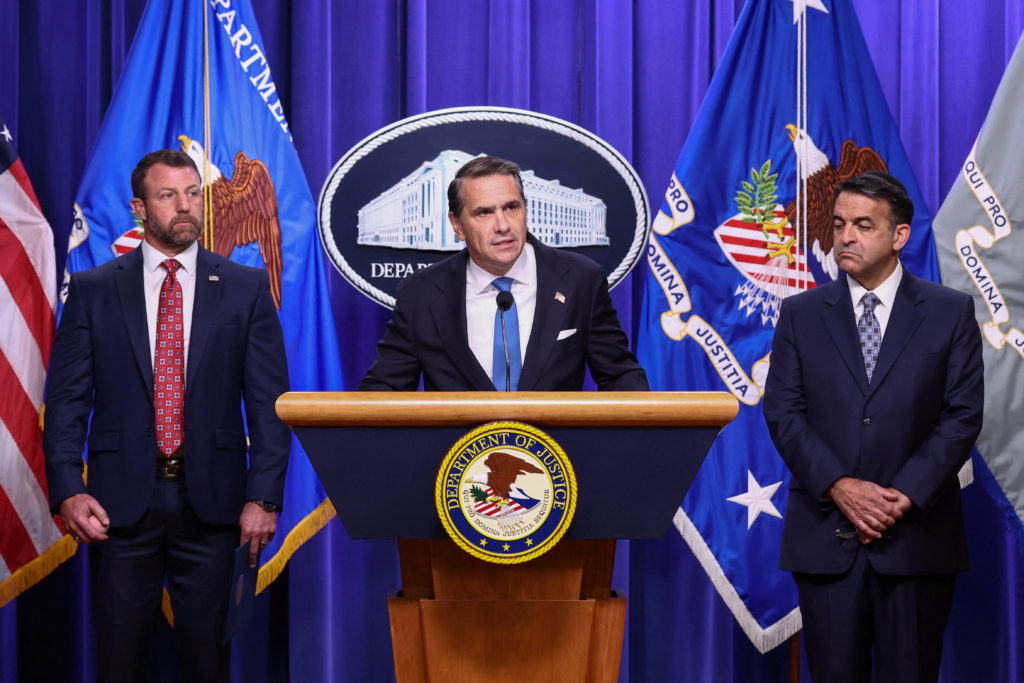
Following the public dispute, the Justice Department launched a criminal investigation into whether Powell had committed perjury during Senate testimony regarding the renovation. This probe intensified the political standoff, with Trump alleging that the investigation was a pretext for refusing to lower interest rates. The inquiry also impacted personnel matters, stalling the confirmation of Kevin Warsh as Fed chair until a key Republican senator agreed to withdraw his hold after the investigation was closed in April. The inspector general’s current report provides the definitive conclusion to that legal chapter.
The watchdog explicitly stated that at no point did the evaluation reveal reasonable grounds to believe federal criminal law had been violated. Consequently, there is no basis for referral to the U.S. Attorney General. The report also noted an absence of administrative misconduct findings, focusing instead on procedural failures in contract management and cost oversight. This distinction is crucial for the Fed’s institutional credibility, separating poor project management from illegal activity.
The political implications of the report extend beyond the immediate controversy. The Trump administration had leveraged the renovation issue to challenge the Fed’s independence, arguing that fiscal irresponsibility within the agency undermined its authority to manage monetary policy. By clearing the agency of criminal wrongdoing, the report removes a key tool used by the White House to pressure rate cuts. However, it also validates concerns about the Fed’s internal governance, highlighting vulnerabilities in how large-scale capital projects are overseen.
Looking ahead, the Federal Reserve must address the management deficiencies identified in the 120-page report while continuing construction through late 2027. The agency faces scrutiny over its ability to execute complex infrastructure projects without significant cost overruns or delays. For policymakers, the resolution of this dispute allows a return to focus on economic fundamentals, including persistent inflation and growth trends, without the distraction of legal threats or political accusations regarding building expenditures.
The case illustrates the delicate balance between government accountability and institutional independence. While taxpayers have a right to expect efficient use of funds, the central bank’s unique role requires protection from political interference. The inspector general’s findings provide a nuanced verdict: the Fed made serious errors in judgment and execution, but those errors did not cross the line into criminality. This distinction may help stabilize relations between the branches of government as economic challenges persist.
As construction continues, the Federal Reserve will likely implement stricter oversight mechanisms for future projects to prevent similar issues. The report serves as a cautionary tale about the risks of inadequate planning and flexible design scopes in large public works. For now, the immediate political pressure has subsided, allowing the central bank to resume its primary mandate with greater clarity regarding its legal standing and operational responsibilities.
Sources behind this briefing
Go to the original reporting
- PBS NewsHour↗No criminal wrongdoing in Federal Reserve building renovation, watchdog says, but it was mismanaged
- The Guardian World↗Federal Reserve watchdog finds no criminal violations for building renovation cost overruns