The short version
- Over two hundred individuals were detained in Milan following violent clashes between police and protesters, with authorities reporting that eighty percent of those arrested were minors.
- Prime Minister Giorgia Meloni has convened an emergency security meeting and urged political rivals to unequivocally condemn the rioting, framing it as a threat to public order rather than legitimate dissent.
- The unrest in Italy mirrors similar disturbances across Europe, including France and Spain, raising concerns among local officials about a coordinated or self-reinforcing pattern of civil disorder.
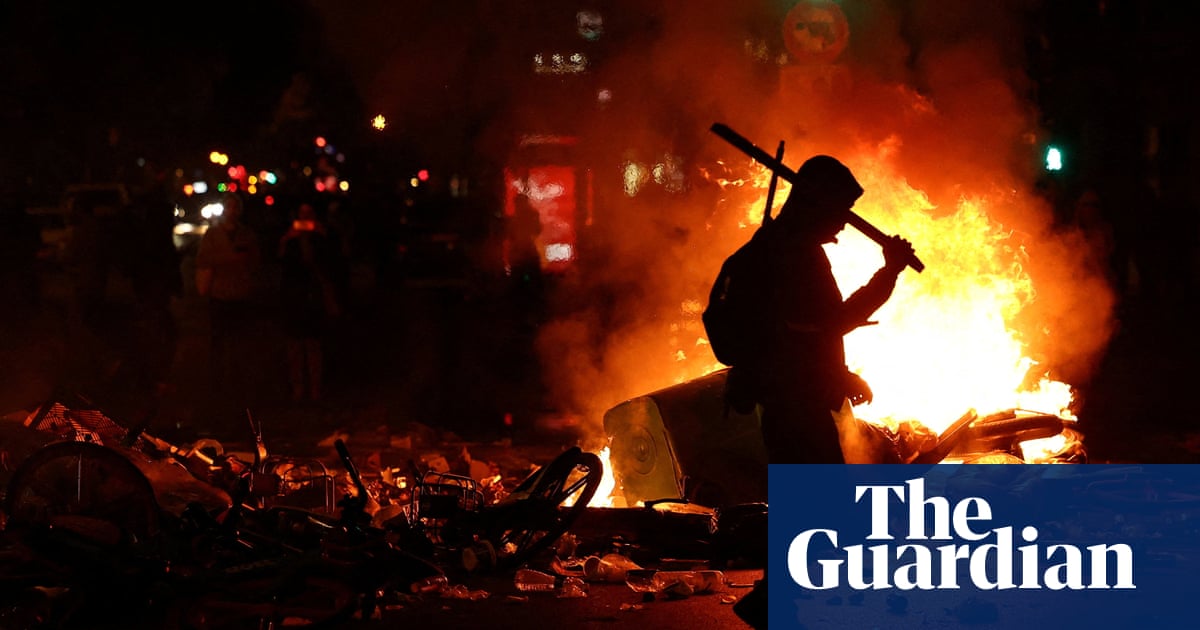
Italian Prime Minister Giorgia Meloni is preparing to hold an emergency security meeting on Monday, responding to a weekend of violent confrontations that erupted in Milan and spread to other northern cities. The disturbances began as demonstrations against the rising cost of living but quickly devolved into clashes between police forces and protesters. Authorities report that more than five thousand people gathered over the weekend, with tensions escalating when demonstrators, many wearing masks, threw paving stones, trash bins, and chairs at law enforcement officers.
In response to the aggression, police deployed tear gas and water cannons to restore order. The violence resulted in injuries to both civilians and police personnel, according to Italian media reports. More than two hundred people were detained across the weekend. Notably, data from the Italian news agency Ansa indicates that eighty percent of those arrested were minors, highlighting the significant youth presence in the unrest. The city’s prosecutor’s office has already requested prison sentences for five adults accused of looting, vandalism, and resisting arrest.
Meloni characterized the events as a deliberate attempt by hooligans to exploit legitimate grievances and sow chaos. She emphasized that while demonstrating is a fundamental right, destroying cities is not. The prime minister called on her political opponents to issue unanimous condemnations of the rioting, arguing that any hesitation or ambiguity from opposition figures could be interpreted as justification for the violence. This appeal comes as Meloni faces an election next year, making public order and stability central themes in her administration’s narrative.
Opposition leaders have responded with caution, seeking to distinguish between violent acts and peaceful protest. Elly Schlein, leader of the Democratic Party, stated that her party consistently condemns violence but warned against using the riots to silence the voices of citizens struggling with economic hardship. She argued that the unrest should not be leveraged to stifle legitimate expressions of discontent regarding the cost of living crisis affecting many Italians.
Local officials in Milan have expressed concern over the nature of the disturbances. Mayor Giuseppe Sala described the events as a new phenomenon that appears to originate from an international scenario and feeds upon itself. He reported witnessing smashed shop windows, looted stores, and frightened citizens, drawing parallels to unrest seen in other cities around the world. The violence was not confined to Milan; clashes also occurred in Turin, where individuals were detained for carrying cobblestones and window-breaking hammers, and in Bologna, where a train station was closed as a precautionary measure due to similar disorder.
The protests in Italy follow anti-government demonstrations held by students in various cities on Friday. These events echo a broader wave of unrest across Europe, including significant disturbances in France, Spain, and Albania. In France, hundreds of thousands took to the streets, with some protests turning into riots and looting, leaving burnt-out cars and shattered glass in their wake. This transnational pattern has raised questions among policymakers about whether these movements are isolated incidents or part of a coordinated strategy to challenge government authority.
The economic context remains a critical driver of the unrest. Rising living costs have strained households across Italy, fueling frustration with current government policies. While the initial protests were largely peaceful and youth-led, the infiltration of violent elements has complicated the political response. Authorities are now tasked with balancing the need to maintain public safety with the imperative to address underlying economic grievances that sparked the demonstrations in the first place.
As the emergency meeting proceeds, the focus will likely shift toward long-term strategies for managing civil unrest and addressing the root causes of social discontent. The government faces the challenge of preventing further escalation while ensuring that legitimate concerns about inflation and affordability are not dismissed. The outcome of these discussions could influence how Italian authorities handle future protests and shape the political landscape ahead of next year’s election.
International observers are watching closely to see if the unrest in Italy will subside or continue to mirror the volatile patterns seen elsewhere in Europe. The interplay between local economic pressures and global trends in civil disobedience presents a complex puzzle for policymakers. Whether the current wave of protests represents a temporary outburst or a sustained movement remains uncertain, but its impact on public perception and political stability is already evident.
In the immediate aftermath, cleanup efforts are underway in affected areas, with businesses assessing damages and residents returning to daily routines under heightened security measures. The incident underscores the fragility of social cohesion in times of economic stress and the difficulty of distinguishing between legitimate protest and criminal activity. As Italy navigates this period of tension, the government’s ability to respond effectively will be tested by both domestic critics and international observers.
Sources behind this briefing
Go to the original reporting
- BBC World↗Italian PM Meloni to hold emergency meeting after weekend of violent clashes